Discover Uluru: What to Do and See
4 activities · Australia
Discover Uluru: What to Do and See
Uluru, a massive sandstone monolith, stands as a significant natural and cultural landmark in Australia's Northern Territory. Located in the heart of the continent, this sacred site offers a profound connection to the land and its ancient Indigenous heritage. The sheer scale and changing colours of Uluru, especially at sunrise and sunset, create a captivating spectacle.
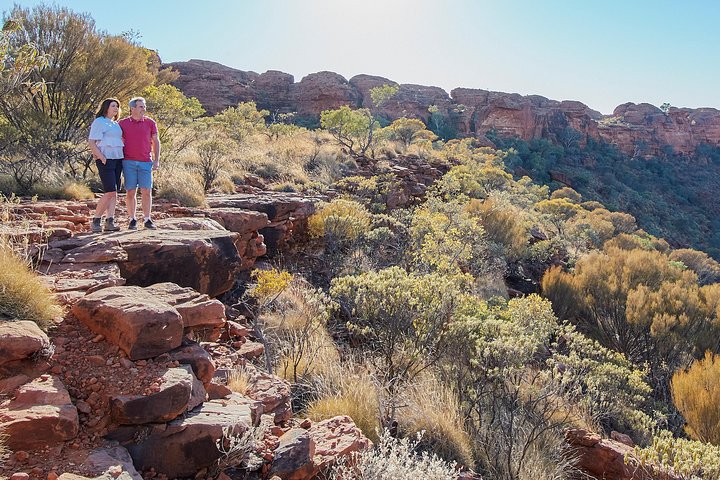
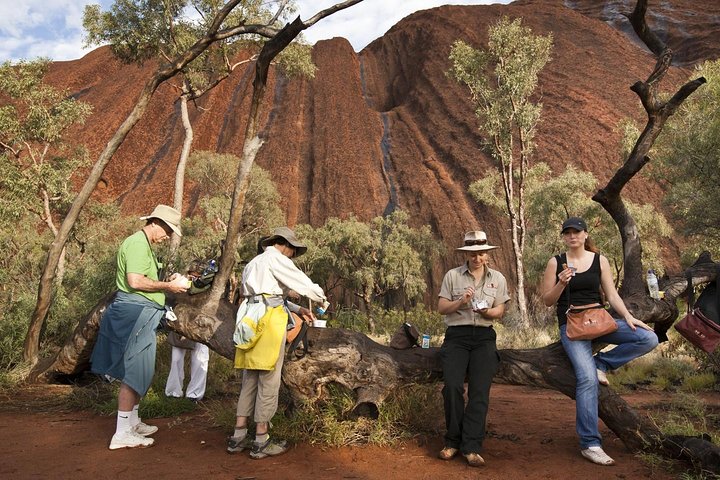
Visitors can explore the base of Uluru through guided walks or self-guided tours, learning about the Anangu people's deep spiritual connection to this place. The surrounding landscape, part of the Uluru-Kata Tjuta National Park, is rich with unique flora and fauna adapted to the arid environment.
Experiencing Uluru involves immersing yourself in its unique atmosphere. Whether you're interested in cultural insights, natural beauty, or simply witnessing the grandeur of this geological marvel, Uluru provides a memorable journey. Consider guided excursions to gain deeper understanding and access to special viewpoints.
01Activities to book
The best experiences in Uluru
 Top pick
 Free cancellation
 Selling fast
 -20%
Uluru: good to know
- Elevation
- 863 m
- Currency
- Australian dollar
- Official language
- English
- Driving
- on the left
- Power plugs
- I · 230 V
- Emergency number
- 000
- Capital city
- Canberra
- 31°Jan
- 30°Feb
- 27°Mar
- 22°Apr
- 16°May
- 12°Jun
- 12°Jul
- 15°Aug
- 20°Sept
- 24°Oct
- 27°Nov
- 29°Dec
Sources: Wikidata; climate: NASA POWER, 2001-2025 averages.
Frequently asked questions about Uluru
What to do when visiting Uluru?
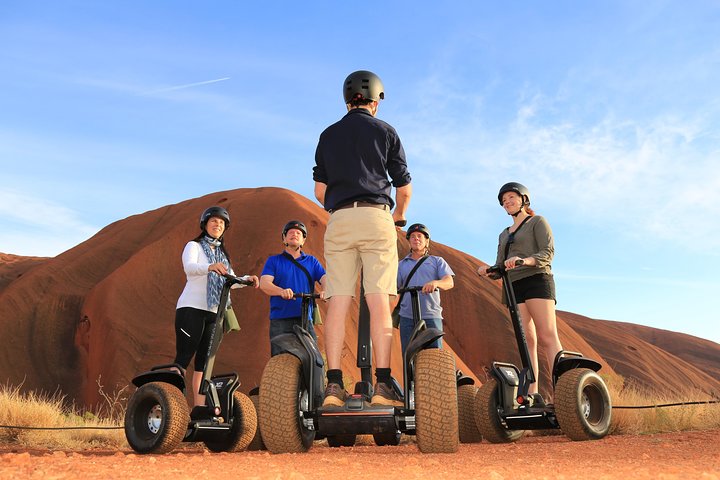
When visiting Uluru, you can explore its base on foot, take a Segway tour, or join guided walks to learn about its cultural significance. Witnessing sunrise and sunset over the monolith is a popular activity.
What are the best Uluru tours?
Various tours are available, including day trips from nearby towns and longer itineraries. These often include guided walks, cultural information, and opportunities to see Uluru and the surrounding Kata Tjuta.
What to see in Uluru?
The main attraction is Uluru itself, a massive sandstone rock formation. The surrounding national park also features the domes of Kata Tjuta, unique desert landscapes, and opportunities to learn about Anangu culture.
What to do in Uluru for 3 days?
A 3-day itinerary in Uluru could include exploring the base of the rock, visiting Kata Tjuta, experiencing sunrise and sunset, and engaging with cultural activities or ranger-led programs.
Is Uluru worth visiting?
Uluru is widely considered a worthwhile destination for its immense natural beauty, spiritual significance, and cultural importance. It offers a unique perspective on Australia's landscape and Indigenous heritage.