Royal Albatross - Sunset Sail Cruise with 5-Course Seated Dinner
15 activities · Singapore
Singapore, Singapore, has 15 activities, tours and experiences to book. Also worth exploring nearby: Sentosa Island.
01Activities to book
The best experiences in Singapore
 Top pick
 Private tour
 Top pick
 Top pick
 Free cancellation
 Top pick
 Top pick
 Top pick
 Top pick
 Top pick
 Private tour
 Top pick
All activities · Singapore · 15
- 6 Hours - Private Singapore Tour by Car or Minibus with Driver
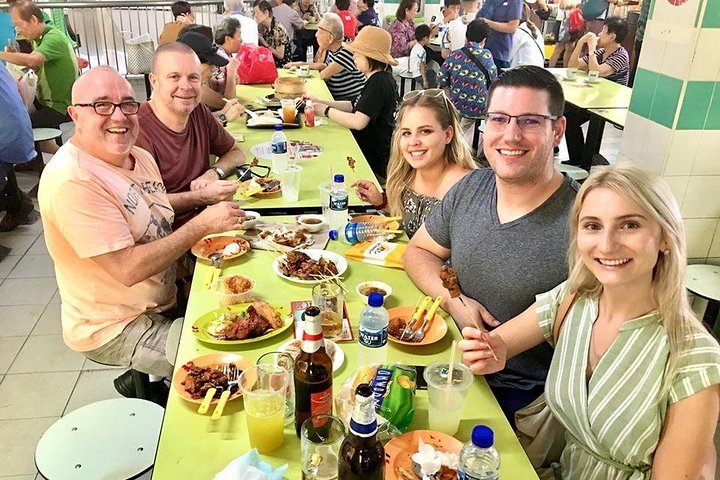
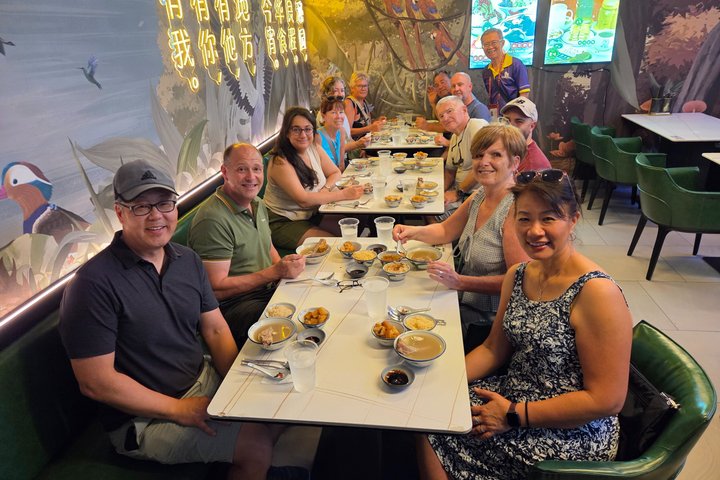
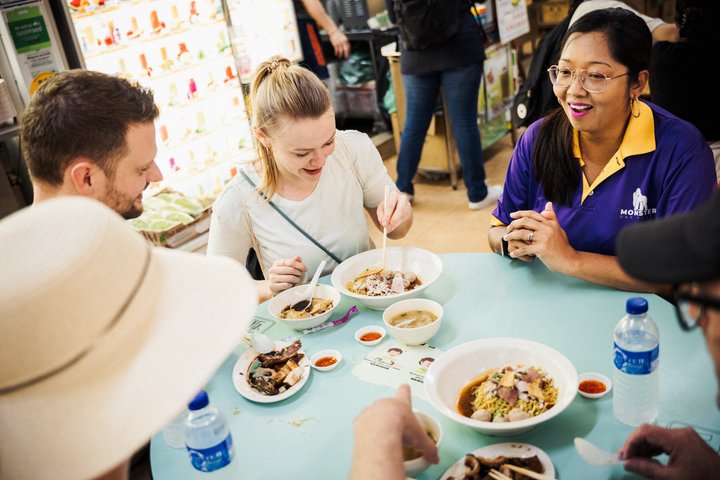
- Authentic Singapore Street Food Tour
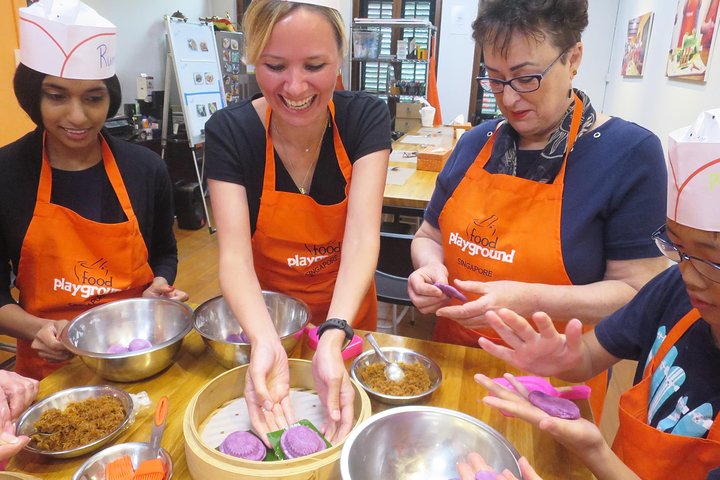
- Experience Singapore: Cultural Cooking Class
- Lion City Bike Tour of Singapore
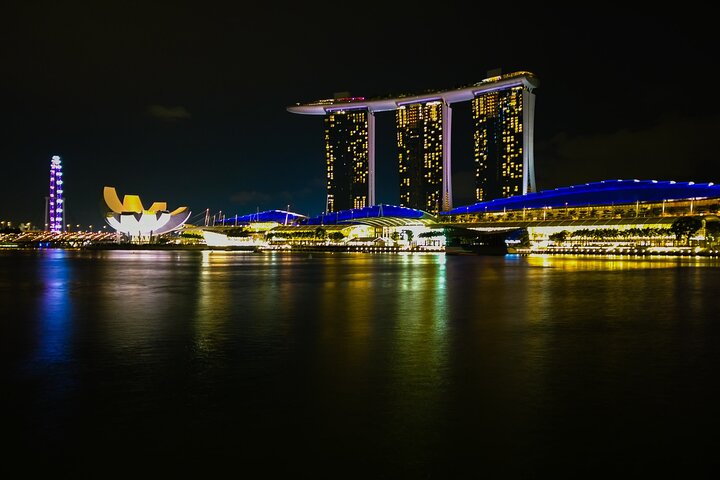
- Private Tour: Nighttime Sightseeing with River Cruise
- Royal Albatross - Sunset Sail Cruise with 5-Course Seated Dinner
- Singapore Highlights Small Group Bike Tour on Full-Sized Bicycles
- Singapore River Cruise and 2 Must-see Water Light Shows
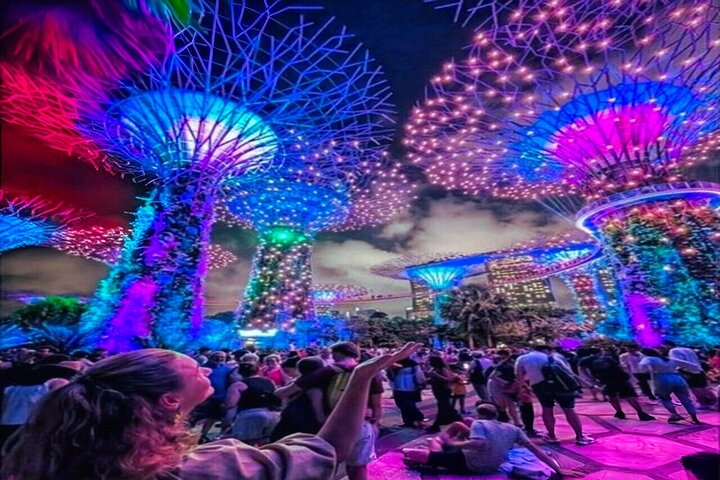
- Singapore River Cruise, Night Garden Rhapsody & Spectra by CYT
- Singapore Your Way: Iconic Sights & Local Neighborhoods Tour
- Singapore: Chinese, Indian & Arabic Quarters, Culture & Food Tour
- Singapore: UNESCO Street Food & Cultural Experience
- Small Group: Michelin and Local Hawker Food Tour with 9 tastings
- Small Group: Singapore Street Food & Night Tour with 9 tastings
- The Award-Winning PRIVATE Food Tour: 10 Tastings of 3 Cultures
02On the water
Boats & cruises in Singapore
Free cancellationTop pickTop pick03Categories
Guided tours in Singapore
04Categories
Food & Drink in Singapore
Top pick Private tour
 Top pick
05Explore nearby
Nearby cities
Frequently asked questions about Singapore
What is there to do in Singapore?
Singapore has 15 activities, tours and day trips you can book online. Among the most booked: « Authentic Singapore Street Food Tour », « 6 Hours - Private Singapore Tour by Car or Minibus with Driver », « Singapore Your Way: Iconic Sights & Local Neighborhoods Tour ».
What are the top-rated activities in Singapore?
According to traveller reviews: « Lion City Bike Tour of Singapore » (5.0/5, 6,555 reviews) ; « Singapore: Chinese, Indian & Arabic Quarters, Culture & Food Tour » (5.0/5, 941 reviews) ; « Singapore: UNESCO Street Food & Cultural Experience » (5.0/5, 552 reviews).
Can you cancel an activity in Singapore for free?
Usually, yes: 15 of the 15 most popular activities in Singapore offer free cancellation. The exact terms are shown on each activity page before you book.