Tokyo Customized Private Tour in 1 Day with Licensed Guide
55 activities · Japan
Tokyo, Japan, has 55 activities, tours and experiences to book. Also worth exploring nearby: Ginza, Asakusa, Kawasaki.
01Activities to book
The best experiences in Tokyo
 Private tour
 Top pick
 Top pick
 Selling fast
 Selling fast
 Free cancellation
 Top pick
 -10%
 -5%
 Free cancellation
 Private tour
 Top pick
All activities · Tokyo · 55
- 1-Day Tokyo Bus Tour
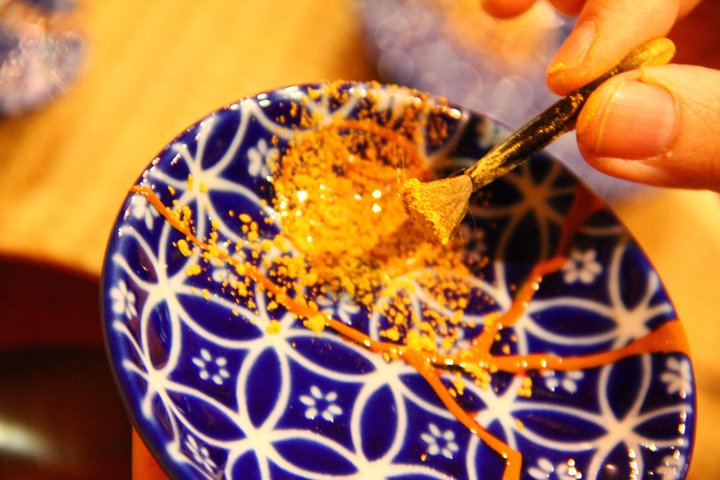
- Authentic Kintsugi Workshop: Art of Golden Joinery in Tokyo
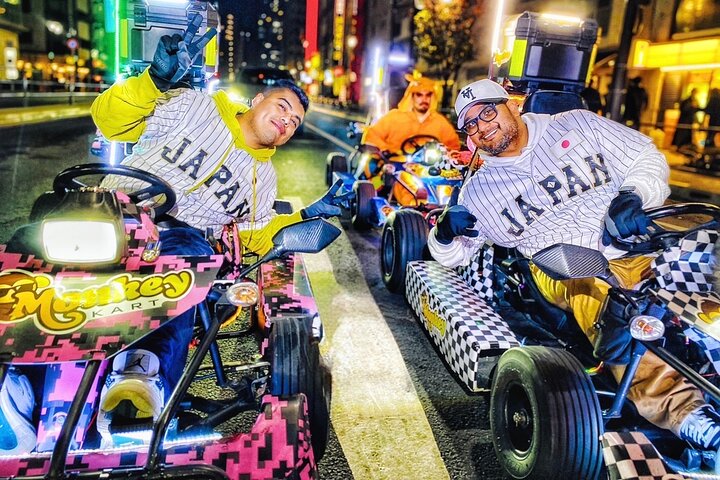
- Best Go Kart Experience in Shibuya Crossing with Iconic Photos
- Best Samurai Experience in Tokyo
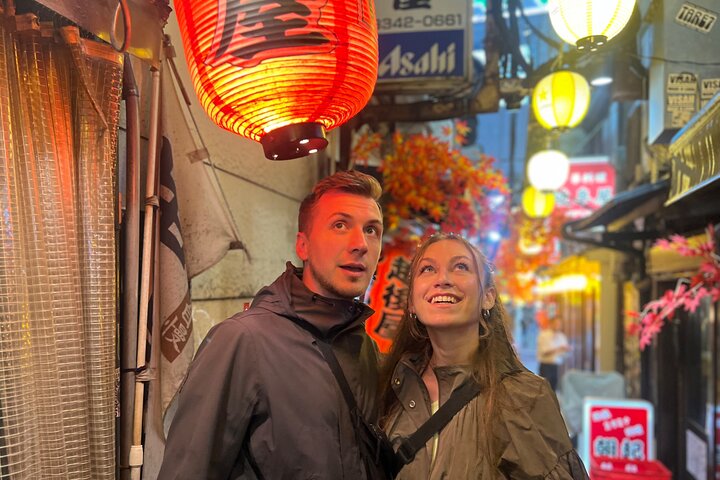
- Best of Shinjuku: Izakaya Food Tour (3-4 Stops, 14+ Tastings)
- Best of Tokyo Private Custom Tour: Tsukiji, Asakusa & Meiji-jingu
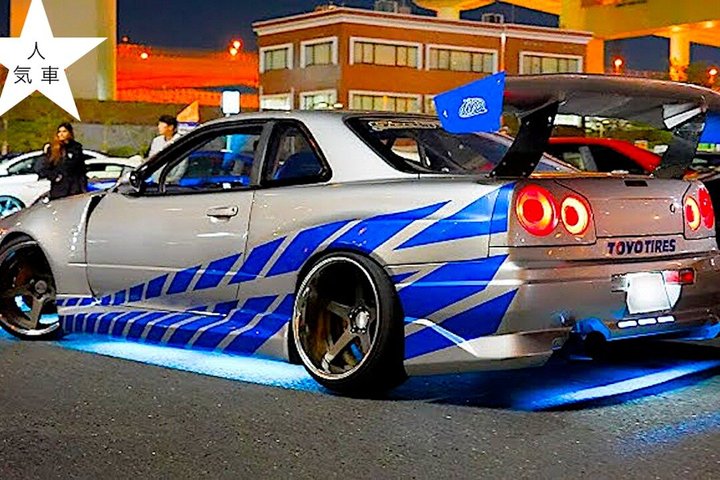
- Fast and Furious Tokyo Drift Experience Ride JDM
- Haneda Airport (HND) Private Transfer to Central Tokyo
- Mount Fuji Full Day Sightseeing Tour from Tokyo
- Mount Fuji Private Luxury Customized Tour With Hotel Pick Up
- Mt Fuji Hakone Tour from Tokyo: Cable Car and Cruise Option
- Mt Fuji Hidden Gem Custom Car Tour with Licensed Guide & Driver
- Mt Fuji and Hakone 1-Day Bus Tour Return by Bullet Train
- Mt Fuji and Hakone 1-Day Bus Tour Return by Bus
- Mt. Fuji Day Trip from Tokyo with English Speaking Driver Guide
- Official Street Go-Kart Tour - Akihabara
- Official Street Go-Kart Tour in Tokyo - 2 Hours
- Official Street Go-Kart in Shibuya
- Private Tokyo Tour with English Speaking Driver and Hotel Pickup
- Private Tokyo Tour: Local Guide, Custom Stops & Hidden Gems
- Private Tour to Mt. Fuji and Hakone (Fully Licensed Operator)
- Private and Customizable Tokyo Tour with English-Speaking Driver
- Ramen & Gyoza Cooking Class in Tokyo with Local Supermarket Visit
- Shibuya Official Street Go-Kart in Shibuya Annex
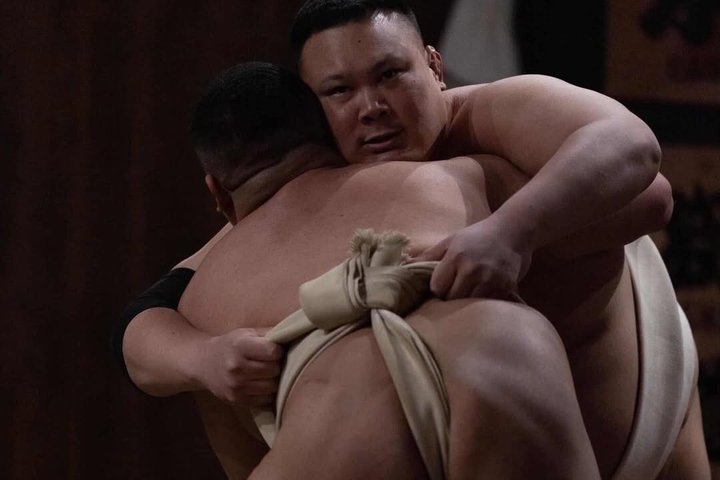
- Shibuya Sumo Show with Drink and Photo in Tokyo
- Shinjuku Food Tour in Tokyo Local Eateries
- Shinjuku: Food Tour – 15 Dishes at 4 Eateries
- The SUMO Show - Sumo & Dining Experience at Dosukoi Tanaka Tokyo
- Tokyo Bar Hopping in Shinjuku: Free-flow, Full Dinner, Golden Gai
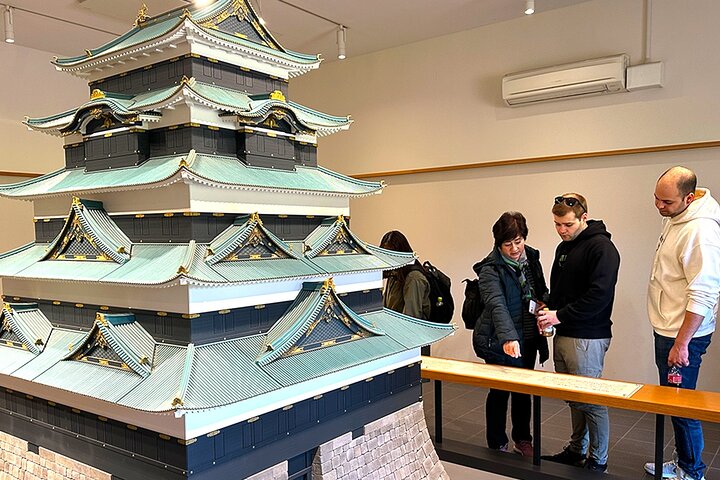
- Tokyo Castle & Imperial Palace - Shogun Walking Tour
- Tokyo Customized Half-Day Tour with Licensed Local Guide
- Tokyo Customized Private Tour (Must See Places in 1 Day)
- Tokyo Customized Private Tour in 1 Day with Licensed Guide
- Tokyo Customized Private Tour: See Top Attractions in 1 Day
- Tokyo Go Kart Tour: Asakusa, Skytree & Akihabara - IDP Required
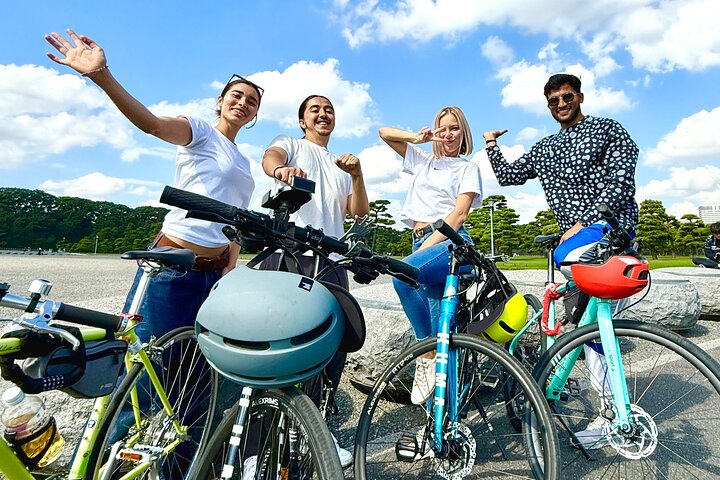
- Tokyo Highlights & Local Life E-Bike Tour - Small Group 3-Hour
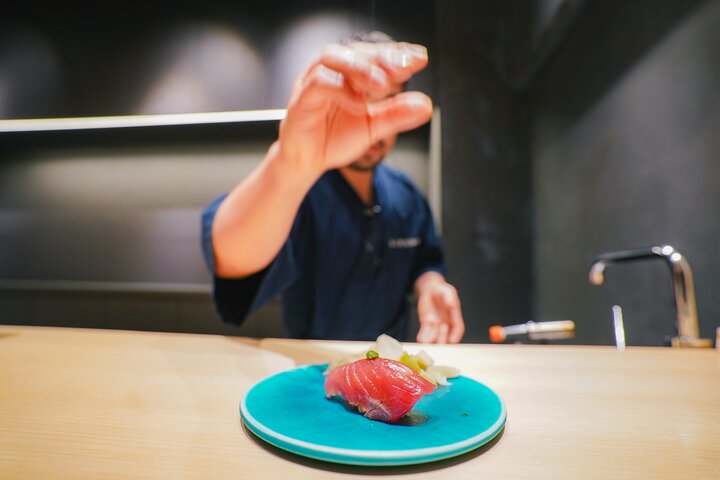
- Tokyo Omakase Sushi & A5 Wagyu Premium Foodie Tour in Shinjuku
- Tokyo Private Day Trip - Enjoy Your First-Time Visit to Tokyo!
- Tokyo Private Tour - Luxury Vehicle - English Speaking Chauffeur
- Tokyo Shinjuku Chopsticks Making Class
- Tokyo Shinjuku Food Tour – 15 Dishes at 4 Eateries
- Tokyo Shinjuku Sumo Show & Experience with Photo
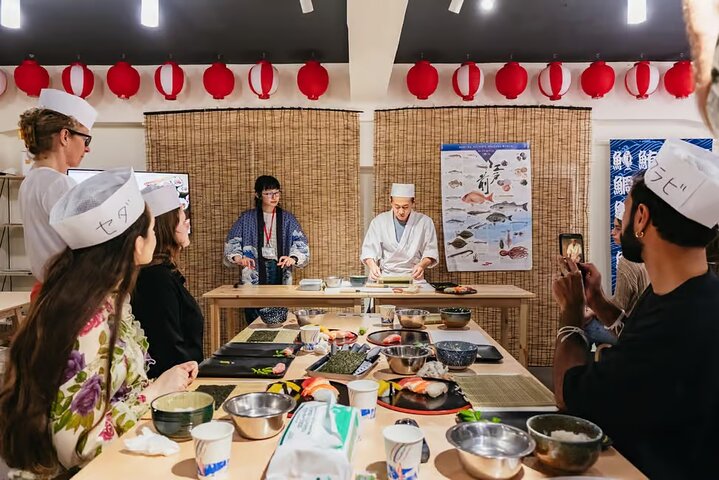
- Tokyo Sushi Making Class in Tsukiji with Professional Chef
- Tokyo Top Highlights 3h Guided E-Bike Tour
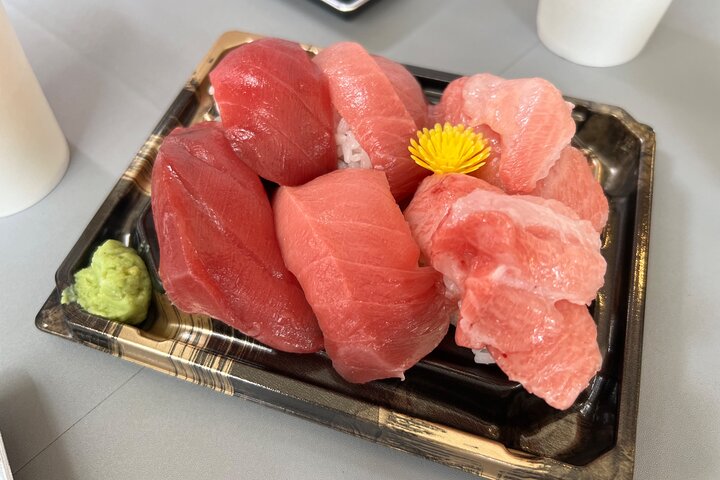
- Tokyo Tsukiji Fish Market Food Walking Tour with 5 Tastings
- Tokyo Tsukiji Fish Market Tour & Sushi Making Class with Pro Chef
- Tokyo Yakatabune Cruise: 400yr Edo Tradition & Odaiba Route
- Tokyo ⇆ Narita Airport (NRT) Private Transfer One-Way/Roundtrip
- Tokyo: 3-Hour Bike/E-Bike Tour of the City's Highlights
- Tokyo: Imperial Palace and Shogun Historical Walking Tour
- Tokyo: Mt. Fuji Cruise & Hakone Ropeway Day Trip by Bus
- Tokyo: Shibuya Food Tour (13 dishes and 3 Eateries)
- Tokyo: Tsukiji Fish Market Food and Walking Tour
- Tsukiji Fish Market: Behind the Scenes & 10 Seafood Tastings
- Ultimate Sumo Tournament Experience in Japan
02Complete your day
More to do in Tokyo
 Top pick
 Free cancellation
 Top pick
 Top pick
 Private tour
 Top pick
03Shows & Nightlife
Your nights out in Tokyo
 Top pick
 Top pick
04Categories
Guided tours in Tokyo
Top pickSelling fastTop pick-5%Top pick Top pick
05Categories
Private tours in Tokyo
Private tour Deal
 Top pick
 Top pick
 Top pick
 Top pick
06Categories
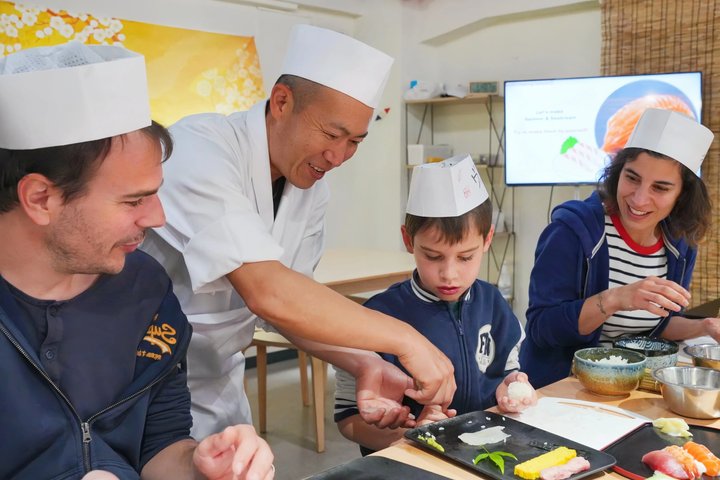
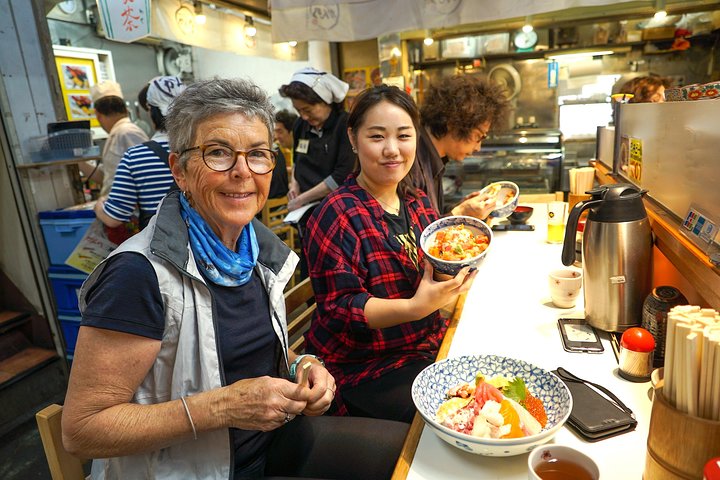
Food & Drink in Tokyo
 Top pick
 Top pick
 Top pick
 Top pickTop pick
 Top pick
07Categories
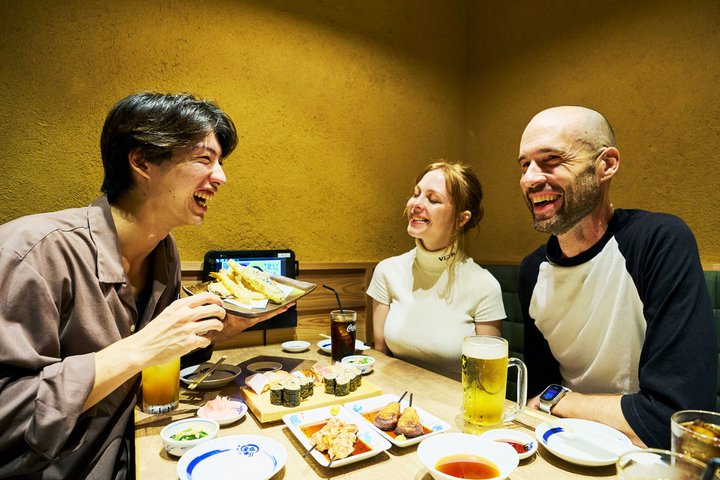
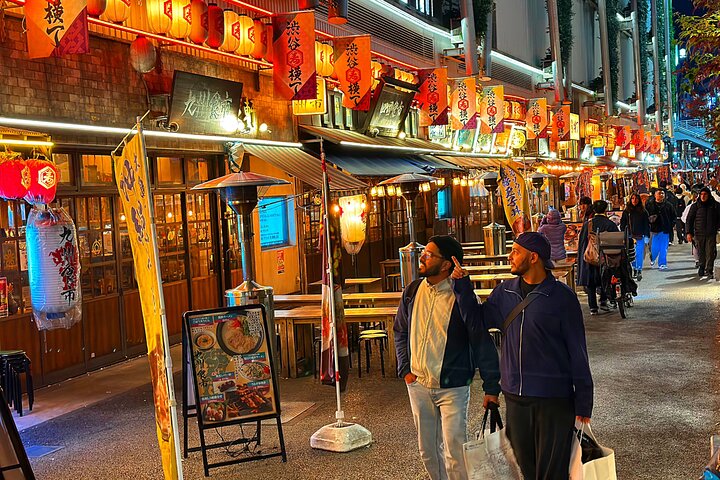
Food tours in Tokyo
 Top pick
 Top pick
 Top pick
08Categories
Day trips in Tokyo
Top pick Free cancellation
 -10%
09Categories
Walking tours in Tokyo
 Top pick
 Top pick
 Top pick
10Explore nearby
Nearby cities
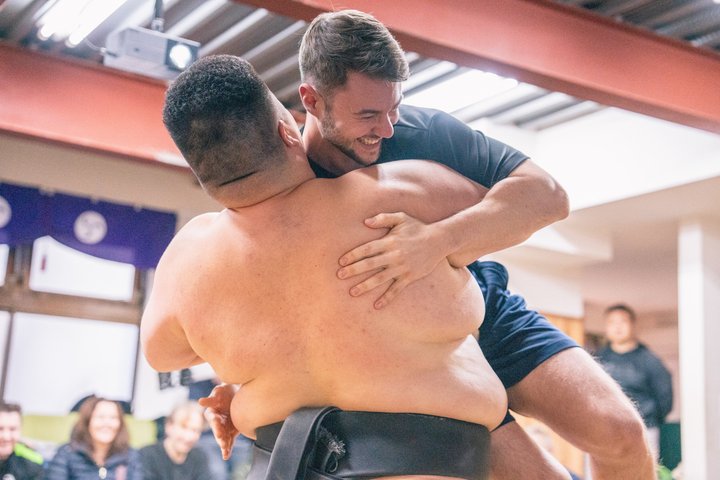
Trending
Popular activities
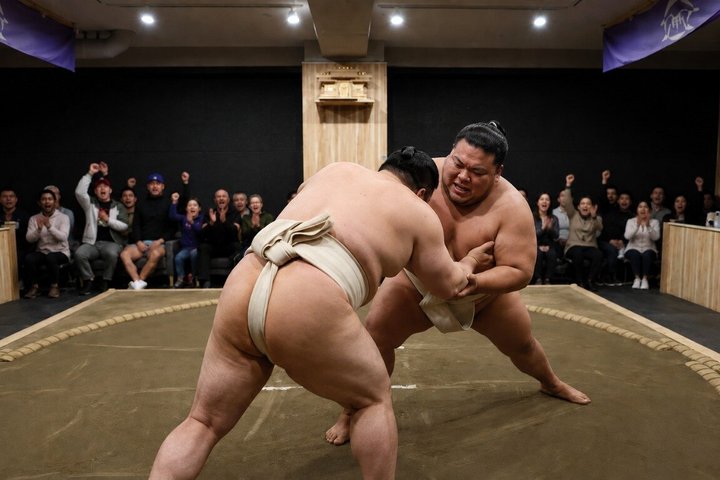 Top pick
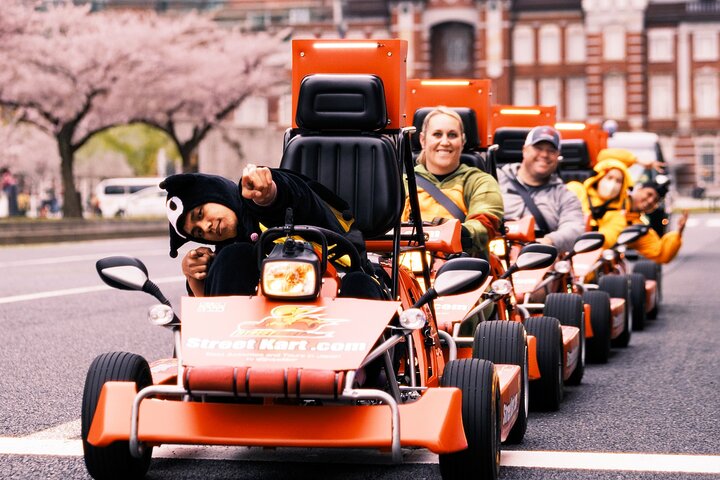 -15%
 Top pickTop pick
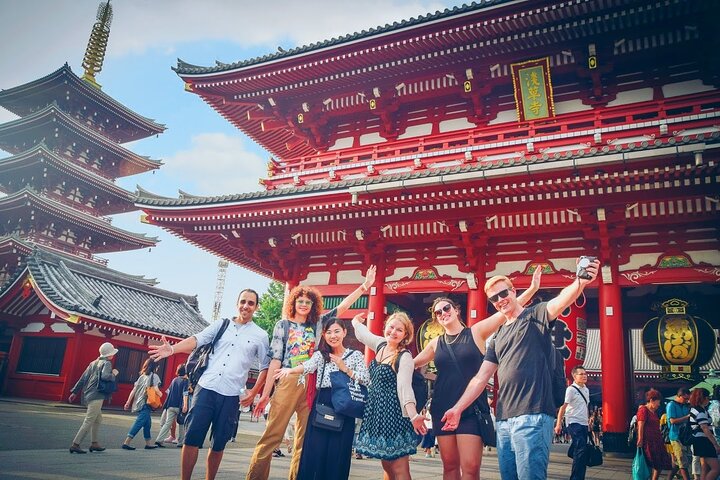 Top pick
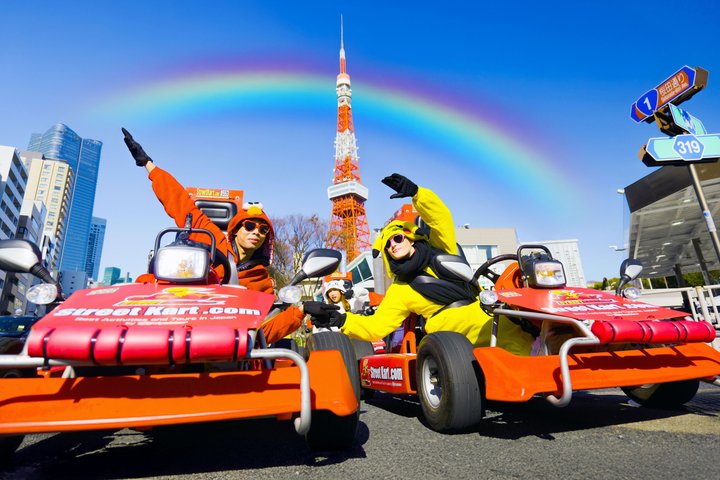 Selling fast
Plan your trip
- Guide · 7 min readFive things to do in Tokyo, from sumo to sushiFive experiences of 1 to 3 hours are compared: a sumo show, costumed go-karting, a sushi class, a chopstick workshop and a food tour of Shinjuku. Here is which to choose by age, license and appetite.
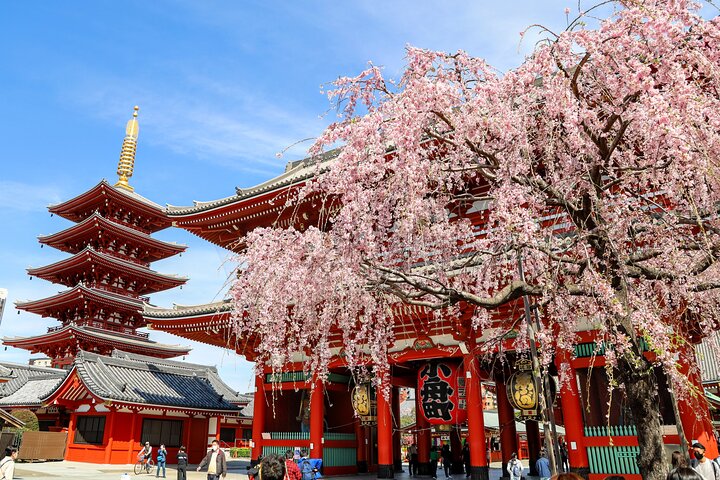 Guide · 7 min readTokyo in one day, by bus or with a guideTwo options for seeing Tokyo in one day. One is a 9 to 10 hour bus tour with Skytree and a cruise, the other a private 4 to 8 hour walking tour. Itineraries, meals, meeting points and profiles compared.
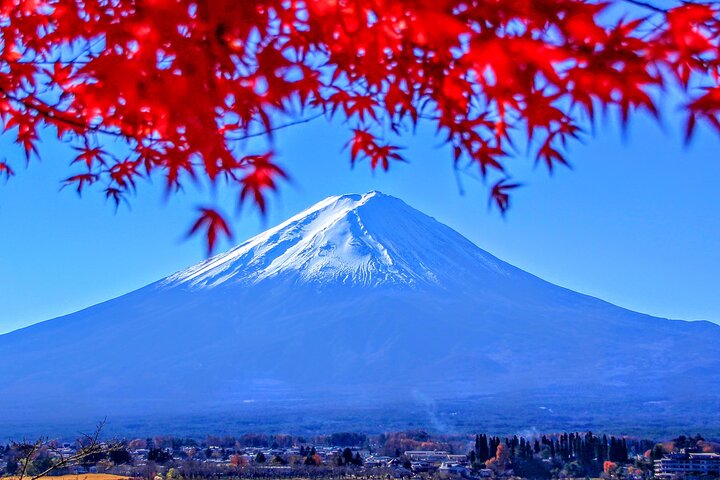 Guide · 4 min readMount Fuji and Hakone from Tokyo in one dayA coach in the morning to Fuji's 5th Station, the ropeway and Lake Ashi in the afternoon, the Shinkansen to get back: here is how the day unfolds and what to know before booking.
Frequently asked questions about Tokyo
What is there to do in Tokyo?
Tokyo has 55 activities, tours and day trips you can book online. Among the most booked: « Mount Fuji Private Luxury Customized Tour With Hotel Pick Up », « Tokyo: Mt. Fuji Cruise & Hakone Ropeway Day Trip by Bus », « Private Tokyo Tour with English Speaking Driver and Hotel Pickup ».
What are the top-rated activities in Tokyo?
According to traveller reviews: « Best of Shinjuku: Izakaya Food Tour (3-4 Stops, 14+ Tastings) » (5.0/5, 3,633 reviews) ; « Tokyo Sushi Making Class in Tsukiji with Professional Chef » (5.0/5, 1,516 reviews) ; « Tokyo Shinjuku Chopsticks Making Class » (5.0/5, 5,867 reviews).
Can you cancel an activity in Tokyo for free?
Usually, yes: 24 of the 24 most popular activities in Tokyo offer free cancellation. The exact terms are shown on each activity page before you book.
What is there to visit near Tokyo?
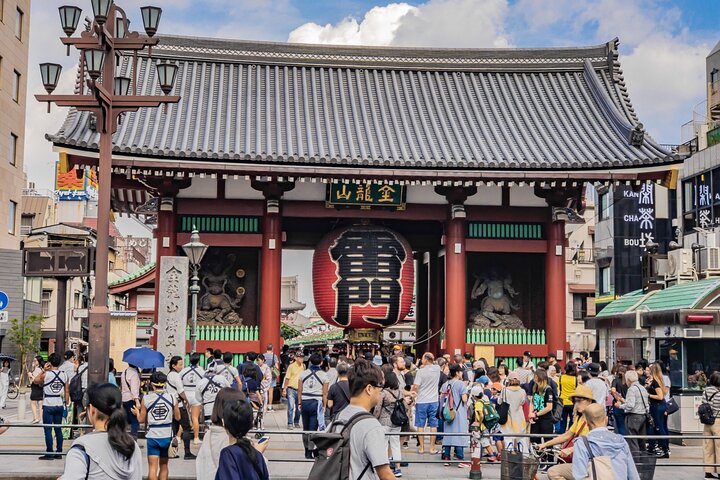
Close to Tokyo: Ginza, Asakusa, Kawasaki.