Istanbul Sunset Luxury Yacht Cruise Experience with Local Guide
52 activities · Turkey
Istanbul, Turkey, has 52 activities, tours and experiences to book.
01Activities to book
The best experiences in Istanbul
 Free cancellation
 Free cancellation
 Private tour
 Top pick
 Top pick
 Free cancellation
 Top pick
 Top pick
 Top pick
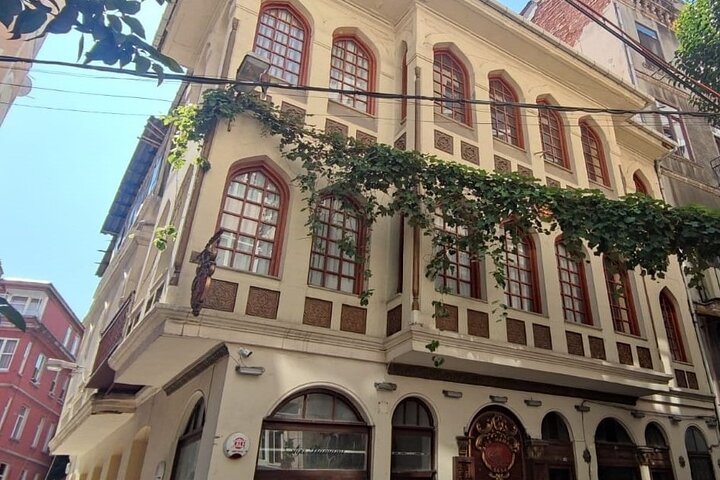 Free cancellation
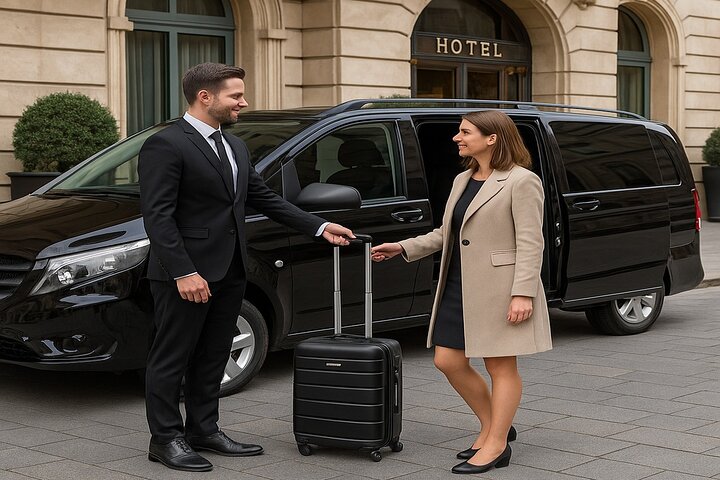 Private tour
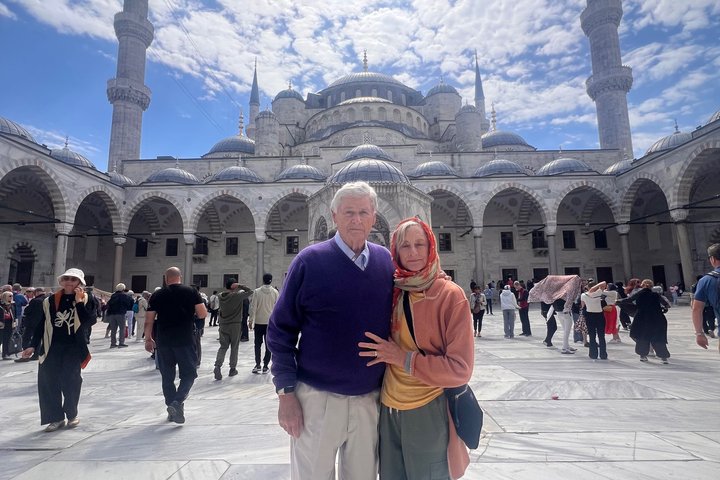 Top pick
All activities · Istanbul · 52
- Best Of Istanbul: 1, 2 or 3 Day Private Guided Tour
- Best of Istanbul: 1, 2, or 3-Day Private Guided Tour
- Bosphorus Cruise Boat Tour in Istanbul
- Bosphorus Evening Cruise: Dinner, Live Shows & Private Table
- Bosphorus Explorer: 2-Hour Cruise Throughout the Day
- Bosphorus Sightseeing Cruise Tour with Audio Guide
- Bosphorus Sunset Yacht Cruise with Snacks & Live Guide
- Butalux - Bosphorus Luxury Dinner Cruise
- Enjoy Istanbul’s Bosphorus: 2-Hour Daytime, Sunset & Night Cruises
- Half-Day Fener-Balat Walking Tour in Istanbul
- Historic Aga Hamami Turkish Bath Experience in Istanbul
- IST Airport Transportation @ Istanbul Hotels
- ISTANBUL BEST: Iconic Landmarks Full Day PRIVATE Guided City Tour
- ISTANBUL Full-Day PRIVATE Guided Tour; For the Top Historic Sites
- Istanbul Airport & Cruise Port Transfer – Direct Pickup VIP
- Istanbul Airport Private VIP Transfers Hotels and Cruise Port
- Istanbul Asia & Europe Tour with Bosphorus Cruise and Cable Car
- Istanbul Blue Mosque, Hagia Sophia & Cistern of Theodosius Tour
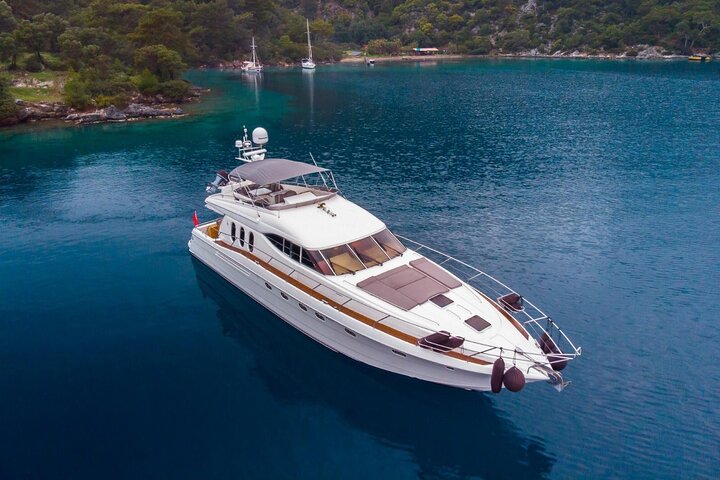
- Istanbul Bosphorus Cruise by Luxury Yacht with Asian Side Stop
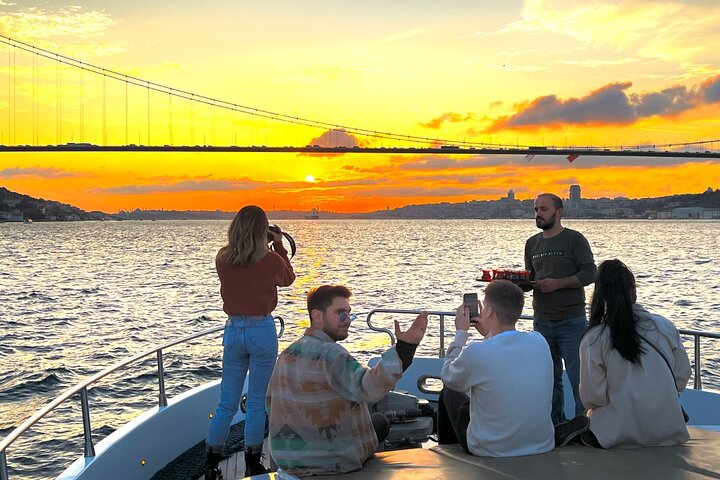
- Istanbul Bosphorus Luxury Sunset Yacht Cruise with Snacks & Guide
- Istanbul Bosphorus Sunset Cruise Experience on Luxury Yacht
- Istanbul Bosphorus Sunset Cruise by Luxury Yacht
- Istanbul Bosphorus Sunset Luxury Yacht Cruise with Snacks
- Istanbul Bosphorus Yacht Cruise with Guide and Asian Side Stop
- Istanbul Bosphorus Yacht Cruise with Live Guide & Asian Side Stop
- Istanbul E-pass: Top Istanbul Attractions with Skip The Ticket Line
- Istanbul Gedikpasa Historical Turkish Bath with Privacy Option
- Istanbul Hagia Sophia, Topkapi, Bosphorus Small-Group Tour
- Istanbul Highlights Private Tour with free pick up service
- Istanbul Highlights! Blue Mosque, Hagia Sophia, Topkapı and More
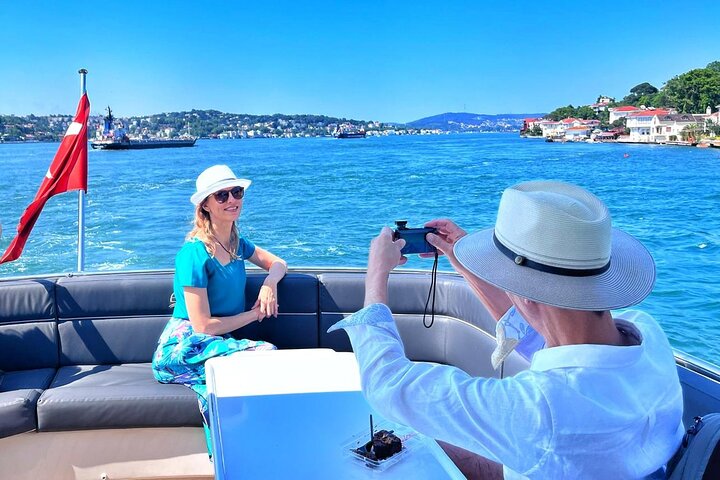
- Istanbul Luxury Bosphorus Yacht Cruise with Asian Side Stop
- Istanbul Mega Lufer Dinner Cruise Bosphorus and Show Pvt Table
- Istanbul Old City Tour: Hagia Sophia, Blue Mosque & Grand Bazaar
- Istanbul Party Pub Crawl with Party Bus in Sultanahmet and Taksim
- Istanbul Private Bosphorus Yacht Tour with Swimming or Guide Option
- Istanbul Private Transfer - IST Airport, Cruise Ports and Hotels
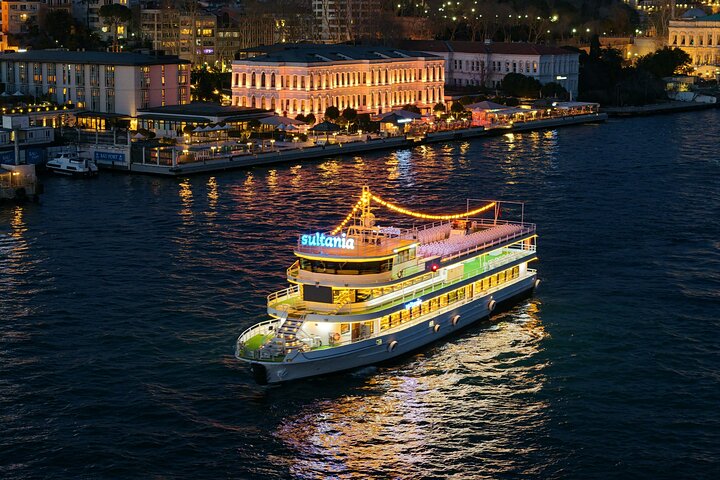
- Istanbul Sunset Luxury Yacht Cruise Experience with Local Guide
- Istanbul Taste of Two Continents Food Tour - Spice Market & Ferry
- Istanbul Traditional Turkish Dinner and Dervish Experience
- Istanbul to Gallipoli Full Day Tour with Lunch and Transfers
- Istanbul: Blue Mosque & Hagia Sophia Small-Group Tour with ticket
- Istanbul: Blue Mosque, Hagia Sophia & Sultanahmet Tour
- Istanbul: Turkish Mosaic Lamp Workshop in Galata – All Included
- Old Town Of Istanbul - Orientation Walking Tour
- Princess Island (Büyükada) Tour with Lunch and Island Shuttle Car
- Private Istanbul Airport (IST) Transfer To/From City Center
- Professional Airport Transfer Services in Istanbul
- Sunset Luxury Yacht Cruise with Live Guide & Snacks
- Topkapi Palace and Harem Tour (Small Group & Fast Track Entry)
- Turkish Food Night and Rooftop Experience Istanbul
- Two Markets, Two Continents with Culinary Backstreets
- WONDERS of ISTANBUL : Full Day Private Guided City Tour
02Complete your day
More to do in Istanbul
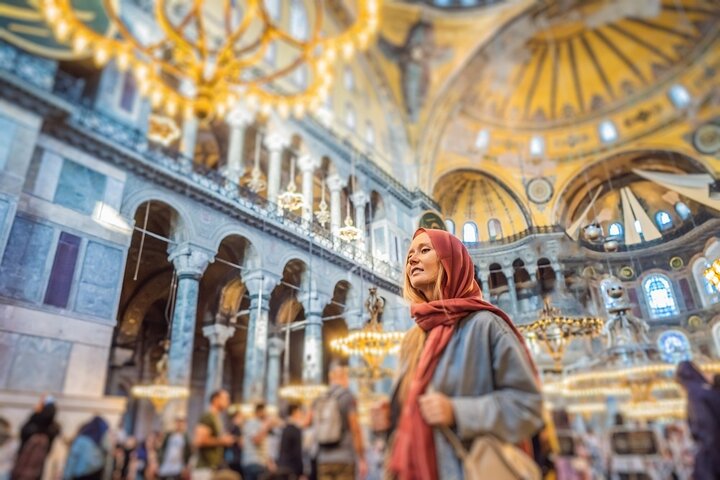 Free cancellation
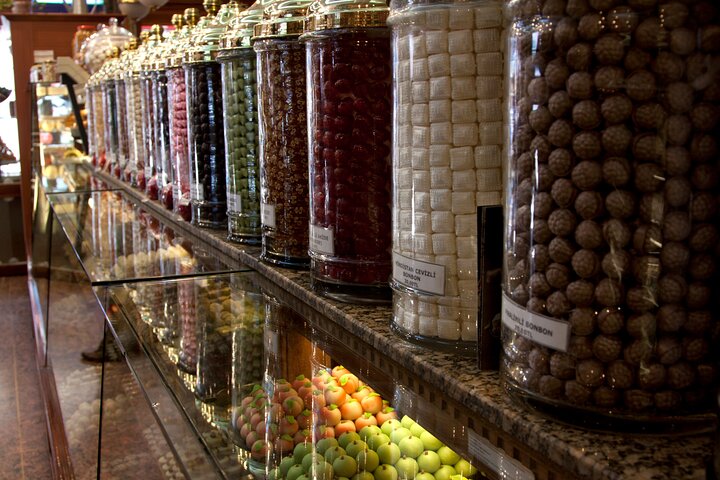 Top pick
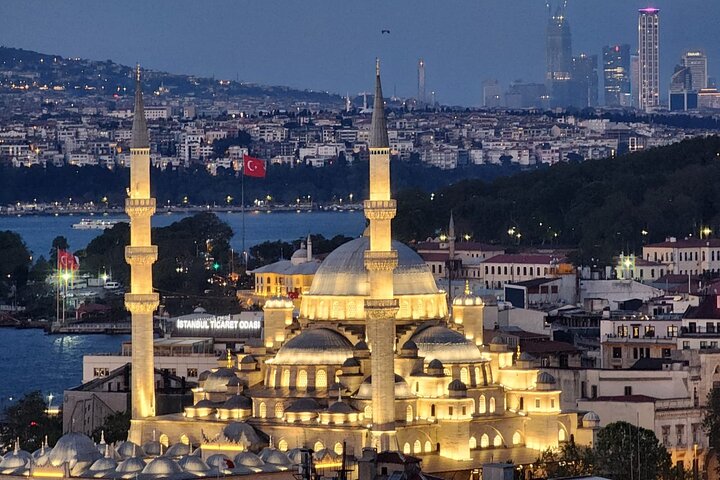 Deal
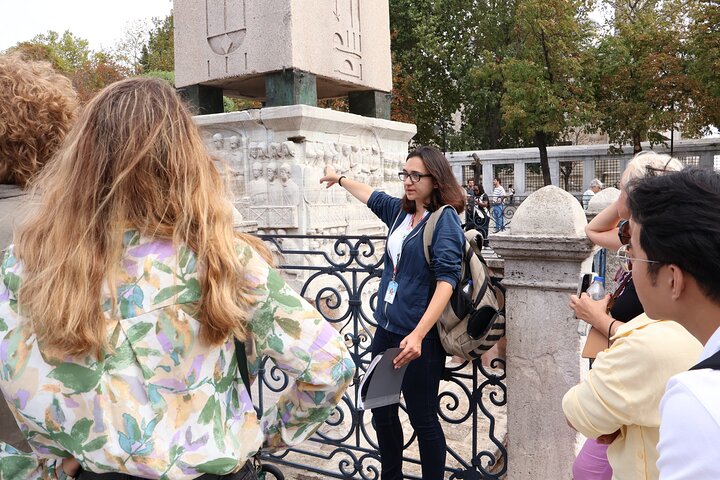 Top pick
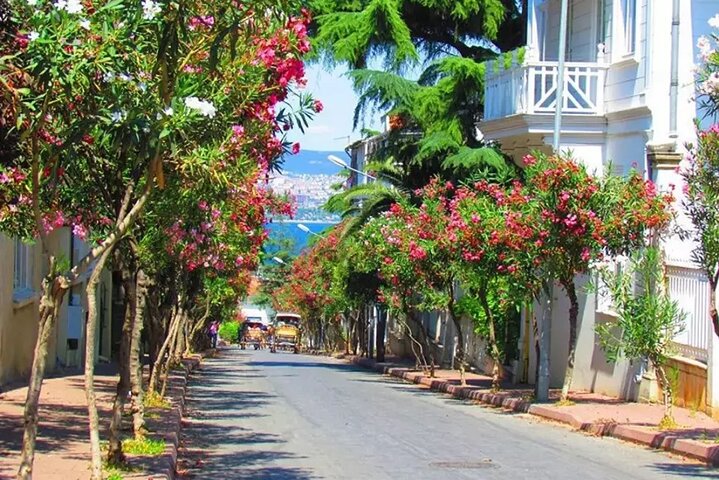 Top pick
 Top pick
03On the water
Boats & cruises in Istanbul
Free cancellationFree cancellation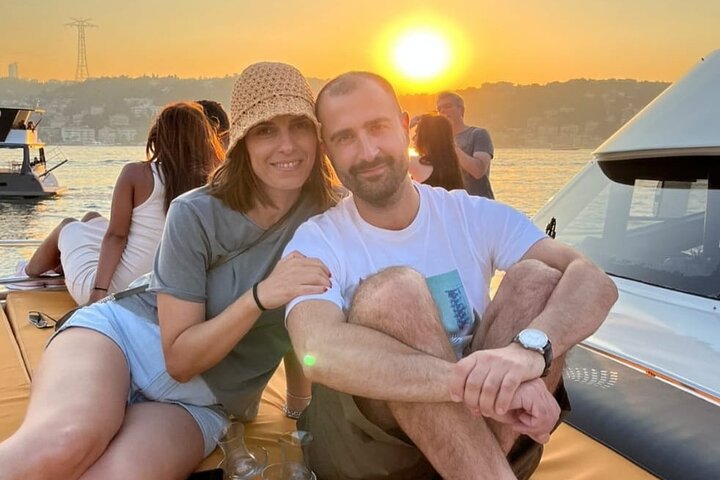 Top pick
 Top pick
 Top pick
 Top pick
04Categories
Guided tours in Istanbul
Free cancellationTop pickTop pickTop pickTop pickTop pick05Categories
Culture & History in Istanbul
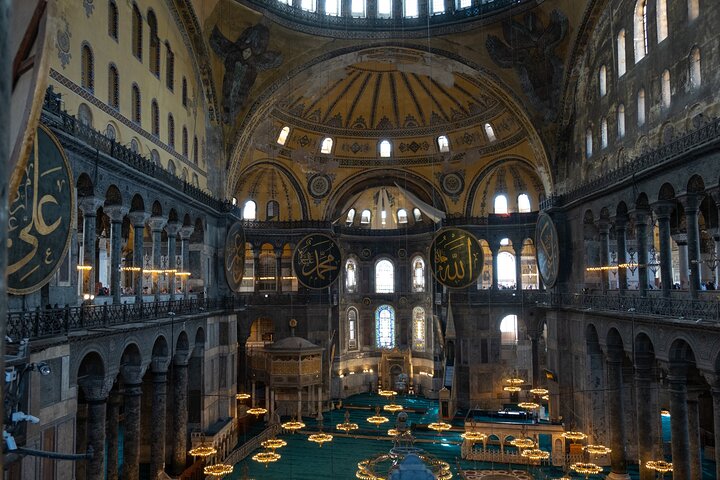 Free cancellationFree cancellationTop pick
06Categories
Romantic moments in Istanbul
Free cancellationTop pickTop pick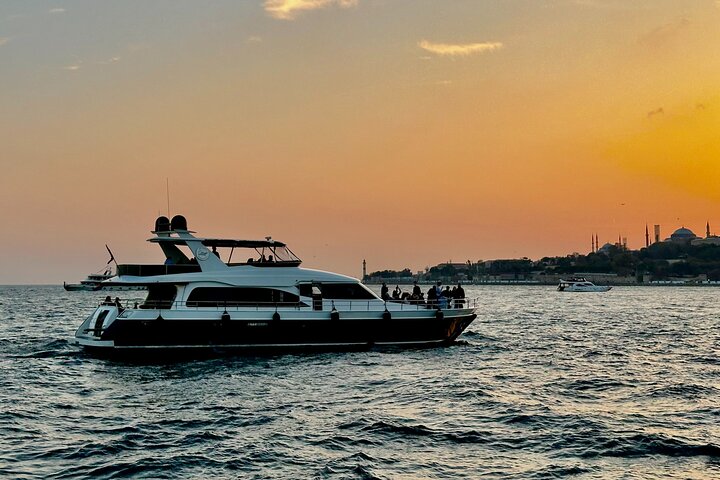 Top pick
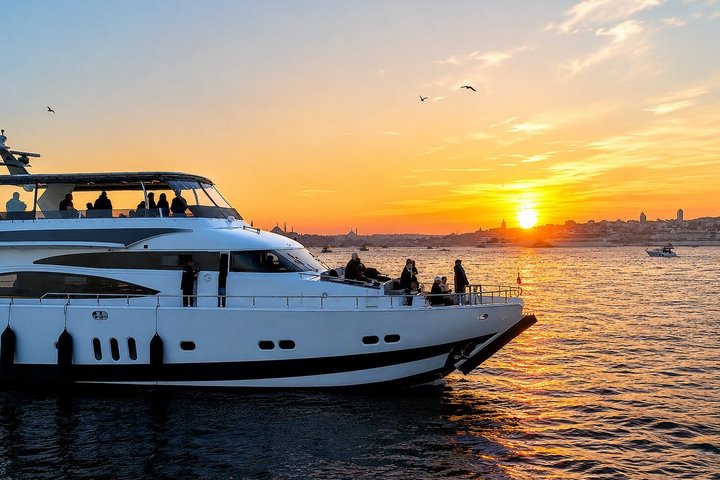 Top pick
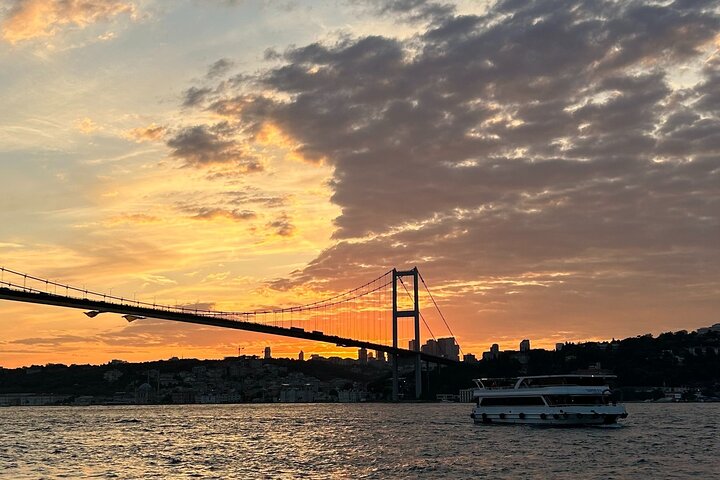
07Categories
Private tours in Istanbul
 -15%Top pick
 Top pick
08Categories
Food & Drink in Istanbul
 Top pickTop pickDeal
Trending
Popular activities
 Top pickTop pick
 Top pick
 Top pick
 Top pick
 Top pick
Plan your trip
Frequently asked questions about Istanbul
What is there to do in Istanbul?
Istanbul has 52 activities, tours and day trips you can book online. Among the most booked: « Istanbul Old City Tour: Hagia Sophia, Blue Mosque & Grand Bazaar », « Butalux - Bosphorus Luxury Dinner Cruise », « Private Istanbul Airport (IST) Transfer To/From City Center ».
What are the top-rated activities in Istanbul?
According to traveller reviews: « IST Airport Transportation @ Istanbul Hotels » (5.0/5, 374 reviews) ; « Istanbul Hagia Sophia, Topkapi, Bosphorus Small-Group Tour » (5.0/5, 573 reviews) ; « WONDERS of ISTANBUL : Full Day Private Guided City Tour » (5.0/5, 489 reviews).
Can you cancel an activity in Istanbul for free?
Usually, yes: 24 of the 24 most popular activities in Istanbul offer free cancellation. The exact terms are shown on each activity page before you book.