Welcome to Madrid Eco Tuk Tuk Private Tour with Local Guide
44 activities · Spain
Madrid, Spain, has 44 activities, tours and experiences to book. Also worth exploring nearby: Montserrat, Galicia, Toledo, Segovia.
01Activities to book
The best experiences in Madrid
 Free cancellation
 Free cancellation
 Top pick
 Private tour
 Top pick
 Top pick
 Free cancellation
 Top pick
 Top pick
 Top pick
 Top pick
 Top pick
All activities · Madrid · 44
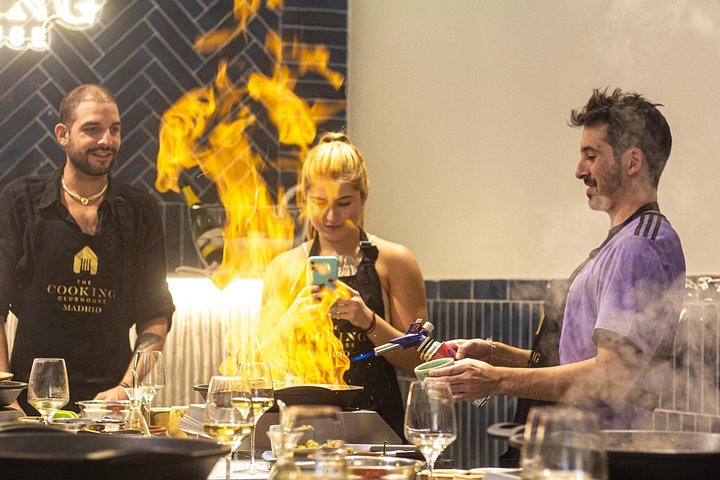
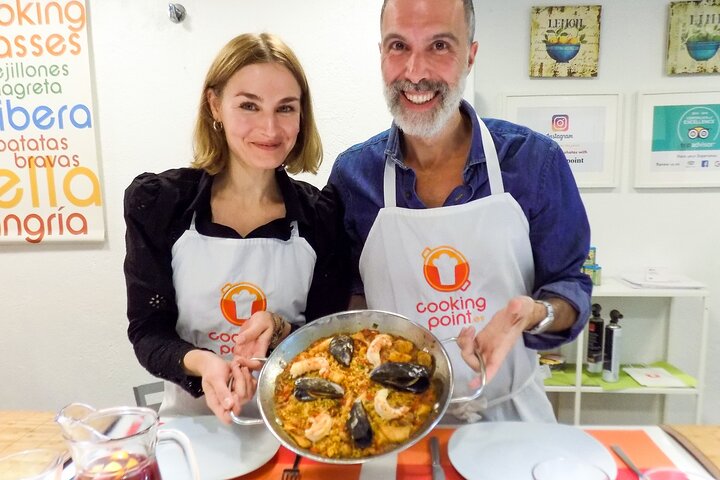
- 100% Hands-on Cooking Class Paella Tapas Sangria in Madrid
- Avila & Segovia Full Day Tour from Madrid
- Bernabéu Stadium & Real Madrid Museum Tour + Optional Tapas
- Centro Cultural Flamenco Madrid Admission Ticket
- Corral de la Moreria Madrid Flamenco Show with Optional Dinner
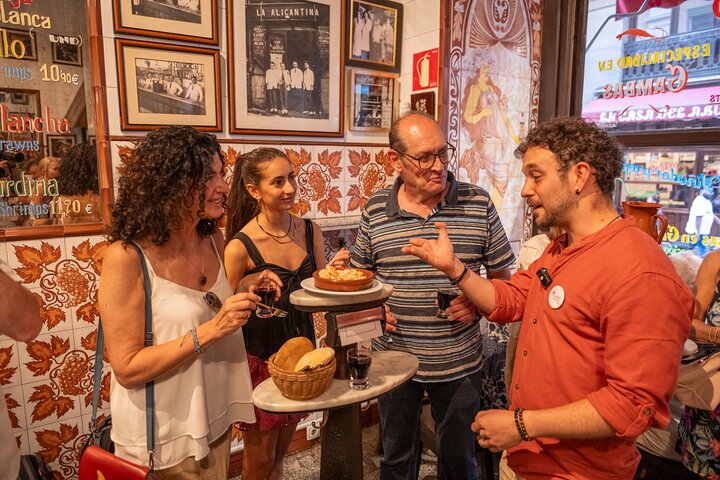
- Eating Madrid: Food Walking Tour, Small-Group Tapas & Wine
- Escorial Monastery and the Valley of the Fallen Tour from Madrid
- Essential Flamenco: Pure Flamenco Show in the Heart of Madrid
- From Madrid: Toledo & Segovia Day Tour with Lunch & Tickets
- Madrid Barajas Airport Private Transfer to Madrid City
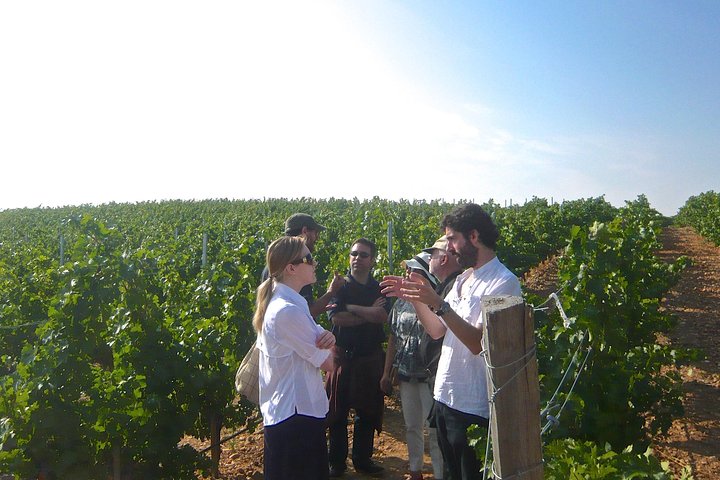
- Madrid Countryside Wineries Guided Tour with Wine Tasting
- Madrid Highlights Bike Tour
- Madrid Old City Guided Exclusive Walking Tour
- Madrid Old Town & Royal Palace Walking Tour Skip the Line Ticket
- Madrid Tapas & Taverns Small Group Food & History Tour
- Madrid Tapas & Wine Tasting Food Tour – Small Group Local Bars
- Madrid Tapas & Wine Tour with Rooftop Views and Local Guide
- Madrid Tapas Wine and History Tour
- Madrid Ultimate Spanish Cuisine Food Tour
- Madrid in a Day Tour: Royal Palace, Historic Center & Prado Museum
- Madrid to Avila & Segovia: Full-Day Highlights Tour
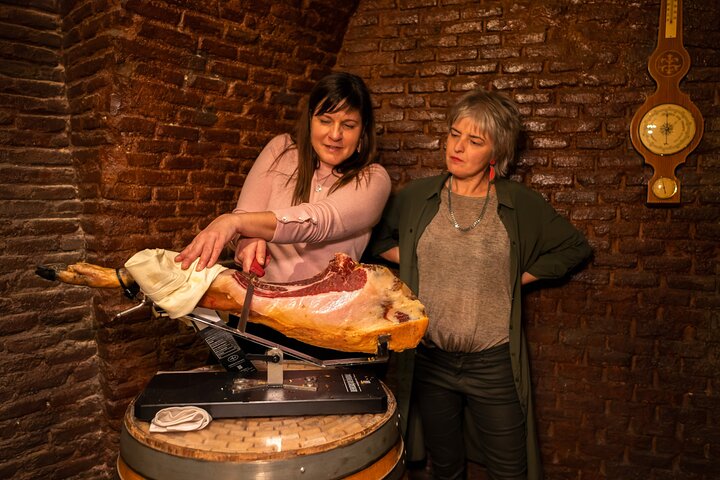
- Madrid: Guided Food Tour of Tapas, Ham, Olive Oil & Vermouth
- Madrid: Paella Cooking Class with Bottomless Wine Pairing
- Madrid: Royal Palace Guided Tour with Skip the Line Ticket
- Paella Workshop with Bottomless Sangria in Central Madrid
- Prado Museum Guided Tour with Skip-the-Line Ticket
- Prado Museum Madrid Guided Tour with Skip the Line Ticket
- Prado Museum Small Group Tour with Skip the Line Ticket
- Prado Museum Tour & Lunch at the Oldest Restaurant in the World
- Private Eco Tuk Tuk Tour with Local Guide
- Reina Sofia Museum Small Group Tour - Maximum 6 people -
- Ribera del Duero Wineries Guided Tour & Wine Tasting from Madrid
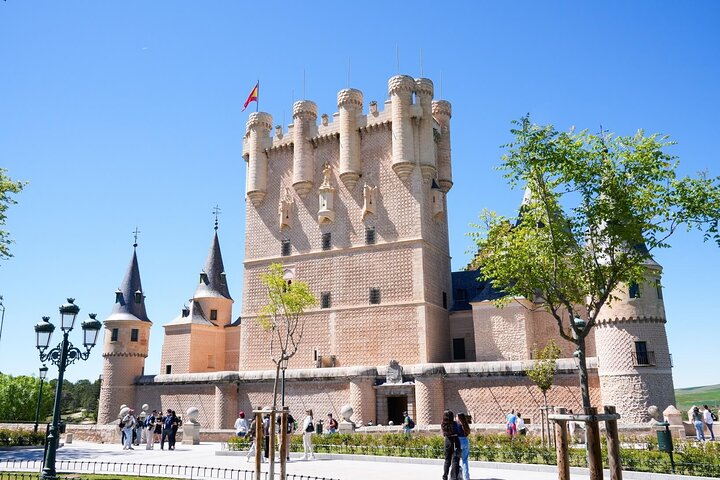
- Segovia Tour with Cathedral and Alcazar from Madrid
- Segovia and Toledo Day Tour from Madrid with Optional Alcazar
- Taste of Spain: Tapas Cooking Class with Bottomless Wine Pairing
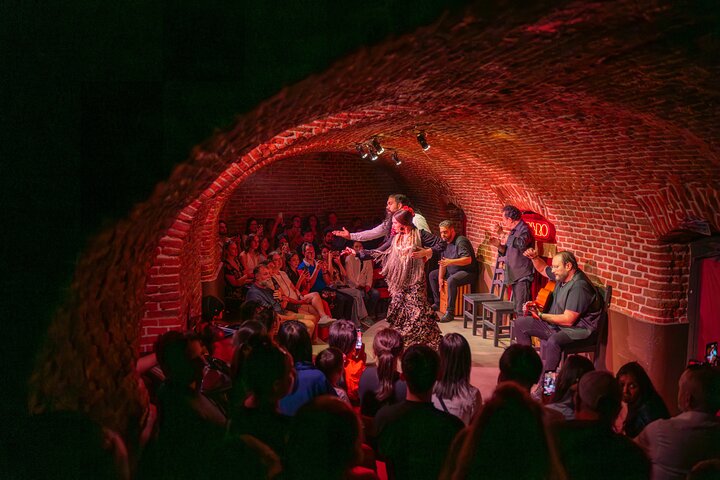
- Teatro Flamenco Madrid: Live the Flamenco Experience
- Three Cities in One Day: Segovia, Avila and Toledo from Madrid
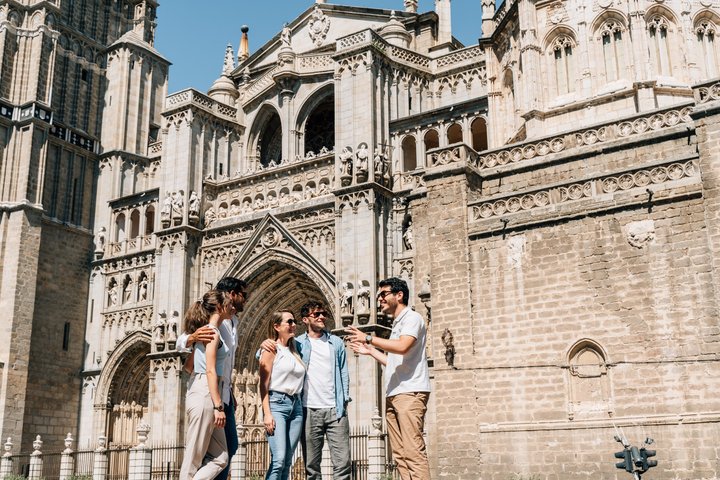
- Toledo Day Trip with Cathedral from Madrid
- Toledo Private Tour with Licensed Guide and Driver from Madrid
- Toledo Tour & Vineyard Experience with Wine Tasting from Madrid
- Toledo Tour from Madrid: Cathedral, Synagogue & St. Tome's Church
- Toledo, Segovia and Avila from Madrid with Tickets and Lunch
- Welcome to Madrid Eco Tuk Tuk Private Tour with Local Guide
- Ávila & Segovia Tour with Monument Tickets from Madrid
02Complete your day
More to do in Madrid
 Top pick
 Top pick
 Top pick
 Top pick
 Top pick
 Top pick
03Shows & Nightlife
Your nights out in Madrid
Free cancellation Skip the line
 Bestseller
 Bestseller
04Categories
Guided tours in Madrid
Free cancellationFree cancellationTop pickTop pickTop pickTop pick05Categories
Food & Drink in Madrid
Top pickTop pickTop pick Top pick
 Top pick
 Top pick
06Categories
Culture & History in Madrid
 Top pick
 Selling fast
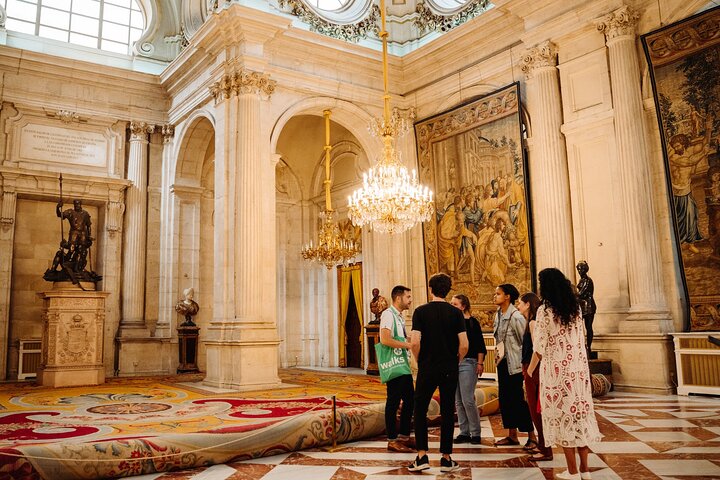 Top pick
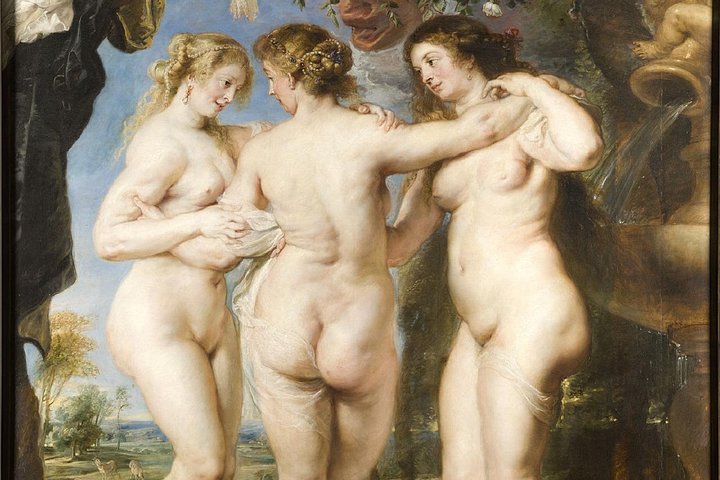 Selling fast
 Free cancellation
 Selling fast
07Categories
Day trips in Madrid
 Free cancellationTop pick
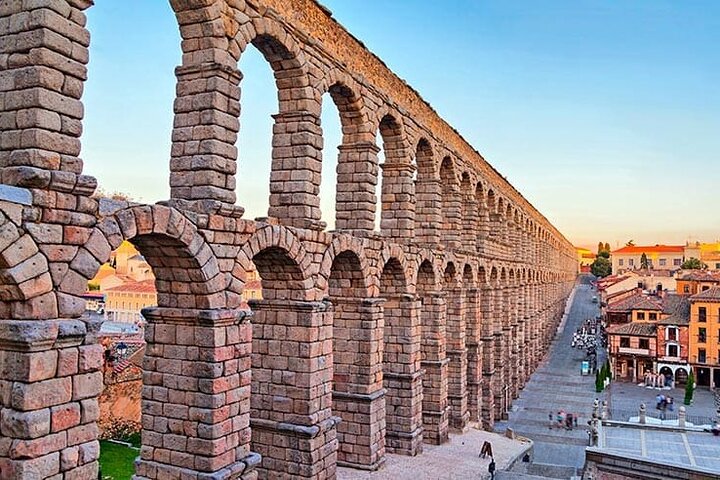 Free cancellation
08Categories
Workshops & classes in Madrid
Top pickTop pickTop pick09Categories
Private tours in Madrid
Top pick Selling fastTop pick
10Explore nearby
Nearby cities




Trending
Popular activities
 Top pick
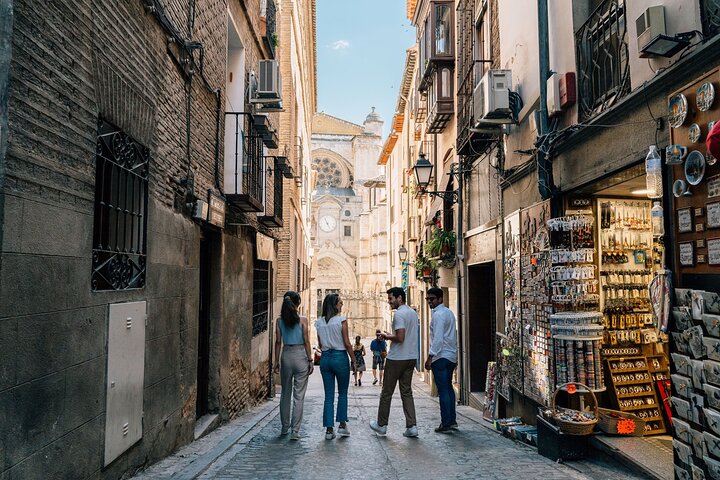 Top pick
 Top pick
 Top pick
 Bestseller
 Bestseller
Plan your trip
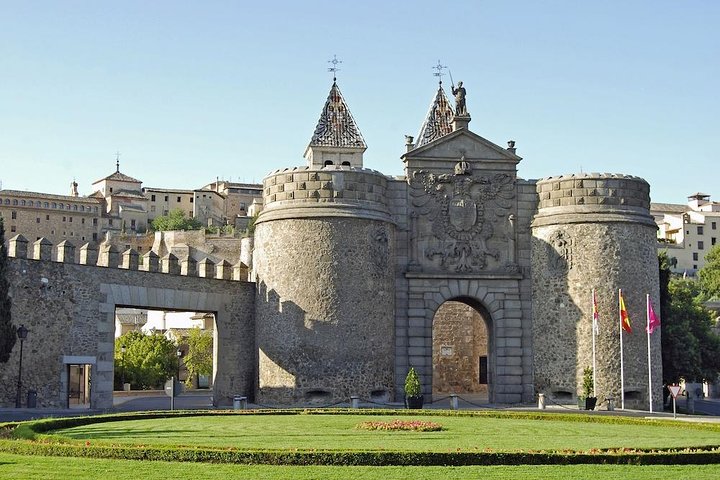
- Guide · 7 min readToledo, Segovia and Ávila from MadridFour day trips compared from Madrid: Toledo alone, Ávila and Segovia, Toledo and Segovia, or three cities in 12 hours. Here is what each one includes and which to choose.
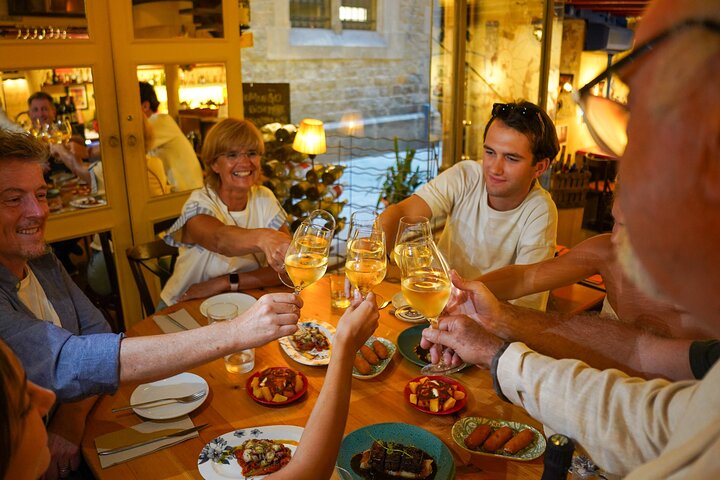 Guide · 7 min readSmall-Group Tapas and Wine Tours in SpainThree guided small-group walking tours, in Barcelona, Madrid and Seville. This article compares what each one lets you taste, what it serves to drink, how long it lasts and which traveler it suits.
Frequently asked questions about Madrid
What is there to do in Madrid?
Madrid has 44 activities, tours and day trips you can book online. Among the most booked: « Segovia Tour with Cathedral and Alcazar from Madrid », « Bernabéu Stadium & Real Madrid Museum Tour + Optional Tapas », « Toledo Day Trip with Cathedral from Madrid ».
What are the top-rated activities in Madrid?
According to traveller reviews: « Toledo Private Tour with Licensed Guide and Driver from Madrid » (5.0/5, 697 reviews) ; « Madrid: Guided Food Tour of Tapas, Ham, Olive Oil & Vermouth » (5.0/5, 891 reviews) ; « Madrid Old City Guided Exclusive Walking Tour » (5.0/5, 634 reviews).
Can you cancel an activity in Madrid for free?
Usually, yes: 24 of the 24 most popular activities in Madrid offer free cancellation. The exact terms are shown on each activity page before you book.
What is there to visit near Madrid?
Close to Madrid: Montserrat, Galicia, Toledo, Segovia.