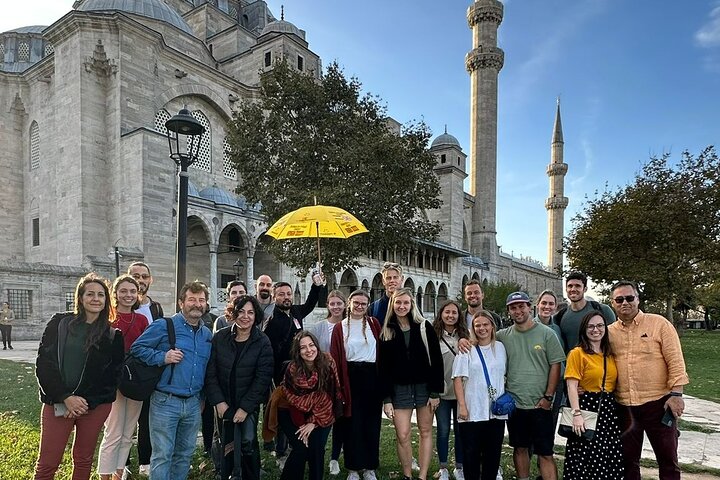
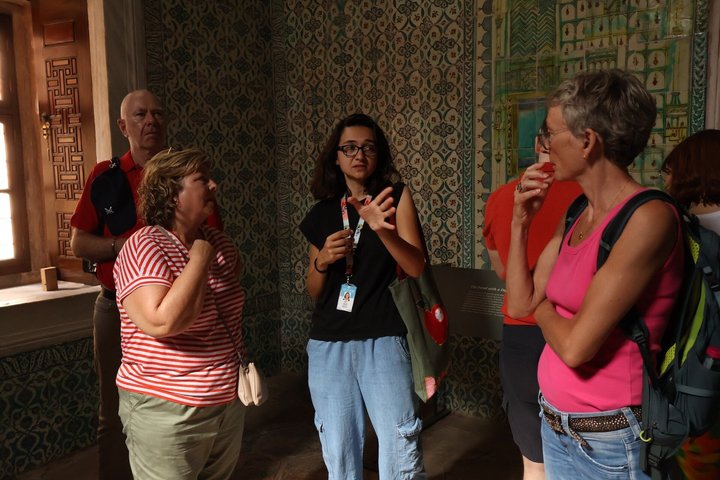
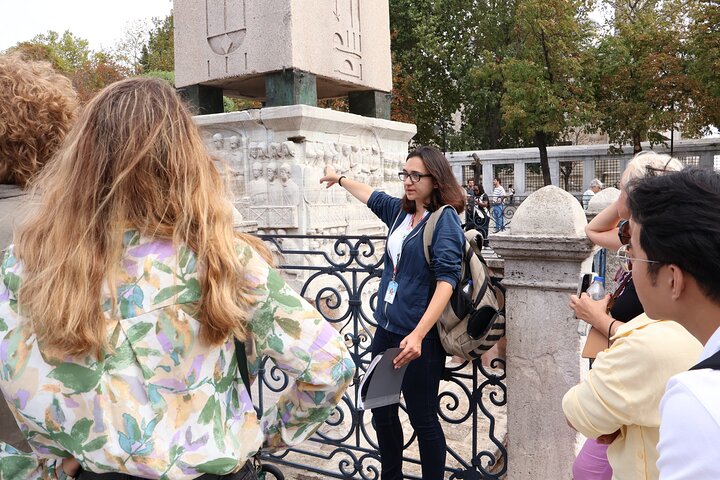
Savas tem 5 anos de formação acadêmica para ser um guia de turismo certificado – e inúmeras horas guiando visitantes estrangeiros pelos destaques de Istambul. Seu treinamento transpareceu em sua narrativa detalhada sobre a importância histórica das joias arquitetônicas na Praça de Sultanahmet:
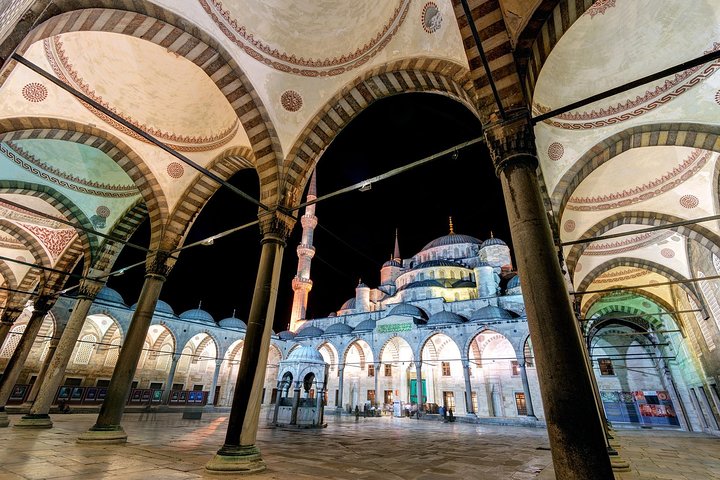
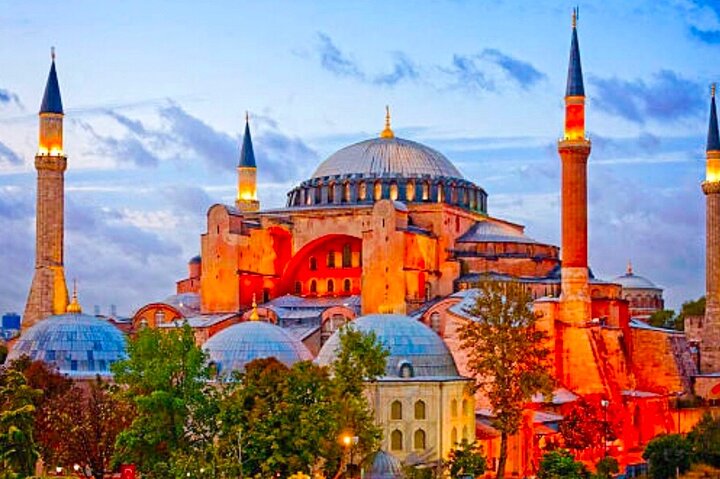
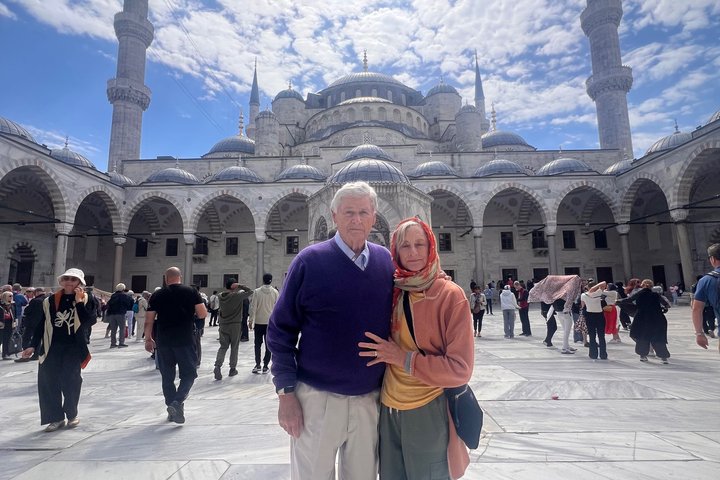
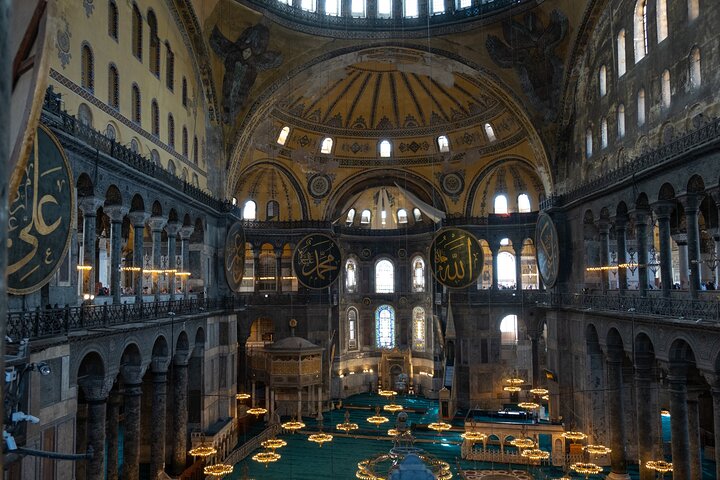
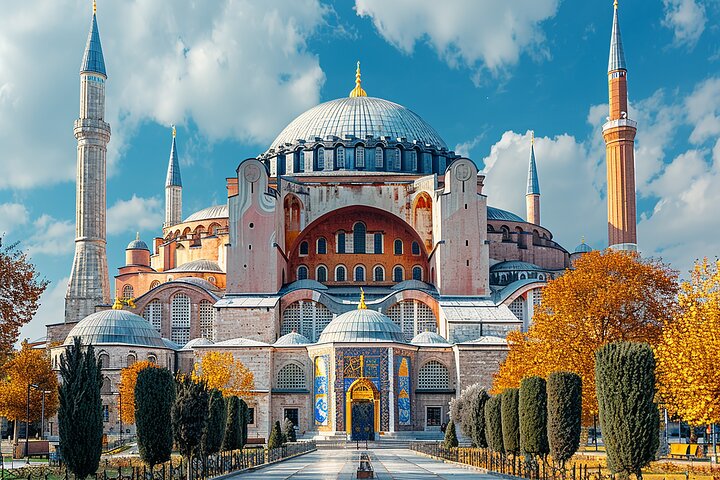
Começamos com uma introdução e visita guiada à Mesquita Azul (construída pelo Sultão Ahmed de 1609 a 1617); depois caminhamos até a Santa Sofia ("Sabedoria Santa"), construída em um período muito anterior (532 - 537 d.C.) pelo Imperador Romano Justiniano – e uma explicação de como, após 900 anos, esta catedral cristã foi transformada em mesquita imperial após a conquista otomana (1453 - 1922). Ainda assim, Savas conseguiu apontar para nós os restos de vários mosaicos e obras de arte cristãs da Alta Idade Média. Sem a sua explicação do contexto histórico, teremos perdido o significado por trás da mudança de ocupantes nesta estrutura antiga.
Como a última parte do tour, caminhamos até o meio da Praça e ainda mais para trás no tempo, até o Hipódromo e os monumentos (300 d.C.), onde Savas explicou o esforço do Imperador Constantino para unificar seu império ao legitimar a religião do Cristianismo através da emissão do Edito de Milão. Constantino não só permitiu que o Cristianismo florescesse por todo o continente, mas também reuniu muitas facções do Cristianismo para refletir/resolver a questão de Jesus Cristo: É um ser eterno ou um profeta (um ser criado e subordinado ao seu Pai)? Em 325 d.C., o Concílio de Niceia decidiu que Jesus Cristo, o Filho, era "da mesma substância" que o Pai e, portanto, igual a Deus, assim como o Espírito Santo. Novamente, significativo para a proliferação do Cristianismo e da Santíssima Trindade.
Acima estão exemplos da narrativa entusiasmada de Savas de três períodos históricos díspares (Romano, Cristão e Otomano) combinados em um relativamente pequeno quilômetro quadrado em Istambul que moldou o curso da Europa, da Ásia e também da cultura turca. Desde que começamos o passeio às 1: 30 da tarde, estávamos com fome depois de várias horas. Savas nos apresentou restaurantes em uma rua pequena próxima.
Foi um dia esclarecedor e maravilhoso. No entanto, isso não foi tudo. Savas fez um esforço especial naquela noite para acompanhar uma lista de restaurantes turcos perto da área do Grand Bazaar para ajudar com nossos planos para um passeio independente no dia seguinte.
Para aqueles que não são entusiastas de história, você pode achar a rica história avassaladora. Se for esse o caso, comunique a Savas durante o passeio que você gostaria de focar mais em ver as joias arquitetônicas e o que as torna únicas.
Dicas Úteis sobre o Custo do Ingresso:
Se você planeja contratar um guia e pagar os ingressos dos locais da Praça de Sultanahmet do próprio bolso ou pagar ao guia pelos ingressos, você deve saber quanto custa cada local:
- - Mesquita Azul (Mesquita de Sultan Ahmed): Grátis
- - Santa Sofia (“Sabedoria Santa”): 25 Euros
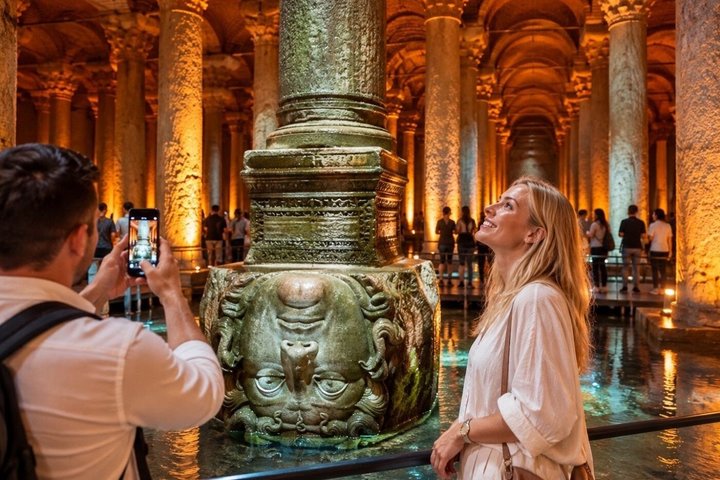
- - Basílica da Cisterna: 41 Euros ( 2250 Liras Turcas)
- - Palácio Topkapi (palácio imperial otomano) : 50 Euros ( 2750 Liras) – Se você estiver com pouco tempo, eu despriorizaria ou até pularia este site. É um lugar grande e parece mais um museu com artefatos e salas do que uma maravilha arquitetônica.
Resposta do fornecedor · Mehmet Gökhan T
Thank you so much for your incredibly thoughtful, detailed, and wonderful review! On behalf of our entire team, we sincerely appreciate the time you took to share your experience of our Private Istanbul Historical, Architectural, and Cultural Walking Tour with our professional licensed tour guide, Savas.
We are absolutely delighted that your experience exploring Istanbul’s extraordinary history, magnificent architecture, rich cultural heritage, authentic Turkish cuisine, and traditional Turkish craftsmanship was both enlightening and memorable.
At our travel agency, we believe that discovering Istanbul should be much more than simply visiting famous attractions. Our mission is to provide personalized private Istanbul tours that combine fascinating history, breathtaking architecture, authentic local experiences, traditional Turkish food, centuries-old handicrafts, and genuine Turkish hospitality.
We are especially pleased that Savas’s extensive professional training, historical knowledge, enthusiasm, and storytelling skills made such a positive impression on you. An experienced licensed private tour guide in Istanbul can truly transform an ordinary sightseeing experience into a meaningful journey through thousands of years of civilization.
One of Istanbul’s most remarkable qualities is its extraordinary architectural heritage. Few cities in the world offer such an impressive concentration of Roman, Byzantine, and Ottoman architectural masterpieces within one historic neighborhood.
Your visit to Sultanahmet Square, the Blue Mosque, Hagia Sophia, and the ancient Hippodrome of Constantinople perfectly demonstrates why Istanbul’s Old City is one of the world’s most fascinating destinations for history, architecture, art, and cultural exploration.
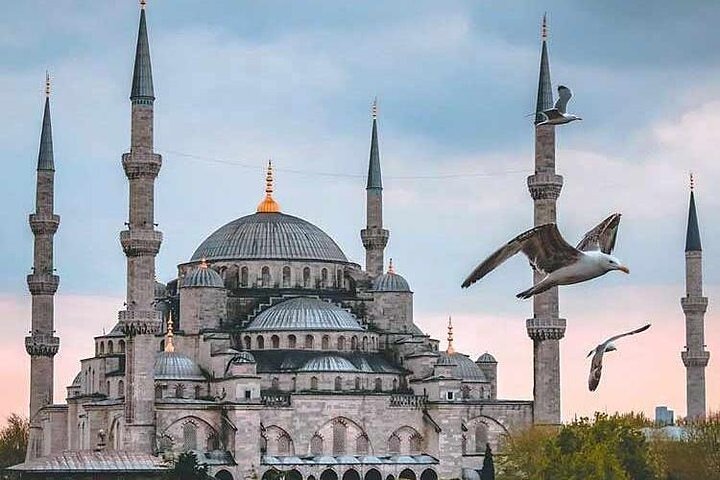
The Blue Mosque (Sultan Ahmed Mosque) is one of the finest examples of classical Ottoman architecture. Its six elegant minarets, magnificent central dome, cascading smaller domes, beautiful courtyard, intricate calligraphy, and thousands of exquisite İznik ceramic tiles create an unforgettable architectural masterpiece. Understanding the artistic symbolism, structural engineering, and decorative craftsmanship behind this magnificent mosque adds an entirely new dimension to the experience.
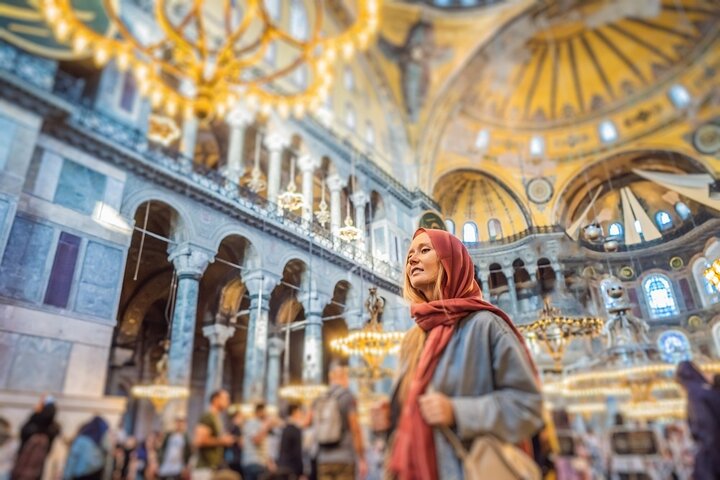
Just a short walk away, Hagia Sophia represents one of the greatest achievements in Byzantine architecture and engineering. Constructed during the sixth century under Emperor Justinian I, its enormous dome, innovative architectural design, impressive marble columns, magnificent interior spaces, and surviving Byzantine mosaics continue to inspire architects, historians, and travelers from around the world.
We are particularly happy that Savas helped explain Hagia Sophia’s remarkable religious and architectural transformations throughout history. The combination of Byzantine Christian mosaics and later Ottoman Islamic artistic elements makes this extraordinary monument a powerful reflection of Istanbul’s multicultural heritage.
The ancient Hippodrome of Constantinople, now part of Sultanahmet Square, offers another fascinating perspective on Roman and Byzantine urban planning, imperial ceremonies, public gatherings, and architectural history. Historical monuments such as the Egyptian Obelisk, Serpent Column, and Walled Obelisk reveal the importance of this remarkable public space.
We are delighted that Savas’s explanations helped connect these architectural landmarks with the wider historical developments of the Roman, Byzantine, and Ottoman civilizations. Our goal is always to help visitors appreciate not only the beauty of Istanbul’s historical monuments but also the extraordinary stories, architectural innovations, religious traditions, and cultural influences that shaped them.
Beyond Istanbul’s magnificent monuments, we also believe that traditional Turkish arts and handicrafts are an essential part of understanding the city’s cultural identity.
Türkiye has an extraordinary heritage of skilled artisans whose craftsmanship has been passed down through generations. Traditional Turkish handmade carpets and kilims, İznik ceramics, hand-painted pottery, Ottoman calligraphy, Ebru paper marbling, mosaic lamps, copperware, intricate jewelry, and traditional textile weaving all reflect centuries of artistic creativity and cultural exchange.
The beautiful İznik tiles decorating the Blue Mosque are a wonderful example of how traditional Turkish craftsmanship and Ottoman architecture complement one another. Their delicate floral patterns, geometric designs, rich colors, and exceptional artistry demonstrate the remarkable skills of Ottoman ceramic masters.
Likewise, traditional Turkish carpets and kilims are much more than decorative objects. Their intricate patterns, symbolic motifs, weaving techniques, and regional styles tell fascinating stories about Anatolian traditions, family heritage, and centuries-old craftsmanship.
The Grand Bazaar and its surrounding historic neighborhoods offer wonderful opportunities to discover authentic Turkish handicrafts, artisan workshops, handmade ceramics, traditional jewelry, textiles, and other cultural treasures. These traditional arts are an important part of Istanbul’s living heritage, connecting the city’s historical past with its vibrant present.
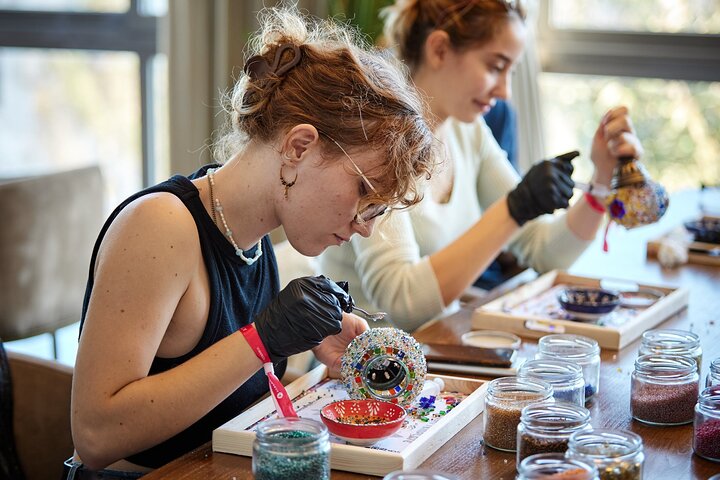
For travelers interested in Turkish arts, Ottoman decorative design, handmade carpets, traditional ceramics, and local craftsmanship, our private Istanbul tours can also be tailored to include cultural discoveries and opportunities to learn about these beautiful traditions.
We also strongly believe that authentic Turkish food is an essential part of the Istanbul travel experience. Exploring the city’s culinary traditions is another wonderful way to discover its history, cultural diversity, and everyday life.
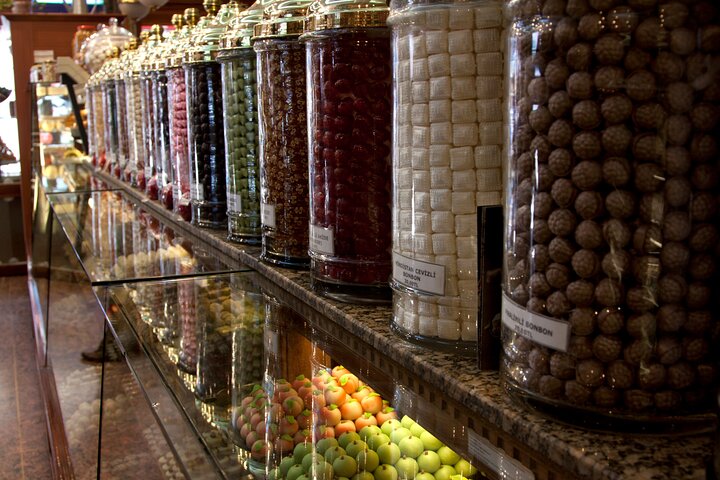
Turkish cuisine reflects centuries of Anatolian, Mediterranean, Central Asian, Middle Eastern, and Ottoman influences. From traditional kebabs, köfte, döner, pide, and lahmacun to delicious mezes, homemade Turkish dishes, baklava, Turkish delight, and traditional Turkish coffee, Istanbul offers an extraordinary variety of flavors.
We are very pleased that Savas introduced you to local restaurants near Sultanahmet after your historical walking tour. After spending several hours exploring Istanbul’s architectural treasures, enjoying a delicious Turkish meal in a welcoming local restaurant is a wonderful way to continue experiencing the city.
We also sincerely appreciate your recognition of Savas’s thoughtful follow-up with local Turkish restaurant recommendations near the Grand Bazaar for your independent sightseeing the following day.
For our agency, exceptional service does not end when a guided tour finishes. We want our guests to feel welcomed, supported, and confident while discovering Istanbul independently. Whether recommending authentic Turkish restaurants, traditional street food, local markets, historic neighborhoods, artisan shops, or hidden architectural treasures, our guides are always happy to share their local knowledge.
The neighborhoods surrounding Sultanahmet, the Grand Bazaar, and Beyazıt are particularly fascinating because they bring together historic Ottoman architecture, traditional Turkish cuisine, centuries-old commercial streets, local artisans, and vibrant cultural traditions.
We also appreciate your helpful suggestions regarding Hagia Sophia entrance tickets, Basilica Cistern admission, Topkapi Palace, Blue Mosque visits, and planning an Istanbul Old City sightseeing itinerary. Your detailed observations will certainly help future visitors better understand how to organize their time and choose attractions that match their interests. Since entrance fees and visitor regulations can change, we always recommend confirming the latest information before visiting.
Another important point you mentioned is the flexibility of a private guided Istanbul tour. Every traveler has different interests, and we believe the best sightseeing experience should reflect those individual preferences.
Some guests are passionate about Byzantine history, early Christianity, Roman civilization, and the Ottoman Empire. Others are particularly interested in Islamic architecture, Byzantine mosaics, Ottoman decorative arts, traditional Turkish handicrafts, architectural photography, authentic Turkish cuisine, or everyday local culture.
Our professional licensed tour guides are always happy to adapt the experience, balancing historical explanations, architectural discoveries, photography opportunities, local food recommendations, and cultural interests according to each guest’s preferences.
We are especially proud that Savas was able to combine historical storytelling, architectural interpretation, cultural understanding, and personalized Turkish hospitality throughout your Istanbul walking tour.
Your appreciation of his knowledge, professionalism, enthusiasm, and dedication means a great deal to our entire team. We value guides who are not only knowledgeable about Istanbul’s famous historical attractions but also genuinely passionate about sharing the city’s architecture, traditions, local cuisine, artistic heritage, and hidden stories with visitors from around the world.
We will certainly share your wonderful feedback with Savas, and we know that your kind words will mean a great deal to him.
Thank you once again for choosing our agency for your private Istanbul guided tour of Sultanahmet, the Blue Mosque, Hagia Sophia, and the Hippodrome.
It was a pleasure to be part of your Istanbul journey, and we sincerely hope that the magnificent architecture, fascinating history, traditional Turkish arts, delicious local food, and warm hospitality of our city have left you with unforgettable memories.
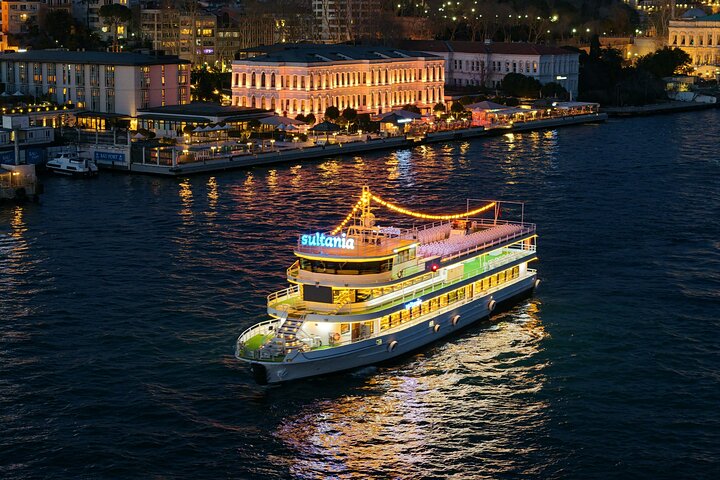
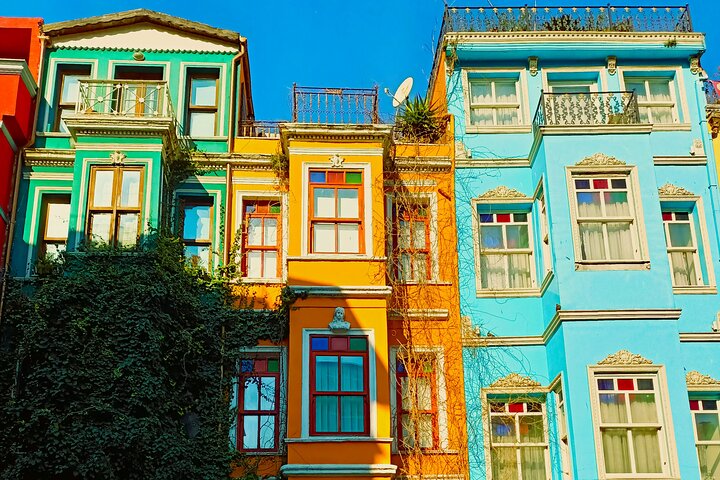
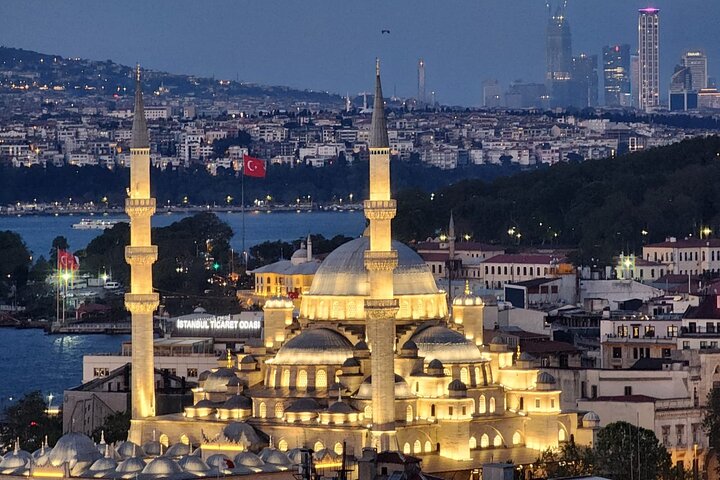
We would be delighted to welcome you back to Istanbul for another personalized experience, perhaps exploring the Basilica Cistern, Topkapi Palace, Süleymaniye Mosque, Grand Bazaar, Spice Bazaar, colorful Balat neighborhoods, Ottoman architectural masterpieces, traditional Turkish handicraft workshops, or the beautiful Bosphorus.
There is always another fascinating story, hidden architectural detail, talented local artisan, historical treasure, or delicious Turkish specialty waiting to be discovered in Istanbul!
Warmest regards from Istanbul,
 Cancelamento gratuito
 Cancelamento gratuito
 Visita privada
 Favorito
 Favorito
 Cancelamento gratuito
 Favorito
 Favorito
 Favorito
 Cancelamento gratuito
 Visita privada
 Favorito
 Cancelamento gratuito
 Favorito
 Promoção
 Favorito
 Favorito
 Favorito
 Favorito
 Favorito
 Favorito
 Favorito
 Cancelamento gratuito
 Favorito
 Favorito
 Favorito
 -15%
 Favorito
 Favorito
 Favorito
 Favorito
 Favorito
 Favorito
 Favorito