In the Footsteps of Apostle Paul: Ancient Corinth Tour
64 activities · Greece
Athens, Greece, has 64 activities, tours and experiences to book.
01Activities to book
The best experiences in Athens
 Free cancellation
 Top pick
 Top pick
 -7%
 Top pick
 Top pick
 Top pick
 Top pick
 Top pick
 Top pick
 Top pick
 Top pick
All activities · Athens · 64
- 3-Day Classical Greece Tour: Epidaurus, Mycenae, Nafplion, Olympia, Delphi
- 4 Hours - Athens & Acropolis Highlights Private Tour
- 4-Day Classical Greece Tour: Epidaurus, Mycenae, Olympia, Delphi, Meteora
- Acropolis Monuments & Parthenon Walking Tour with Optional Acropolis Museum
- Acropolis and Acropolis Museum PRIVATE Tour with Licensed Expert
- Acropolis and Parthenon Guided Walking Tour
- Acropolis of Athens and Acropolis Museum Tour
- Airport Pickup Services in Athens
- Athens Acropolis & Ancient Agora: Mythology Small-Group Tour
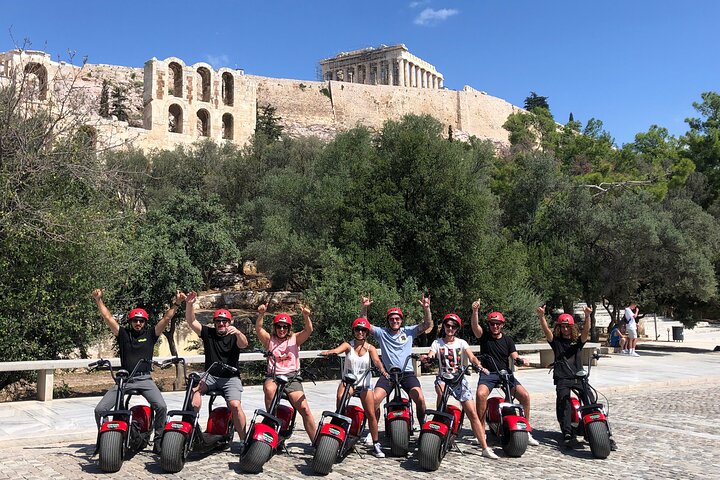
- Athens Acropolis Official E-Scooter Guided Tour Fat E-Bike
- Athens Acropolis and Parthenon Walking Tour
- Athens Airport to Athens Hotels Private Arrival Transfer
- Athens All Included: Acropolis and Museum Guided Tour with Ticket
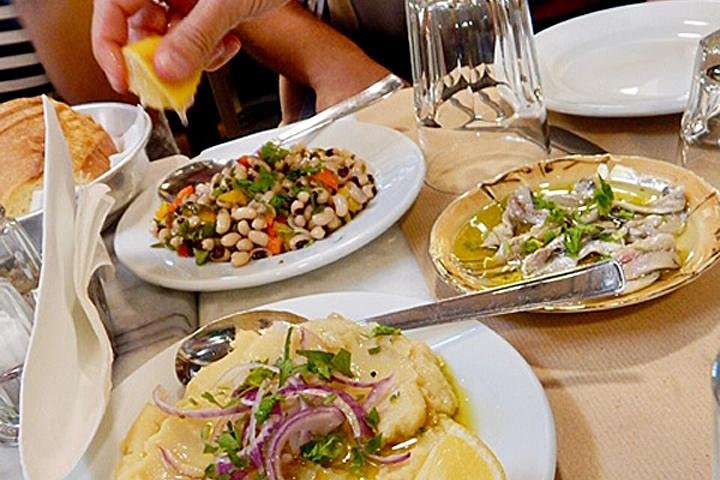
- Athens Authentic Greek Food Walking Tour (Small Group)
- Athens Classic Cooking Class with Market Visit and Wine
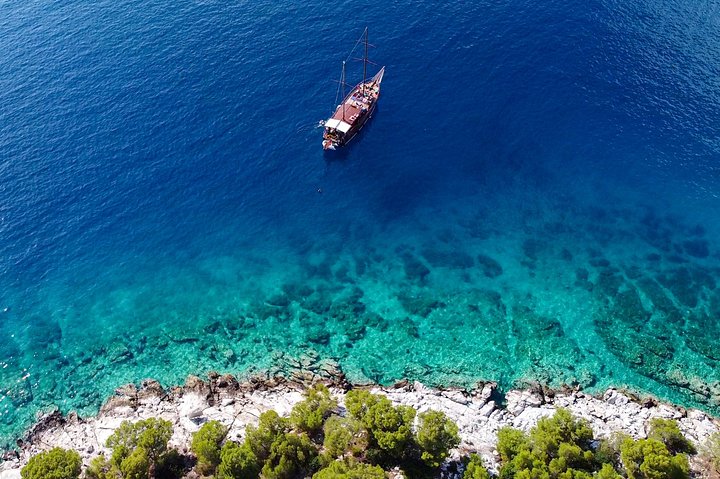
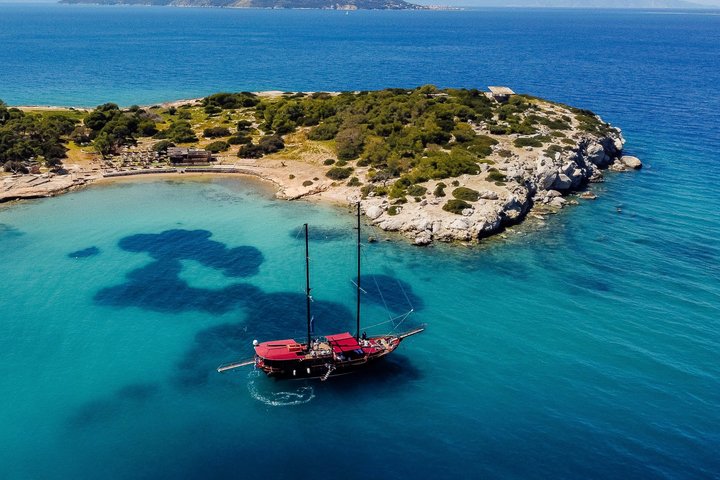
- Athens Cruise: Agistri, Moni/Metopi, Aegina with Lunch & Drinks
- Athens Day Cruise: 3 Islands Tour in the Saronic Gulf with Lunch
- Athens Evening Food Tour
- Athens Food Tour with 10+ Tastings of Greek Traditional Dishes
- Athens Full Day Private Tour
- Athens Full Day Private Tour
- Athens Full Day Private Tour
- Athens Half Day Tour, Acropolis, Parthenon, Temple of Olympian Zeus & Hephaistus
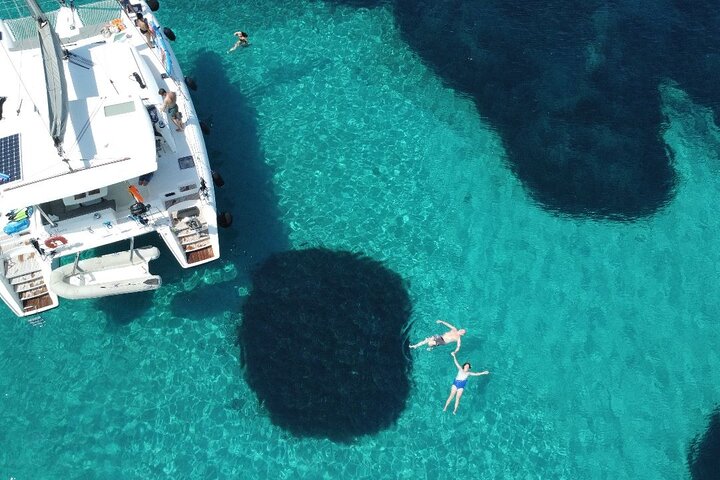
- Athens Riviera Catamaran Tour with Fresh Meal, Drinks, and Swimming
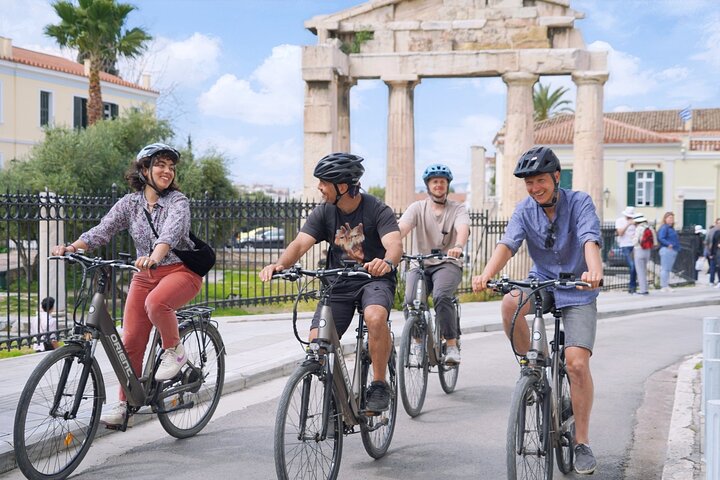
- Athens Scenic Bike Tour with Regular or Electric Bike + Acropolis
- Athens Sightseeing Small Group Tour (Acropolis Tickets Included)
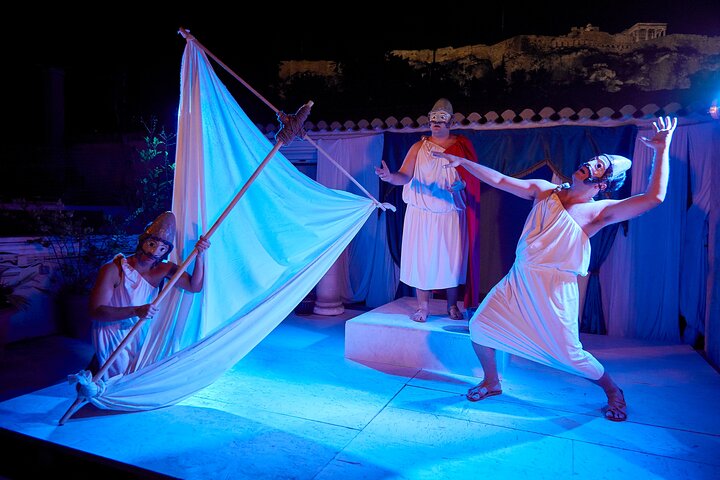
- Athens Skip the Line: Open Air Ancient Greek Theatre Performance
- Athens Small Group E-Bike Tour
- Athens Street Food Walk
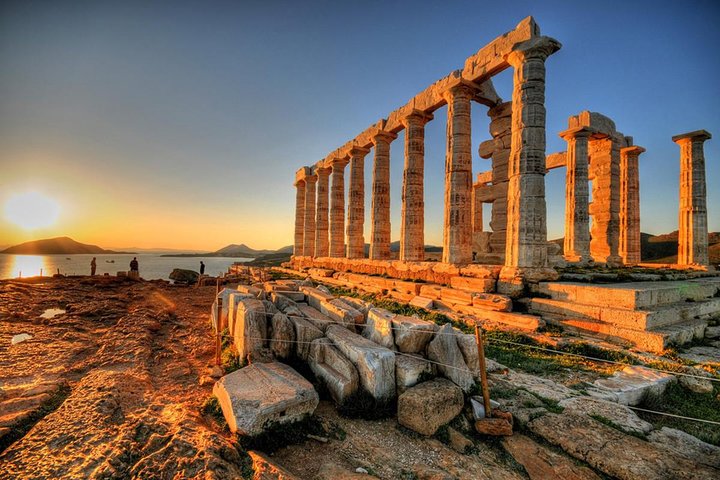
- Athens Temple of Poseidon and Cape Sounion Half-Day Small-Group
- Athens: Acropolis & Parthenon Guided Tour with Optional Museum
- Athens: Acropolis, Parthenon and Acropolis Museum Guided Tour
- Athens: All Day Cruise to Agistri, Moni, Aegina with Lunch & Drinks
- Athens: Meteora Day Trip at 9 AM, Caves, Seaside Stops & Lunch
- Athens: Meteora Monasteries Tour, Caves, Beachfront Stops & Lunch
- Athens: Meteora Monasteries, Hermit Caves Tour with Pickup
- Best of Athens Half Day Private Tour
- Best of Athens Half Day Private Tour
- Best of Athens Half Day Private Tour
- Best of Athens Half-Day Private Tour
- Biblical Tour: St. Paul's Footsteps in Corinth (6 Hours)
- Cape Sounio Private Majestic Sunset Tour with Seaside Dinner
- Cape Sounion & Temple of Poseidon Breathtaking Views Private Trip
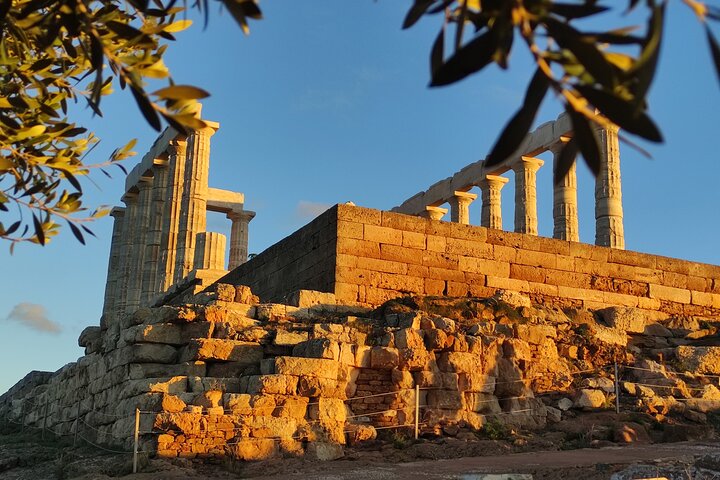
- Cape Sounion and Temple of Poseidon Half-Day Tour from Athens
- Delphi Full Day Private Tour from Athens
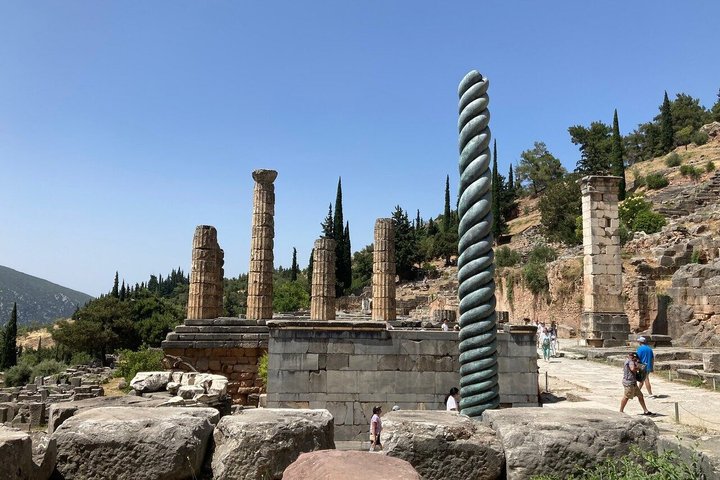
- Delphi Guided Small Group Day Tour from Athens
- Delphi, Thermopylae, Corycian Cave 300 Spartans Small-Group Tour
- Eating Athens: Our Big, Fat, Greek Food Tour
- Full Day Cruise to 3 Islands: Agistri, Moni & Aegina with Lunch
- Get a Taste of Athens Food Tour
- Greek Cooking Class in Athens Including Rooftop Dinner with Acropolis View
- Greek Food Walking Tour in Athens
- Historical Delphi One Day Tour with Arachova Stop & Expert Guide
- In the Footsteps of Apostle Paul: Ancient Corinth Tour
- Lake Vouliagmeni Thermal Spa And Temple Of Poseidon Private Full Day Tour
- Luxury Athens Catamaran Cruise with Greek Meal & Drinks
- Meteora Day Trip with central Pick up & optional Lunch
- Meteora Monasteries Private Full Day Trip From Athens
- Philosophy and Democracy Tour of Athens - Small Group Tour
- Premium Delphi Day Trip with an Expert Guide, Museum & Lunch
- Private Acropolis & Athens City Highlights Tour with Hotel Pickup
- Private Biblical Tour of Ancient Corinth & Isthmus Canal from Athens
- Private Departure Transfer: Athens Hotels to Athens Airport
- Small Group Greek Traditional Food Tour in Athens 26+ Tastings
02Complete your day
More to do in Athens
 -5%
 Top pick
 Top pick
 Top pick
 Free cancellation
 Top pick
03Shows & Nightlife
Your nights out in Athens
 Skip the line
04On the water
Boats & cruises in Athens
-7%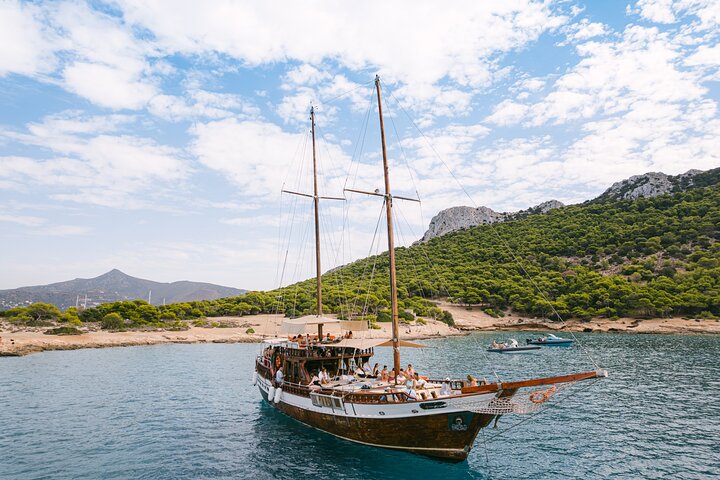 -11%
 Free cancellation
 Top pick
 -5%
 -10%
05Categories
Guided tours in Athens
Free cancellationTop pickTop pickTop pickTop pickTop pick06Categories
Culture & History in Athens
Top pickTop pickTop pick Top pick
 Top pick
 Bestseller
07Categories
Private tours in Athens
Top pick Top pick
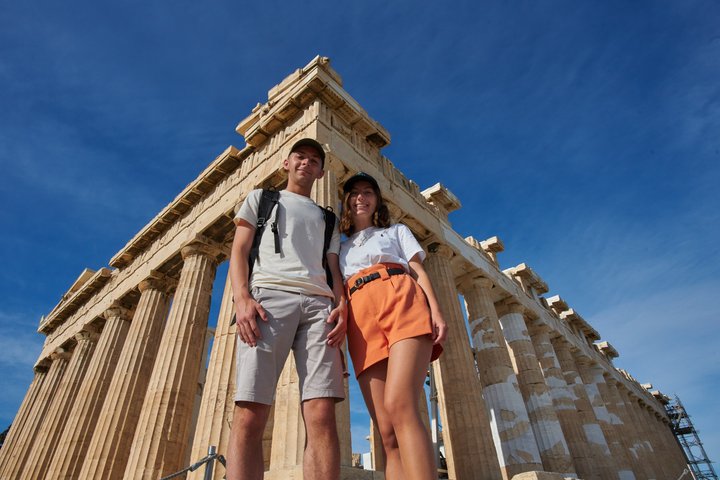 -15%Top pick
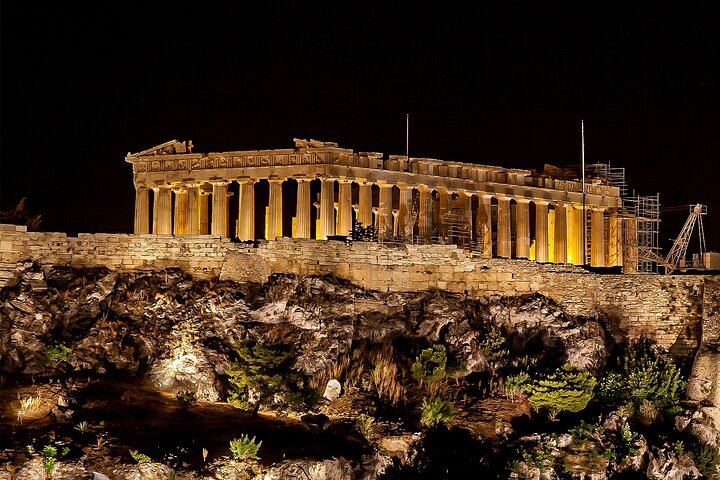 Top pick
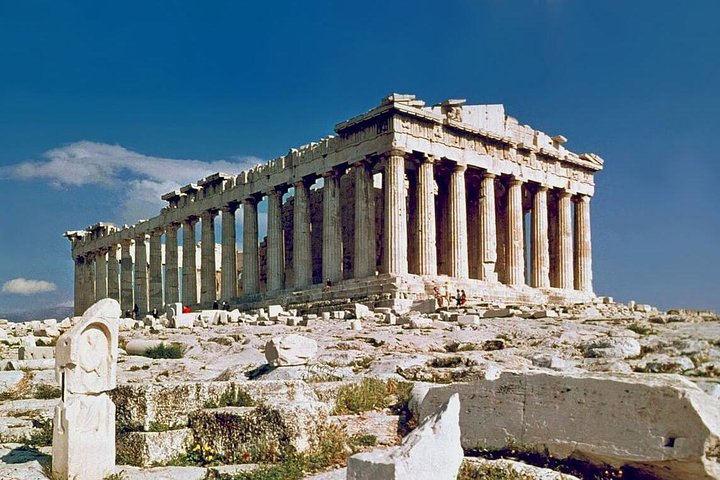 Top pick
08Categories
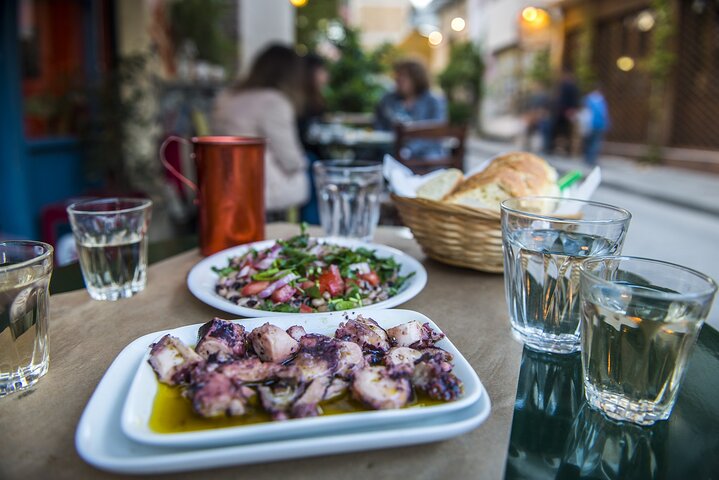
Food & Drink in Athens
 Top pick
 Top pick
 -10%Top pickTop pick
 Top pick
09Categories
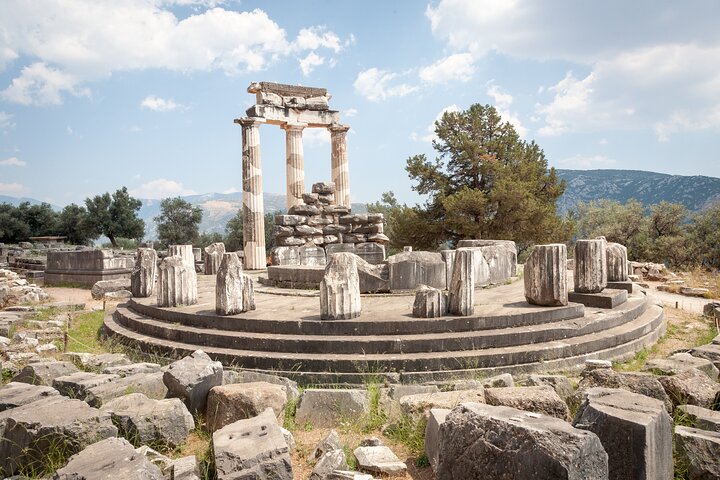
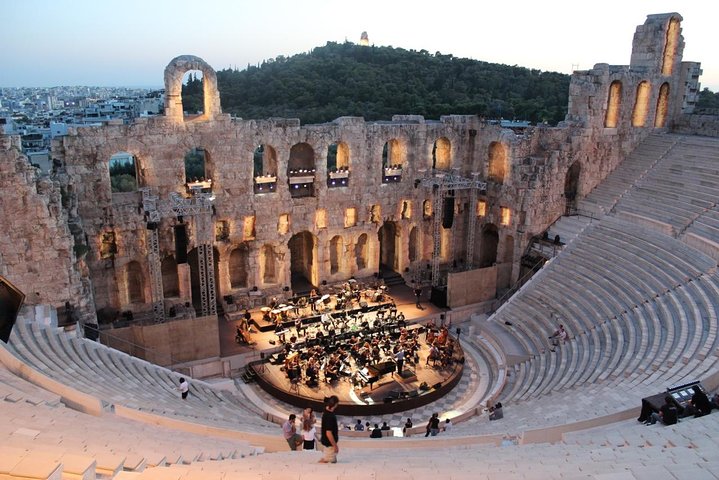
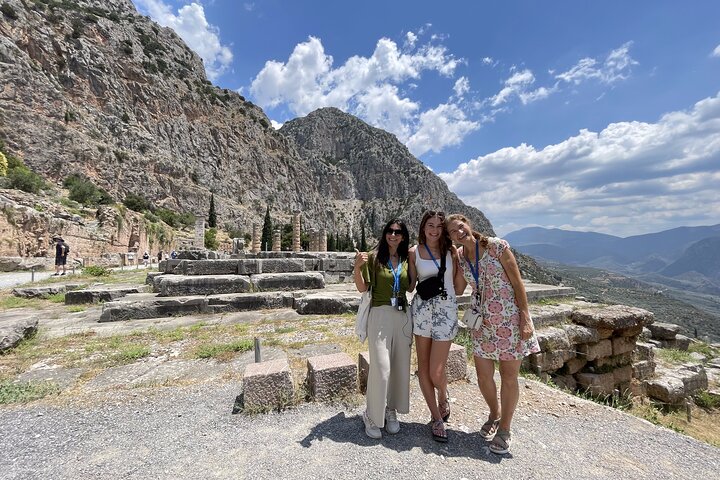
Day trips in Athens
 Free cancellation-11%
 Deal
 Free cancellationFree cancellation
 Free cancellation
10Categories
Skip the line in Athens
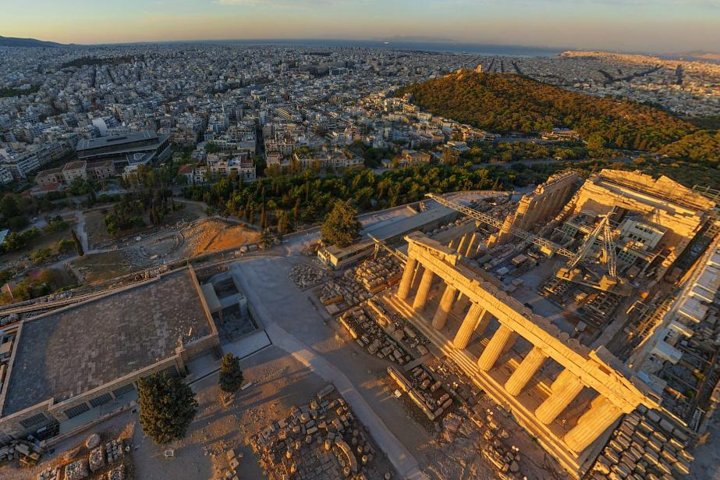 BestsellerSkip the line
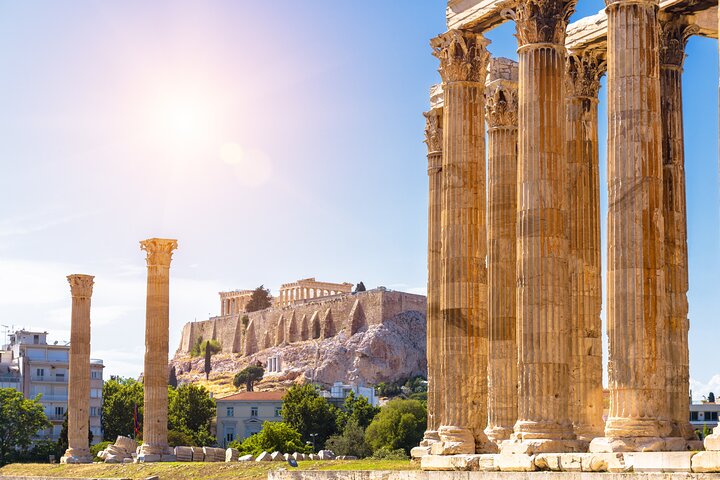 Top pick
11Categories
Walking tours in Athens
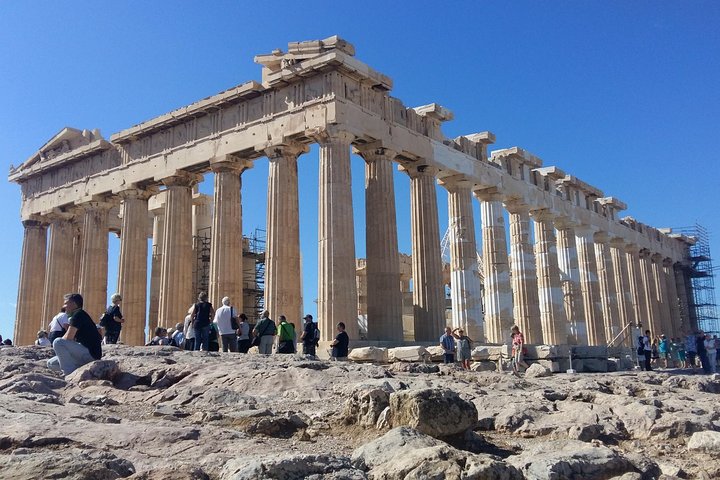 Top pick-5%
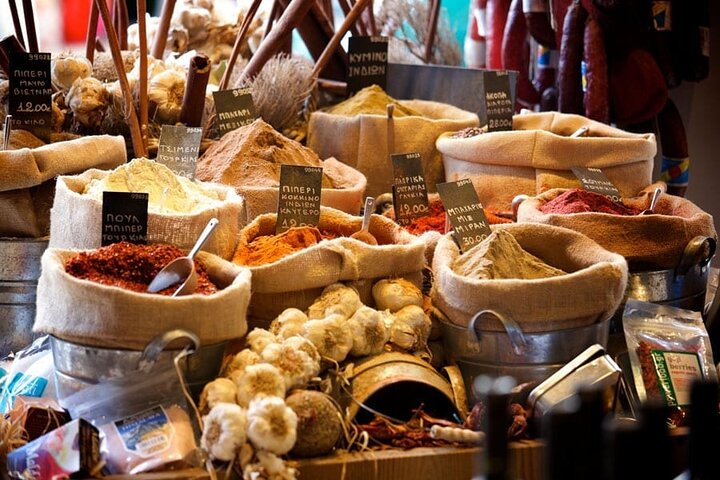 Top pick
Trending
Popular activities
 Top pickTop pick
 Top pickTop pick
 Top pickTop pick
Plan your trip
Frequently asked questions about Athens
What is there to do in Athens?
Athens has 64 activities, tours and day trips you can book online. Among the most booked: « 3-Day Classical Greece Tour: Epidaurus, Mycenae, Nafplion, Olympia, Delphi », « Private Acropolis & Athens City Highlights Tour with Hotel Pickup », « Best of Athens Half-Day Private Tour ».
What are the top-rated activities in Athens?
According to traveller reviews: « Athens Acropolis Official E-Scooter Guided Tour Fat E-Bike » (5.0/5, 564 reviews) ; « Eating Athens: Our Big, Fat, Greek Food Tour » (5.0/5, 704 reviews) ; « Meteora Monasteries Private Full Day Trip From Athens » (5.0/5, 433 reviews).
Can you cancel an activity in Athens for free?
Usually, yes: 24 of the 24 most popular activities in Athens offer free cancellation. The exact terms are shown on each activity page before you book.