- 1
Hiroshima Castle
This castle was originally constructed in 1589.
The current structure is a reconstruction, and visitors can observe the main keep, which was built to symbolize peace rather than for defense, as the era had become more tranquil.
· Non-stop passage
- 2
Atomic Bomb Dome
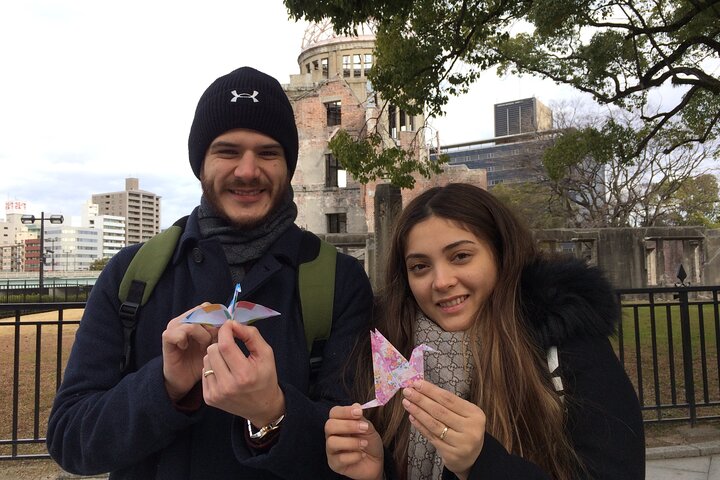
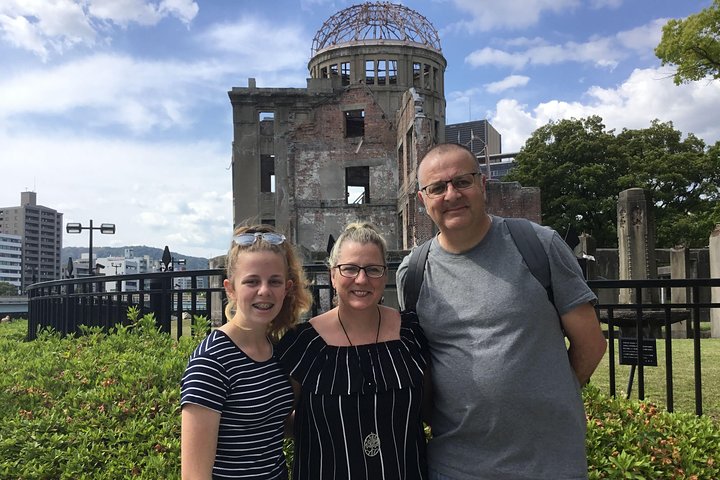
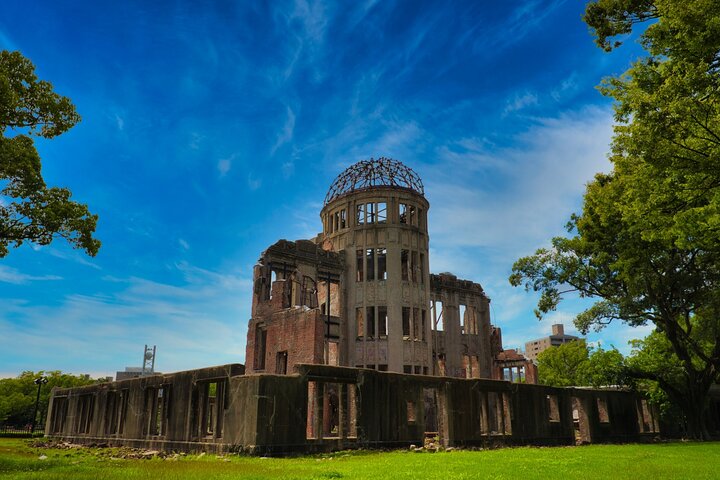
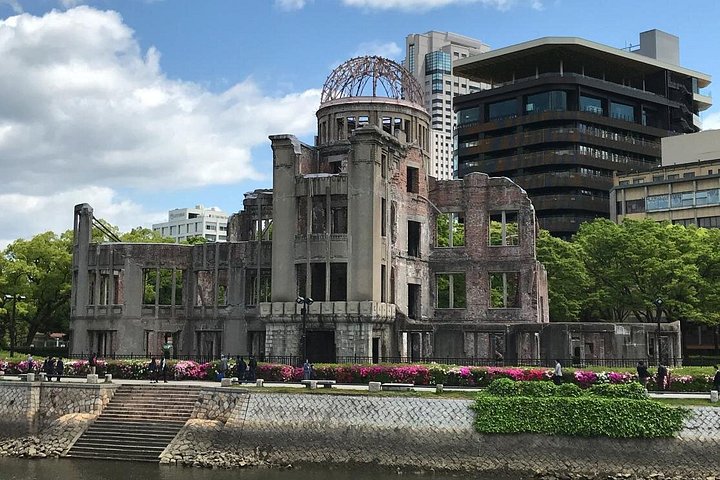
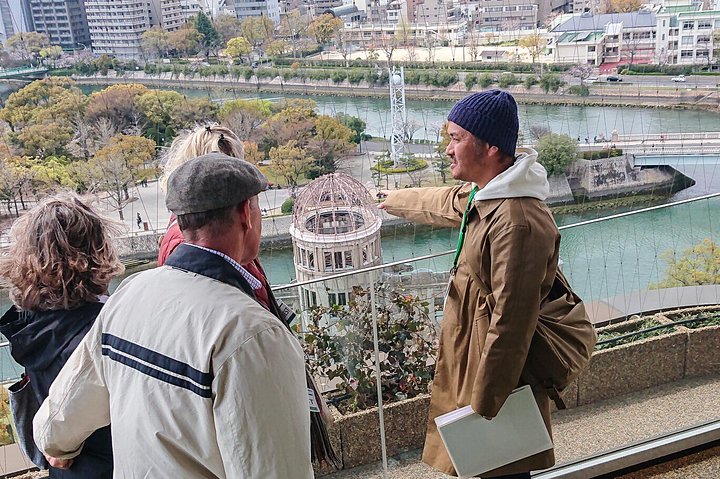
The Atomic Bomb Dome in Hiroshima, Japan, is the preserved ruin of the Hiroshima Prefectural Industrial Promotion Hall.
It stood near the epicenter of the atomic bombing on August 6, 1945.
Its skeletal framework and distinctive dome serve as a solemn reminder of the devastation caused by nuclear warfare.
Recognized as a UNESCO World Heritage site in 1996, it stands as a testament to the horrors of war and a global plea for peace and nuclear disarmament.
· 15 min
- 3
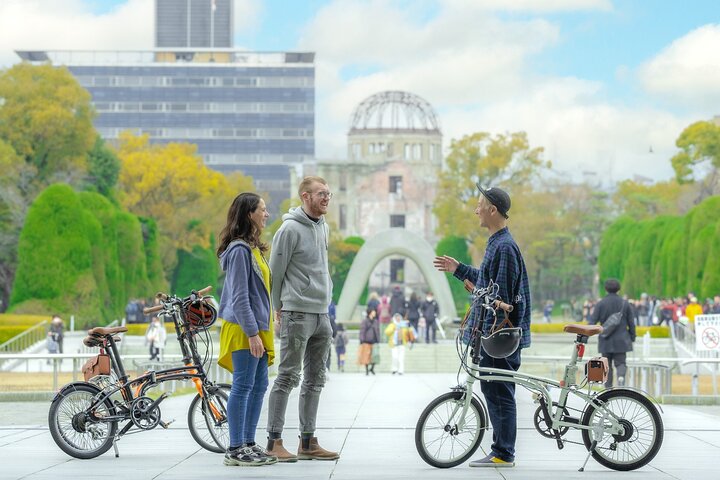
Hiroshima Peace Memorial Park
The Hiroshima Peace Memorial Park in Hiroshima, Japan, honors the victims of the atomic bombing on August 6, 1945.
Within the park are significant memorials, including the Atomic Bomb Dome, a UNESCO World Heritage site, and the Peace Memorial Museum, which educates visitors on the bombing's impact.
The park is dedicated to promoting peace and global awareness, hosting events like the annual Peace Memorial Ceremony.
It symbolizes the aspiration for a world free from nuclear weapons.
· 35 min
- 4
Hiroshima Peace Memorial Museum
Opened in 1954, the museum houses over 50 peaceful monuments and exhibits.
Personal accounts, photographs, and artifacts vividly illustrate the suffering of survivors.
The museum strongly advocates for peace and the abolition of nuclear weapons.
It serves as a powerful reminder of the necessity for global peace and the prevention of future nuclear conflicts.
Please note: From February 16 to 21, 2026, the Hiroshima Peace Memorial Museum will be closed for exhibit renovations. During this period, the Hiroshima National Peace Memorial Hall for the Atomic Bomb Victims will be visited instead. No refunds will be issued for this change.
· 1 h· Admission included
- 5
JR Nishinihon Miyajima Ferry
A round-trip ferry journey is included in this tour to facilitate travel to Miyajima Island.
· 20 min· Admission included
- 6
Miyajima
For participants who have selected the lunch option, Okonomiyaki will be served on Miyajima Island.
Hiroshima Okonomiyaki is a distinct regional version of the Japanese savory pancake. Unlike the Osaka style where ingredients are mixed, Hiroshima's version features layered components.
A batter base is cooked on a griddle, followed by layers of shredded cabbage, pork, and noodles, then topped with okonomiyaki sauce, bonito flakes, and optional mayonnaise.
It is a flavorful and satisfying dish enjoyed by many.
A vegetarian Okonomiyaki option, without pork or bonito flakes, is available upon request when booking.
Please note: Vegan, halal, or gluten-free options are not available. If you require such meals, please select the 'Without lunch' option and arrange your own food.
You may also enjoy free time on Miyajima Island while others have lunch.
· 50 min
- 7
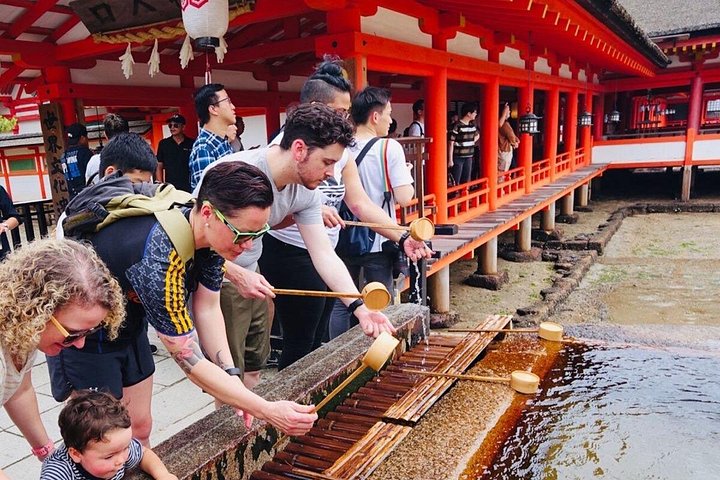
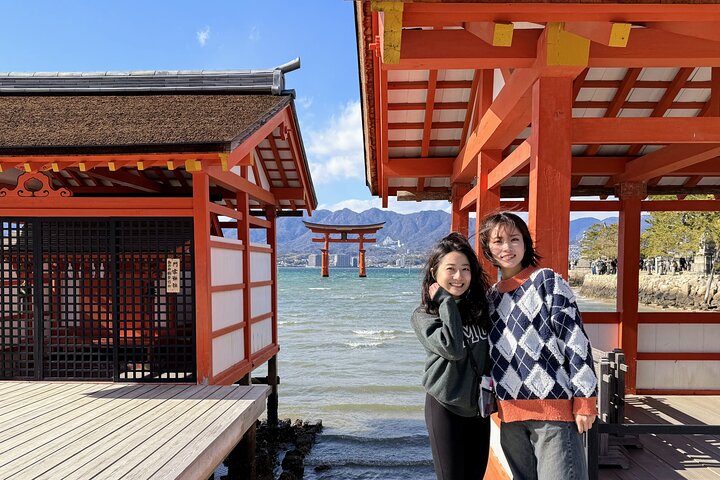
Itsukushima Shrine
This shrine was initially established in 593 AD by an emperor, with significant reconstruction occurring in 1168 by Kiyomori Taira.
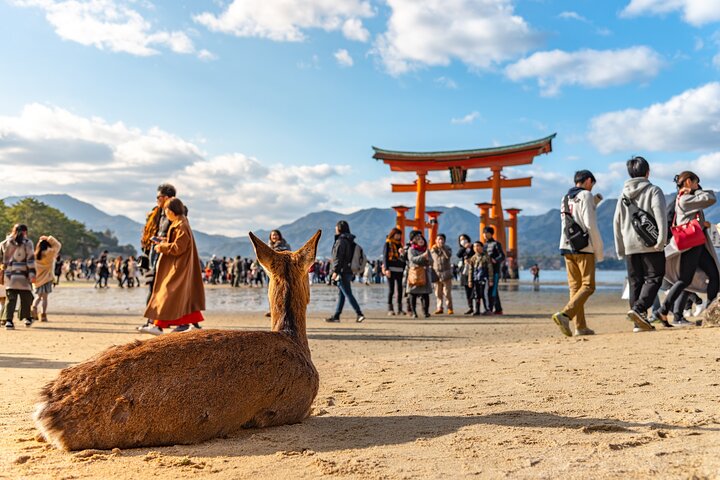
The shrine is famously built over the water, reflecting ancient beliefs that Miyajima Island was inhabited by a goddess.
Its iconic feature is the Otorii gate, which appears to stand independently in the sea.
The gate's height is comparable to the Great Buddha statue in Nara.
Its pillars measure 10 meters in diameter, and it is accessible on foot during low tide.
· 50 min· Admission included
- 8
Daishoin Temple
In addition to Itsukushima Shrine, Daishoin Temple on Miyajima Island offers numerous picturesque sights.
Discover many Jizo guardian statues adorned in colorful costumes.
You can also find a serene Buddha statue and numerous lanterns throughout the temple grounds.
· 30 min