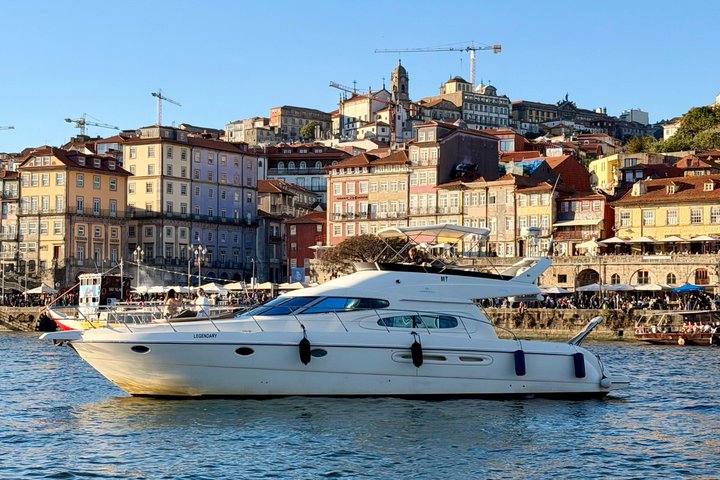
Porto: Private Yacht Cruise with Local Wine, Snacks and 6 Bridges
49 activities · Portugal
Porto, Portugal, has 49 activities, tours and experiences to book.
01Activities to book
The best experiences in Porto
 -10%
 Top pick
 Selling fast
 -10%
 Top pick
 Top pick
 Private tour
 Top pick
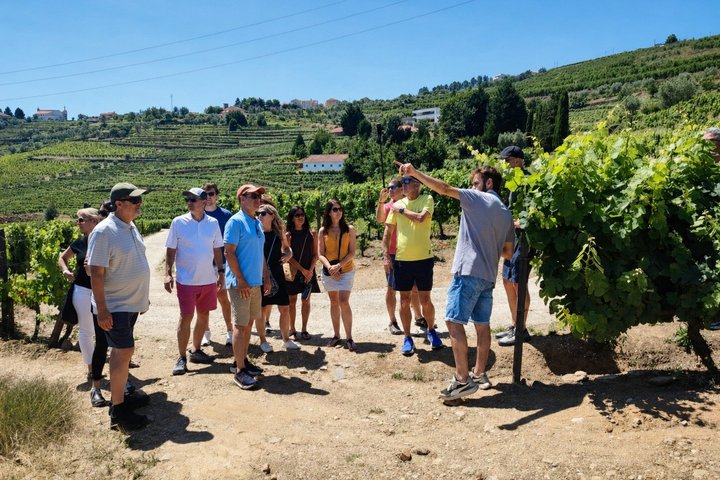 Top pick
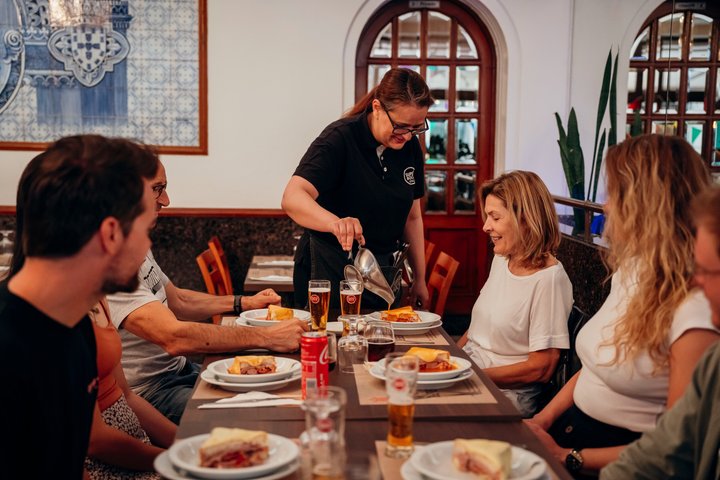 Top pick
 Top pick
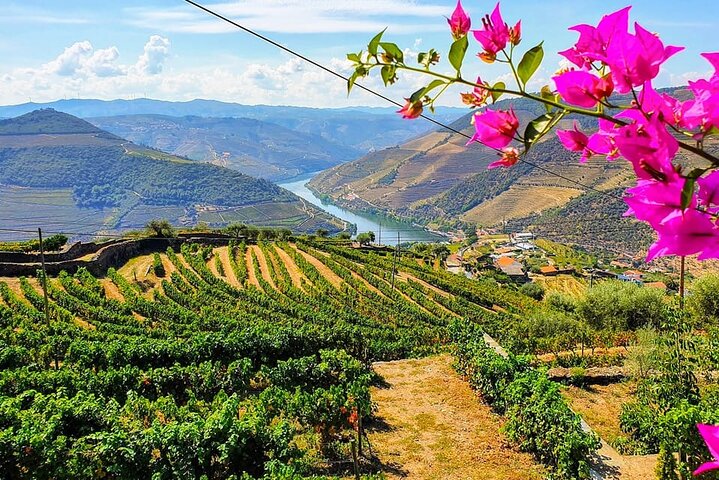 Top pick
All activities · Porto · 49
- 3-Hour Porto Highlights Electric Bike Guided Tour
- Authentic Food and Wine Tour in Porto by Food Lover Tour
- Authentic Porto Small Group Food Tour with Local Tastings
- Aveiro and Costa Nova Half Day Tour from Porto with Boat Ride
- Best of Braga and Guimaraes Day Trip from Porto
- Best of Porto Walking Tour with a Local Guide
- Braga & Guimarães Small Group Tour with Lunch & Tickets Included
- Complete Douro Valley Wine Tour with Lunch, Wine Tastings and River Cruise
- Day Trip from Porto to Santiago de Compostela and Valença
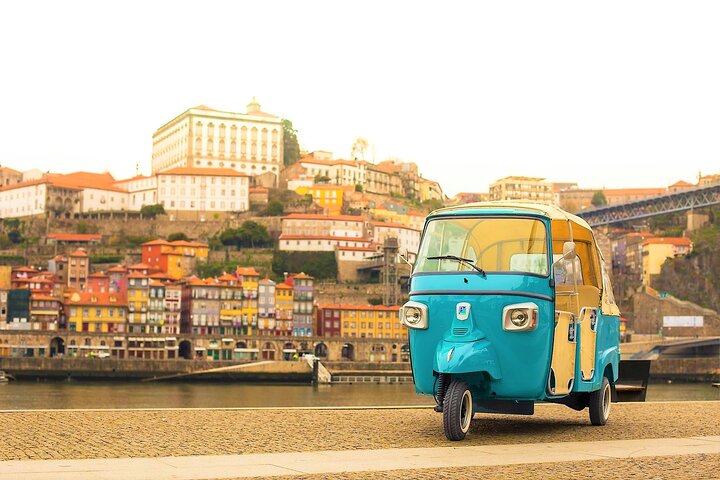
- Discover Porto & Gaia Highlights by Private Tuk Tuk (2–4H)
- Douro Valley Half-Day Winery & Lunch Tour From Porto
- Douro Valley Premium Small Group: Wine, Lunch & Private Boat
- Douro Valley Premium Small-Group Tour: Wine, Lunch & Cruise
- Douro Valley Prime Tour: Tastings, Private Boat & Lunch from Porto
- Douro Valley Small Group Premium Wine Tour with Lunch and Private Boat
- Douro Valley Small Group Tour from Porto: Wineries, Lunch & Cruise
- Douro Valley Small Group Tour: 2 Wineries, Lunch & River Cruise
- Douro Valley Small-Group Tour: Two Winery, Lunch & Boat Trip
- Douro Valley Small-Group Wine Tour with Lunch and River Cruise
- Douro Valley Small-Group Wine Tour: 2 Wineries, Cruise & Lunch
- Douro Valley Tour - 3 Wine Tastings, Lunch & River Cruise
- Douro Valley Tour: Wine Tasting, Cruise, and Lunch from Porto
- Douro Valley: Historical Sites, Wine Experience, Lunch & Cruise
- Eat Porto Like a Local: The Ultimate Full-Meal Food Tour
- From Porto: Aveiro, Paiva Walkways, Suspension Bridge and Lunch
- From Porto: Douro Tour with Wine, Cruise and Viewpoint Half-day
- Pastel de Nata Workshop in Porto City Center
- Peneda-Gerês National Park: Waterfall, Lagoon & Old Village Tour from Porto
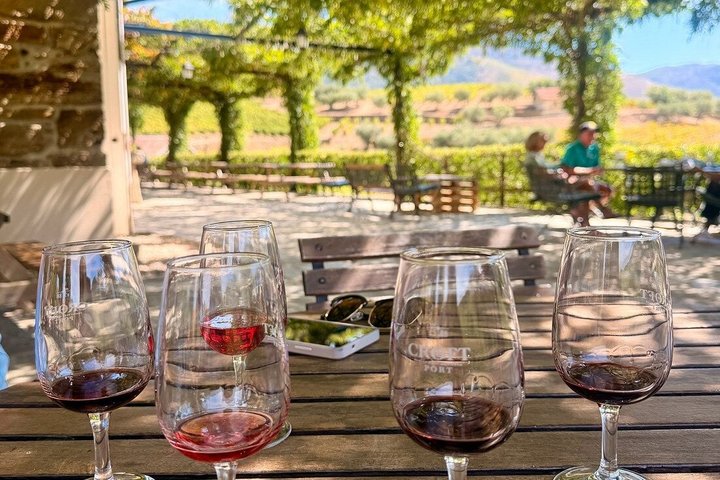
- Port Wine Lodges Tour Including 7 Port Wine Tastings (English)
- Port Wine Tour | 3 Producers | 7 Tastings | Max 12 Participants
- Porto Food and Local Drinks Evening Tour by Food Lover Tour
- Porto Guided Tour to the Historical Center on a Tuk Tuk
- Porto Progressive Dinner Tour with Food & Wine Tastings
- Porto Taylor's Port Cellars Visit and Port Wine Tasting
- Porto Walking Tour, Lello Bookshop, River Cruise, and Cable Car
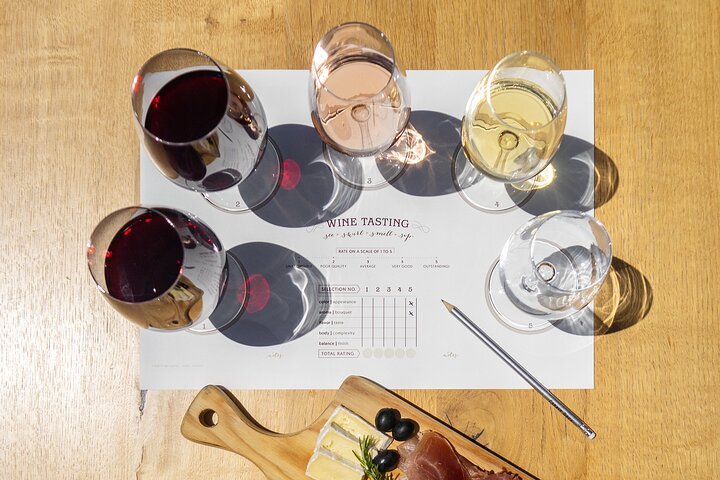
- Porto Wine Tasting Experience with Portuguese Tapas Plate
- Porto to Lisbon Up to 4 Stops: Aveiro, Nazare, Fatima & Obidos
- Porto: 7 Bridges Cruise with Local Wine & Sunset Option
- Porto: Douro River Cruise in a Small Group with Port Wine
- Porto: Douro River Cruise with Local Wine Tasting
- Porto: Douro Small Group Boat Cruise with Port Wine and Snacks
- Porto: Guimaraes & Braga Small Group Tour with Lunch and Tickets
- Porto: Luxury Yacht Cruise – 7 Bridges with Wine Tasting & Snacks
- Porto: Pastel de Nata Cooking Class with Porto Wine (Sé do Porto)
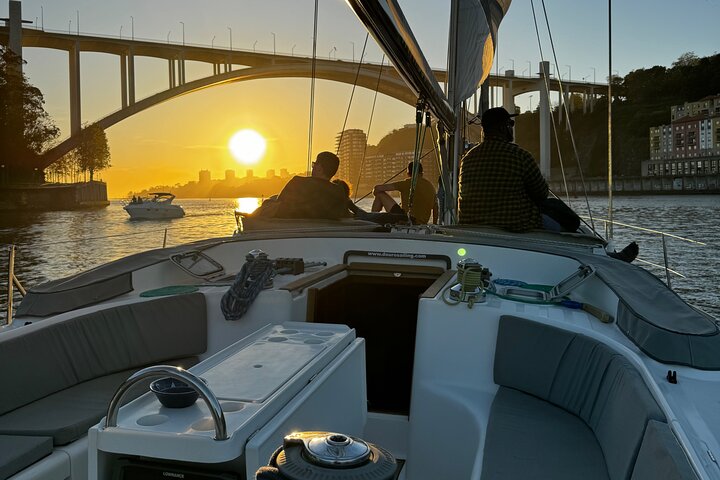
- Porto: Private Yacht Cruise with Local Wine, Snacks and 6 Bridges
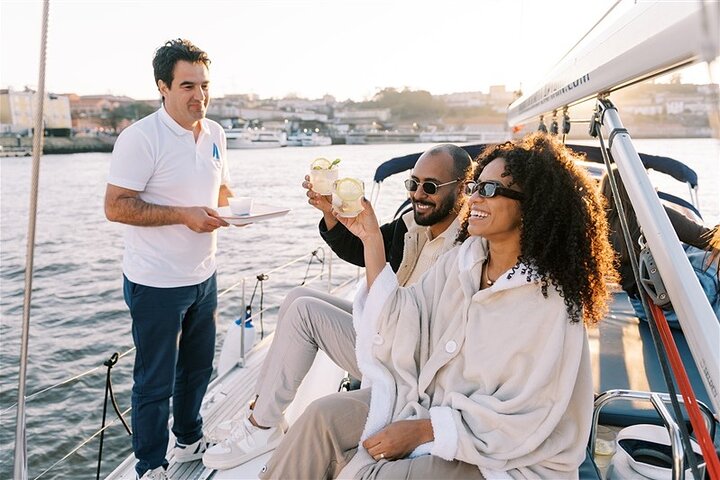
- Porto: Sunset or Daytime, Charming Sailboat Cruise on the Douro River
- Private Douro Valley Wine Tour: 2 Wine Estates, Lunch and Cruise
- Small-Group Douro Valley Tour: 3 Wineries & Winery Lunch
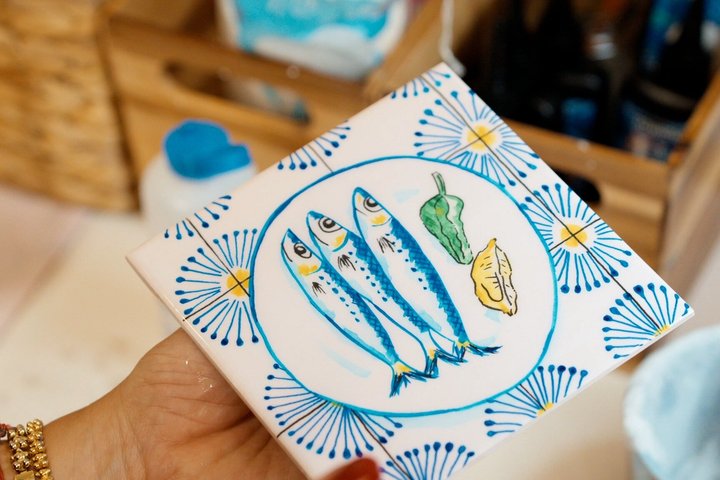
- Tile Painting and Cocktails in Downtown Porto - Cathedral
02Complete your day
More to do in Porto
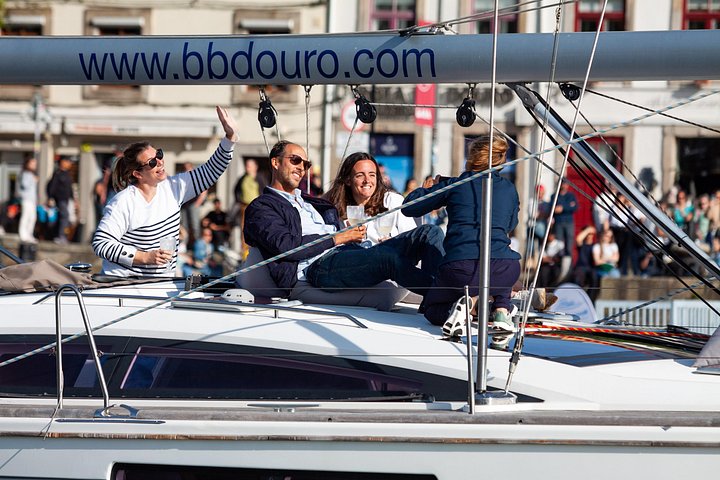 Deal
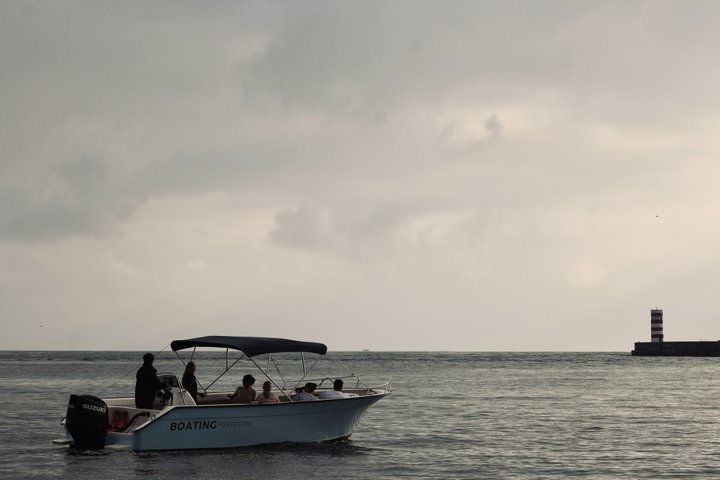 -11%
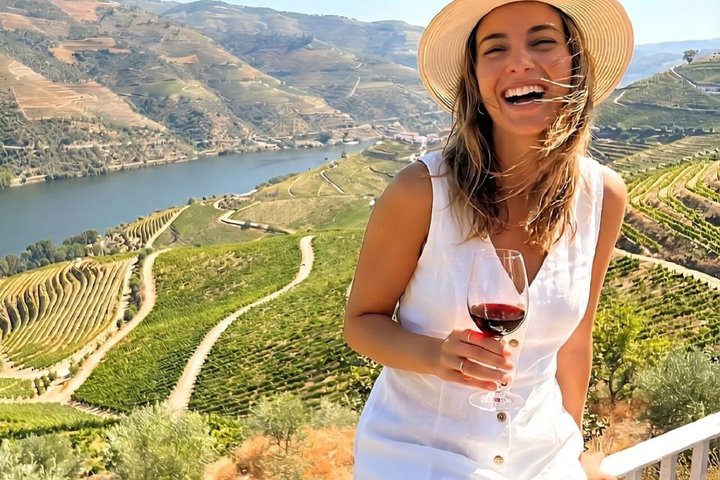 Top pick
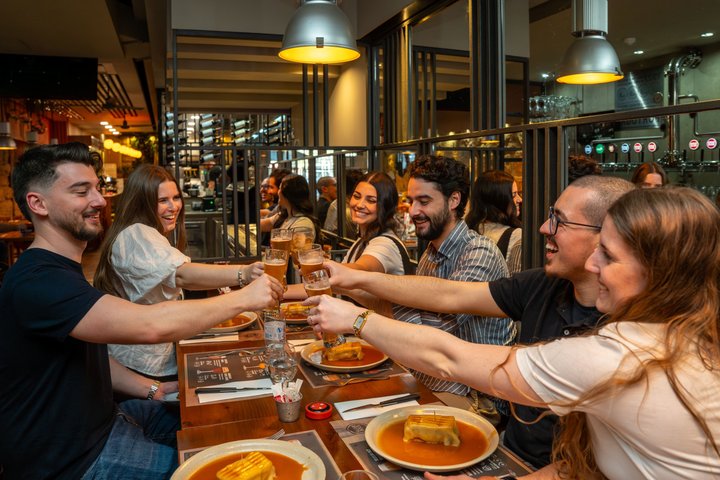 Top pick
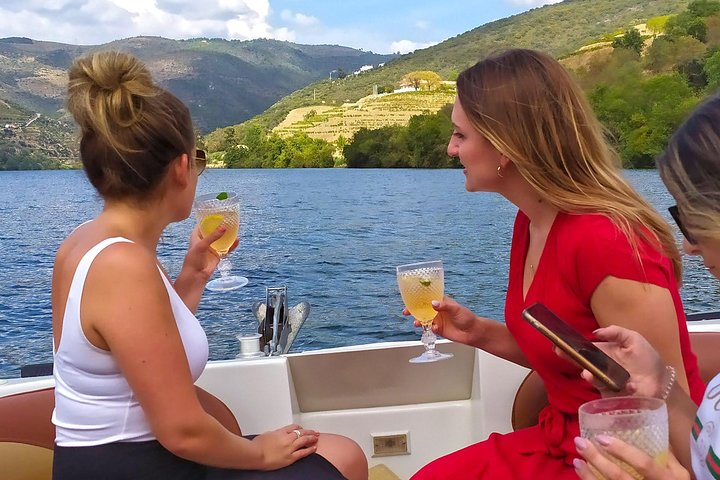 Top pick
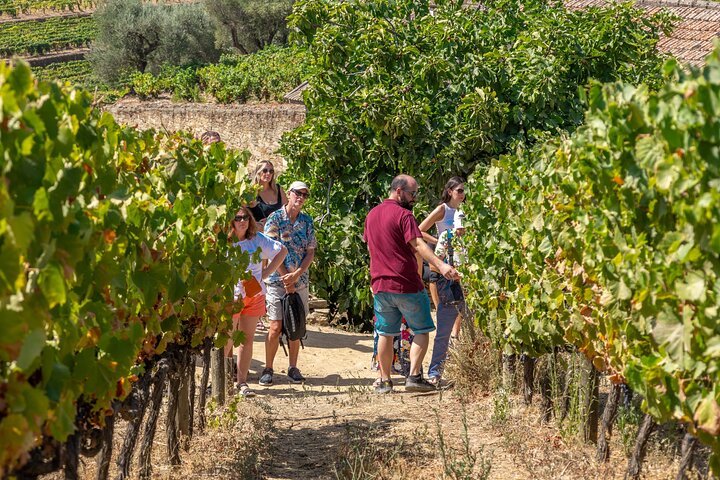 -8%
03On the water
Boats & cruises in Porto
-10%Top pick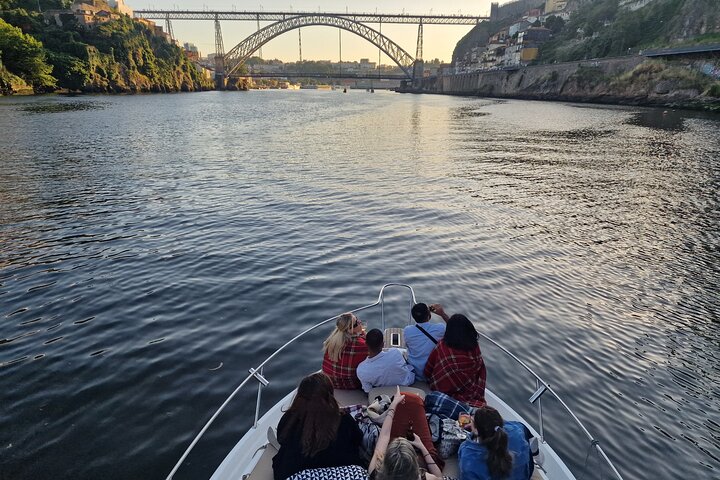 -12%Deal-11%
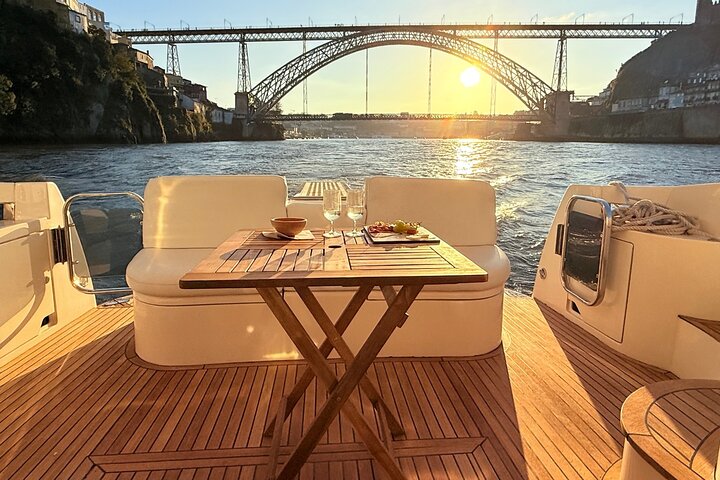 Top pick
04Categories
Guided tours in Porto
Top pickTop pickPrivate tourTop pick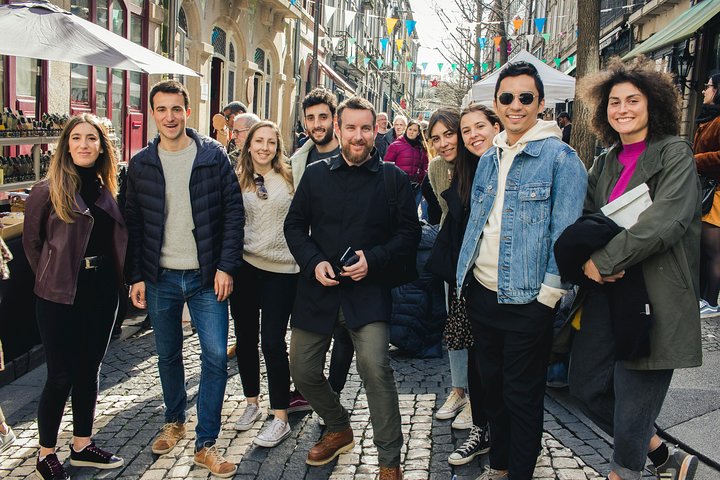 Selling fast
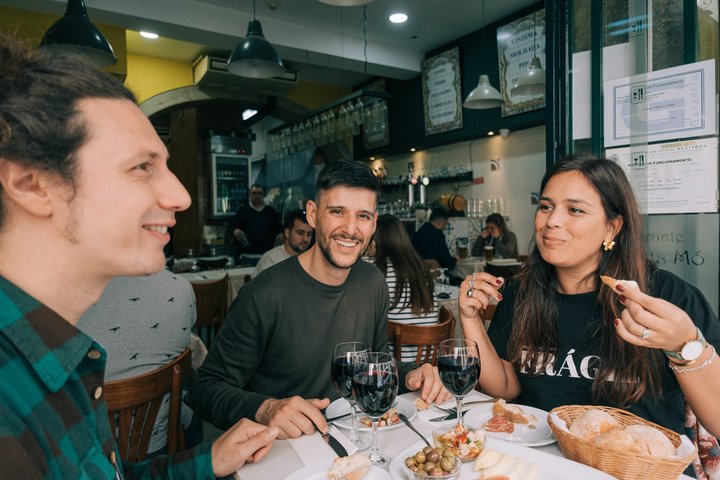 Top pick
05Categories
Food & Drink in Porto
Top pickTop pick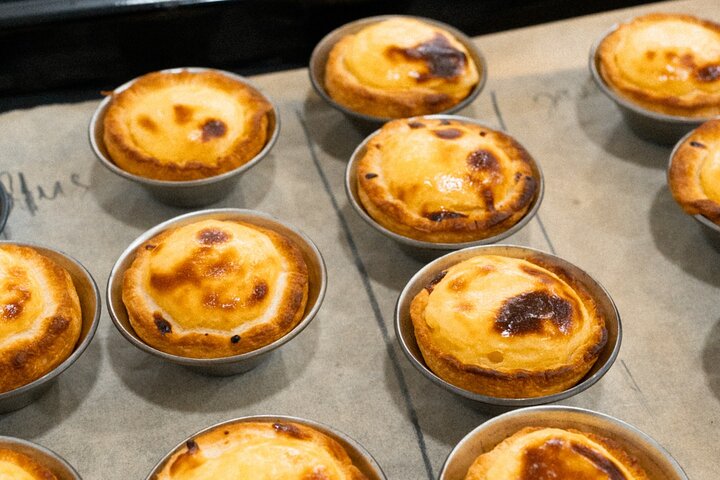 Selling fast
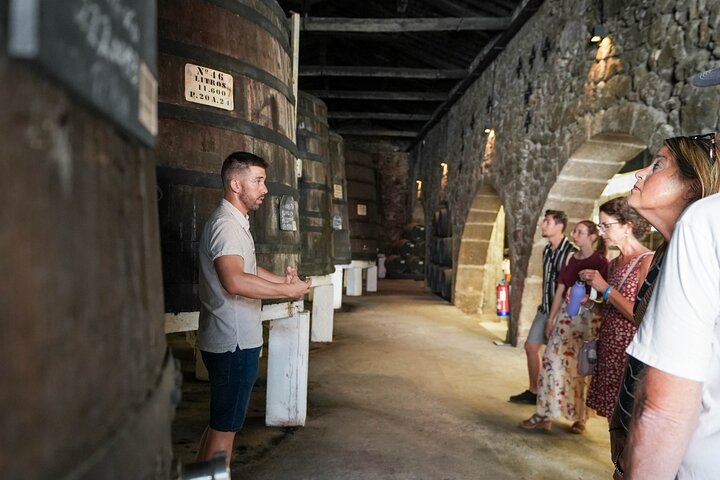 Top pick
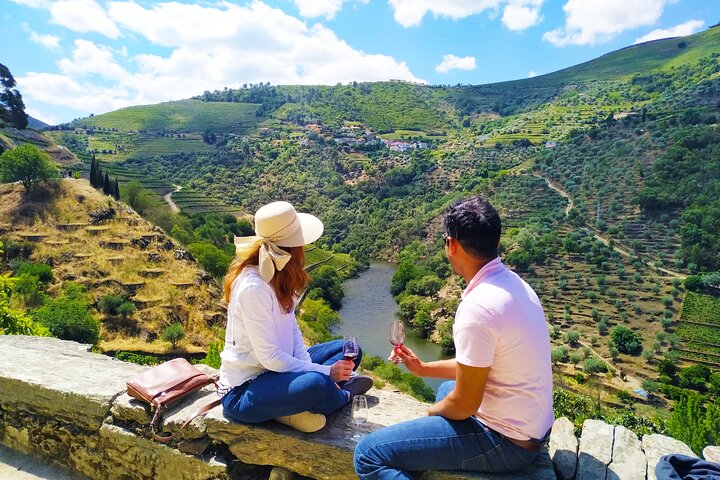 Selling fastTop pick
06Categories
Wine tours in Porto
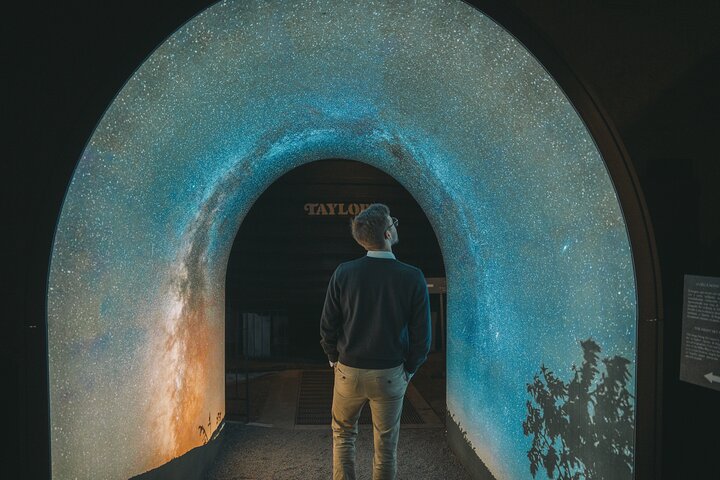 Free cancellationTop pick
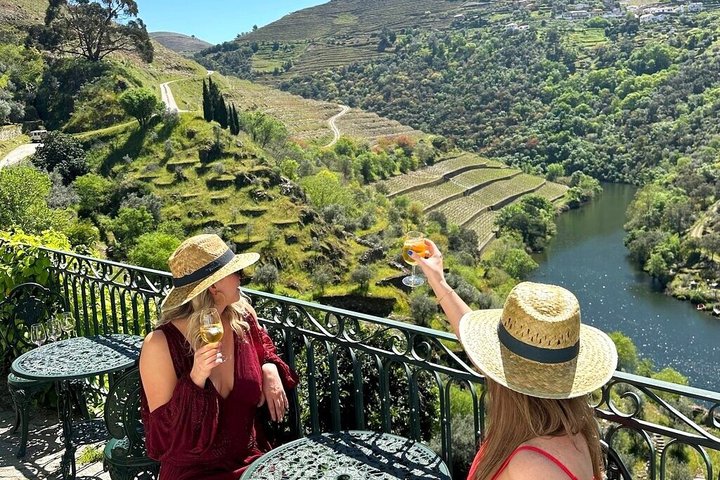 Top pick
Trending
Popular activities
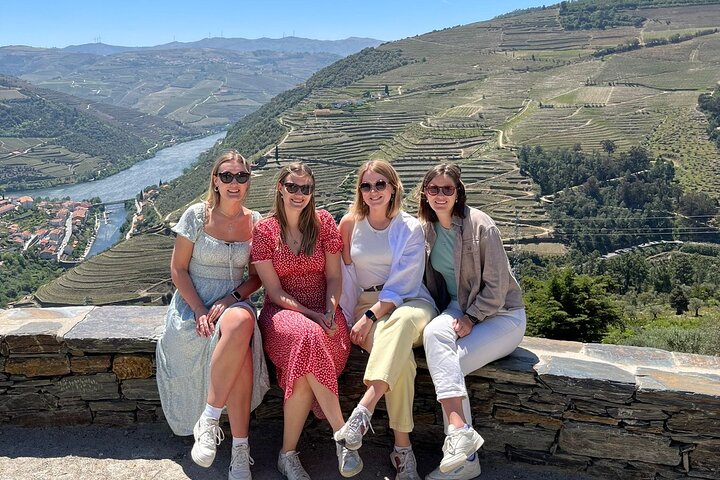 Top pick
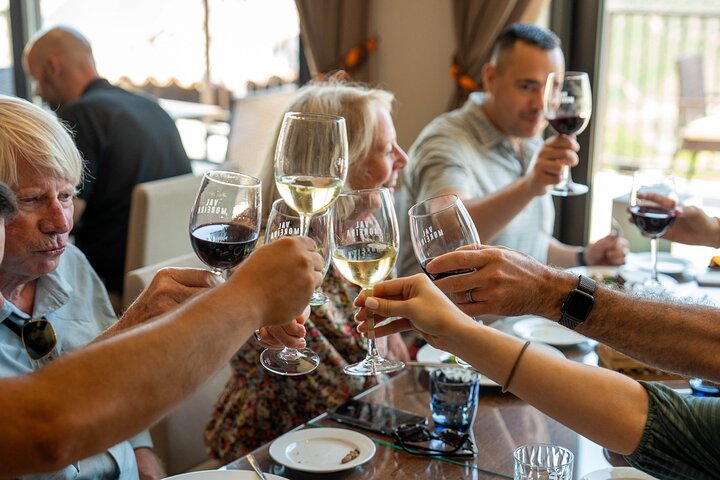 Top pick
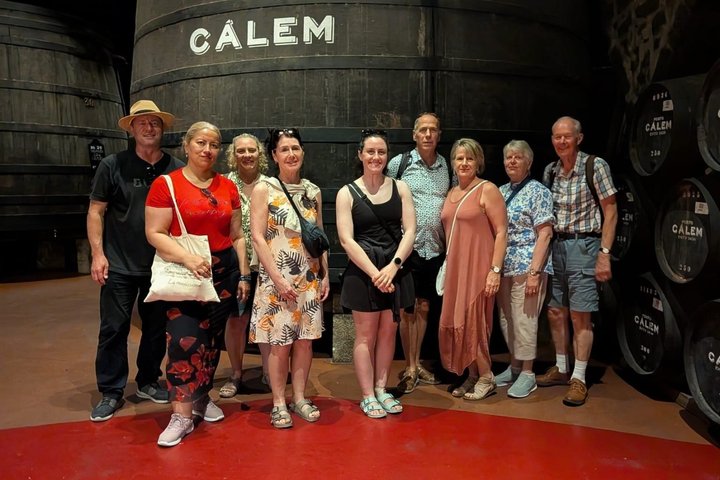 Top pick
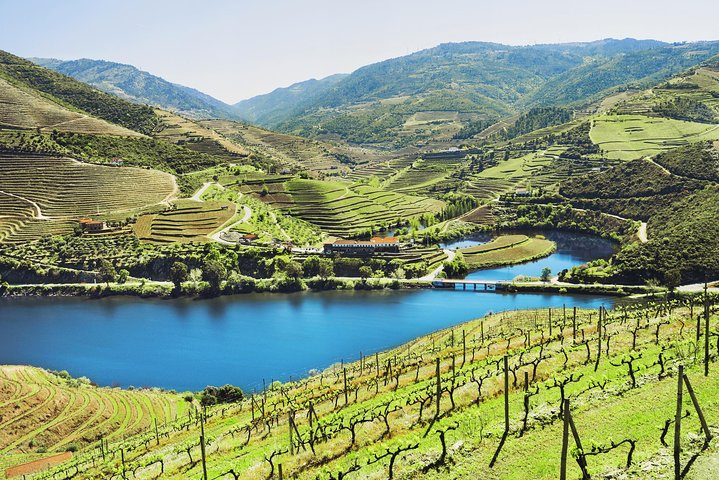 Top pick
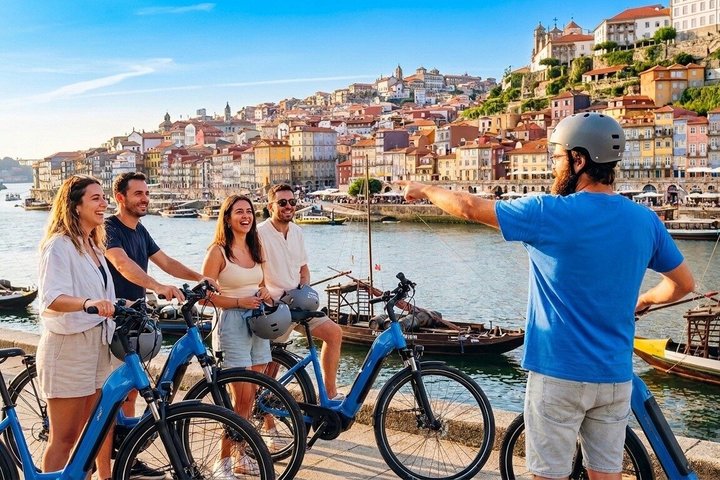 -29%
 Top pick
Plan your trip
- Guide · 7 min readPorto in One Day, by E-Bike or on FootTwo ways to see Porto in one day, compared. One takes 3 hours by e-bike, with eleven sights. The other takes 4 hours on foot, with the Lello bookshop, the cable car and a one-hour cruise on the Douro.
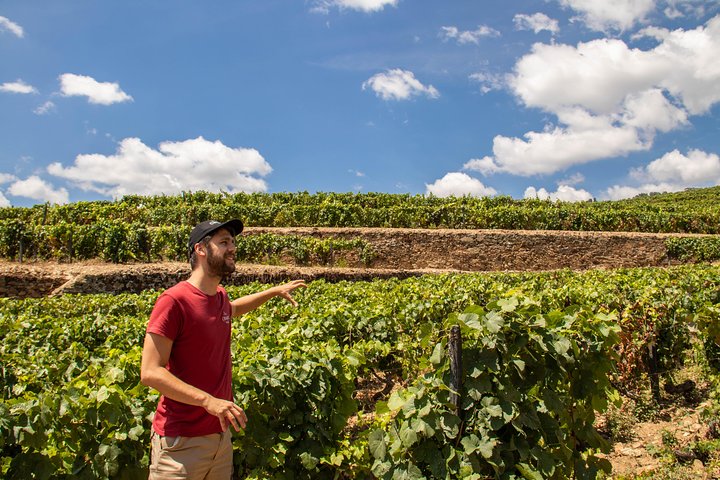 Guide · 8 min readFour Douro Valley Day Tours from PortoFour day trips to the Douro Valley from Porto, with groups of 8 to 27 people, lunch and a river cruise: what each one includes, where it starts and which to choose.
Frequently asked questions about Porto
What is there to do in Porto?
Porto has 49 activities, tours and day trips you can book online. Among the most booked: « Porto: Douro River Cruise with Local Wine Tasting », « Douro Valley Half-Day Winery & Lunch Tour From Porto », « Tile Painting and Cocktails in Downtown Porto - Cathedral ».
What are the top-rated activities in Porto?
According to traveller reviews: « Douro Valley Prime Tour: Tastings, Private Boat & Lunch from Porto » (5.0/5, 757 reviews) ; « Porto: Private Yacht Cruise with Local Wine, Snacks and 6 Bridges » (5.0/5, 631 reviews) ; « Porto: Sunset or Daytime, Charming Sailboat Cruise on the Douro River » (5.0/5, 523 reviews).
Can you cancel an activity in Porto for free?
Usually, yes: 24 of the 24 most popular activities in Porto offer free cancellation. The exact terms are shown on each activity page before you book.