Best of Private Ho Chi Minh City Shore Excursion from Cruise Port
56 activities · Vietnam
Ho Chi Minh City, Vietnam, has 56 activities, tours and experiences to book. Also worth exploring nearby: Vung Tau.
01Activities to book
The best experiences in Ho Chi Minh City
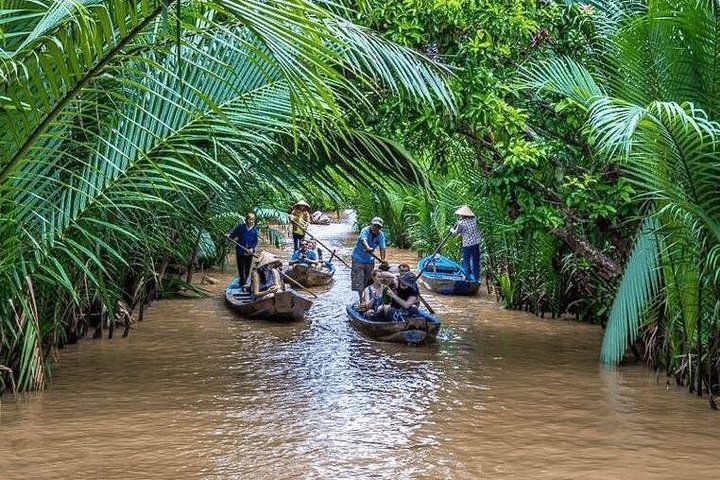 Top pick
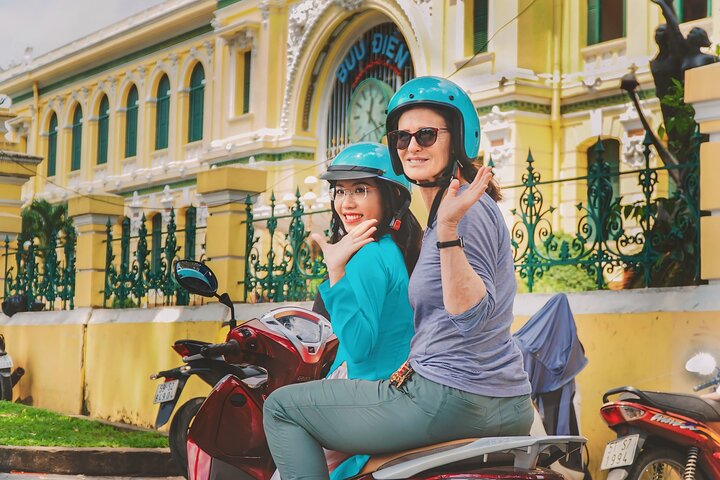 Top pick
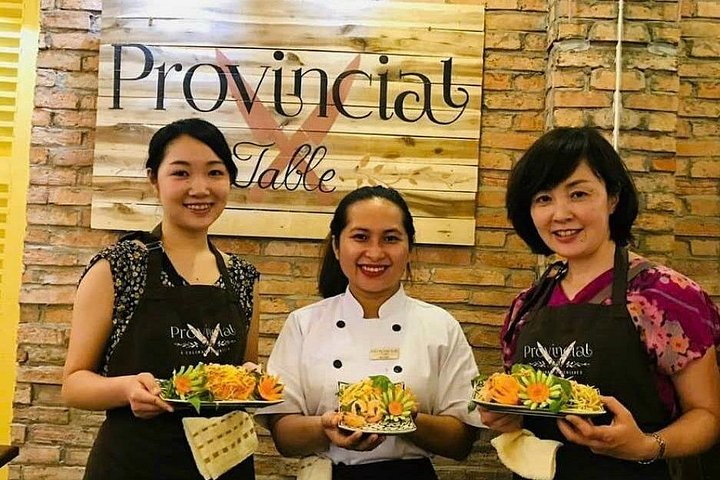 Top pick
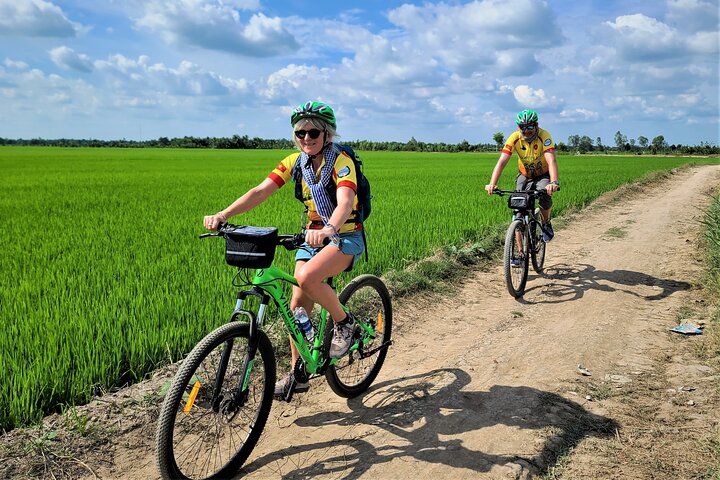 -12%
 Top pick
 Top pick
 Top pick
 Top pick
 Top pick
 Private tour
 Top pick
 Free cancellation
All activities · Ho Chi Minh City · 56
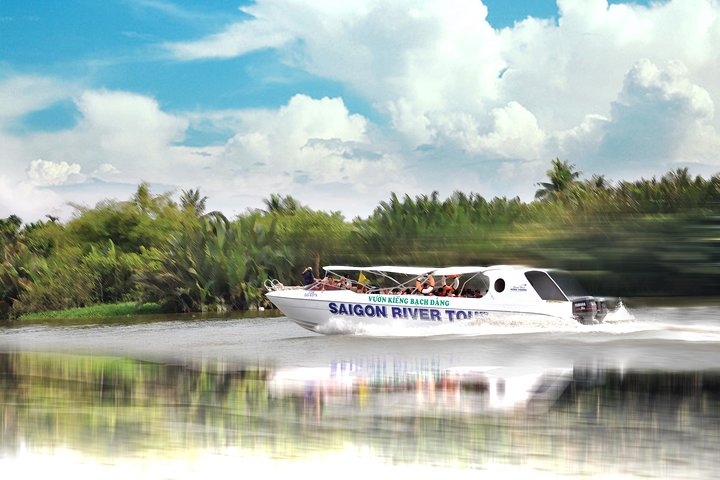
- 1 Hour Saigon River Tour in Ho Chi Minh
- Adventure Cu Chi Tunnels and Mekong Delta Tour From HCM
- Authentic 'Less-Touristy' Mekong Delta Ben Tre 1-Day Tour
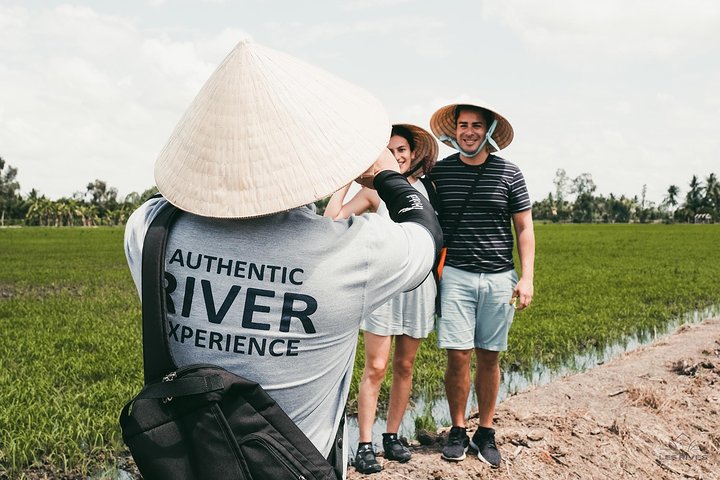
- Authentic Mekong Delta Tour With Local Experts
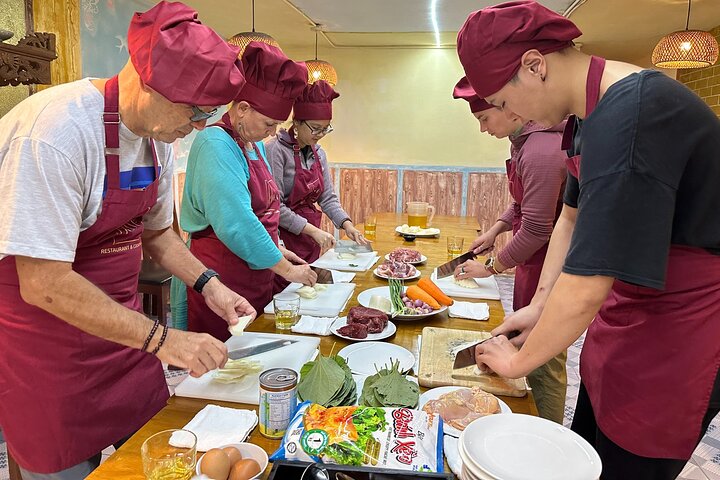
- Authentic Vietnamese Cooking Class with Market Visit in HCMc
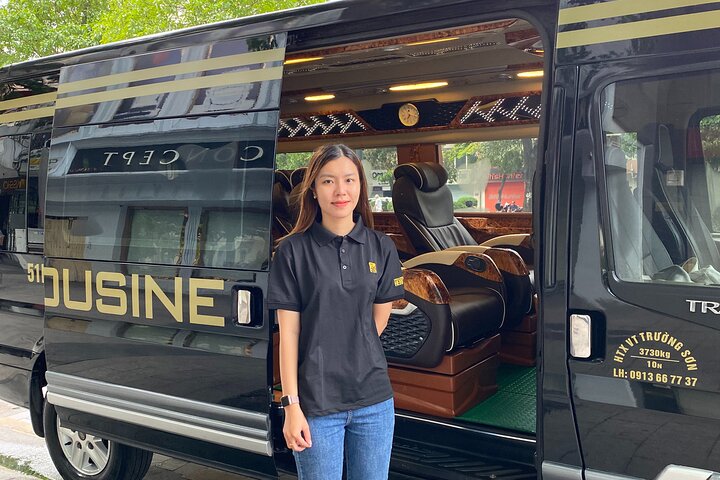
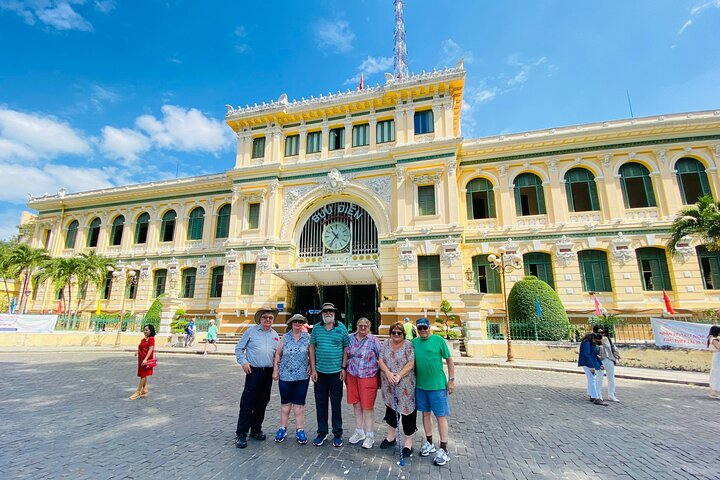
- Best of Private Ho Chi Minh City Shore Excursion from Cruise Port
- Cai Rang Floating Market & Mekong Delta 2-Day Tour from HCM City
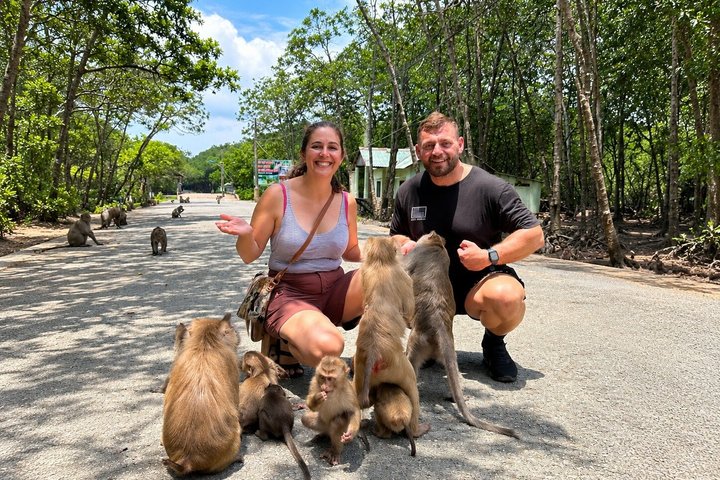
- Can Gio Trek: Monkey Island & Crocodile Farm from Ho Chi Minh City
- Cu Chi Ben Duoc Tunnels Tour (max 11 people) with Private Option
- Cu Chi Ben Duoc Tunnels: Authentic & Less Touristy (Max 10)
- Cu Chi Tunnels & Mekong Delta Tour (Boat, Tuk-Tuk, Coconut Village) - Small Group
- Cu Chi Tunnels & Mekong Delta with Coconut Village Tour
- Cu Chi Tunnels - VIP Private Tour
- Cu Chi Tunnels Guided Tour with AM/PM Departure
- Cu Chi Tunnels Half Day of Adventure
- Cu Chi Tunnels and Mekong Delta - VIP Private Tour
- Cu Chi Tunnels and Mekong Delta - VIP Tour
- Cu Chi Tunnels and Mekong Delta Day Tour from Ho Chi Minh City
- Cu Chi Tunnels and Mekong Delta Tour from Ho Chi Minh
- Cu Chi Tunnels and Mekong Delta VIP Tour by Limousine
- Explore Cu Chi Tunnels: Vietnam War History & Underground Life
- Female Rider: Ho Chi Minh City Food Tasting & Sightseeing Tour
- From Ho Chi Minh To Mui Ne Best Day Trip | Sunset Tour
- Full Day Off The Beaten Track Mekong Delta Tour
- Full-Day Tour in Mekong Delta with Pick Up in Central District 1
- Ho Chi Minh City Night Tour by Motorbike with Female Rider | KissTour
- Ho Chi Minh City Private Full-Day Tour with Lunch
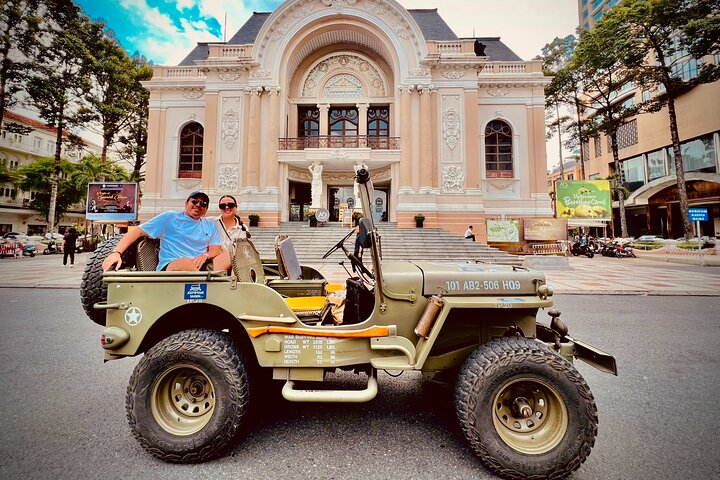
- Ho Chi Minh City Private Half-Day Tour by U.S Army Jeep
- Ho Chi Minh City: Mekong Delta Boat Trip, Coconut Candy Cooking & More
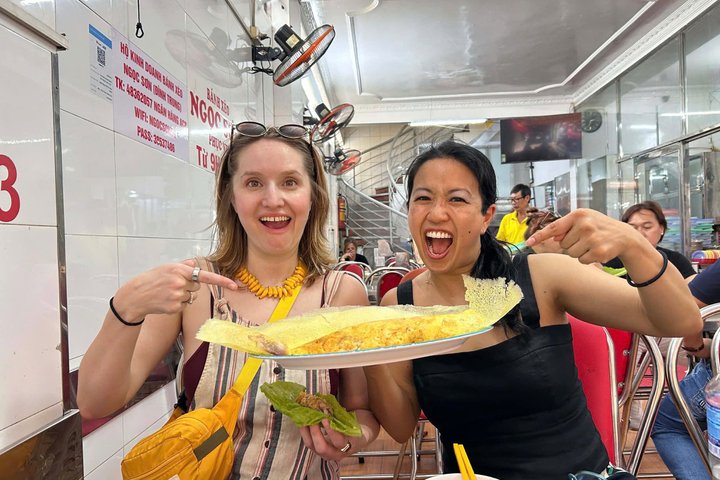
- Ho Chi Minh City: Motorbike Street Food Tour with 12 Tastings
- Ho Chi Minh Street Food Tour By Motorbike (Unique & Authentic)
- Immersive Cooking Class & Wet Market Tour by Local Chef + Cookbook
- Mekong Delta & Cai Rang Floating Market 2-Day Tour from HCMC
- Mekong Delta 2-Day Tour: Floating Markets, Biking, Amazing Tour
- Mekong Delta Full Day Trip - My Tho & Ben Tre - VIP Private Tour
- Mekong Delta Guided Tour from Ho Chi Minh City
- Mekong Delta Guided Tour with Sampan Ride & Local Lunch
- Mekong Delta Homestay 2-Day at Family Tiny Garden - Small Group
- Mekong Delta Small Group Full Day Tour
- Mekong Delta Small Group Tour with Vinh Trang Pagoda (Max 10)
- Mekong Delta Tour from Ho Chi Minh City with Sampan Journey
- Morning Cu Chi Tunnels & Tapioca - Luxury Speedboat 2-Way Trip
- Premium Cu Chi Tunnels Tour by Speedboat – Small Group Experience
- Premium Cu Chi Tunnels Tour with Local Expert
- Premium Ho Chi Minh City Motorbike Food Tour (Michelin Optional)
- Private Street Food Evening Walking Tour in Ho Chi Minh City
- Private Street Food Motorbike Tour in Ho Chi Minh City
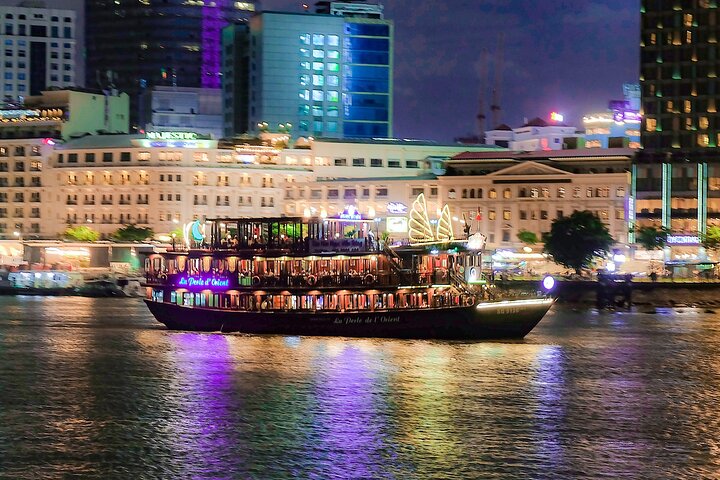
- Saigon River Dinner Cruise: Buffet, Set Menu, Fine Dining (3hrs)
- Saigon Street Food & Hidden Alleys on Motorbike – 7/9/12 Tastings
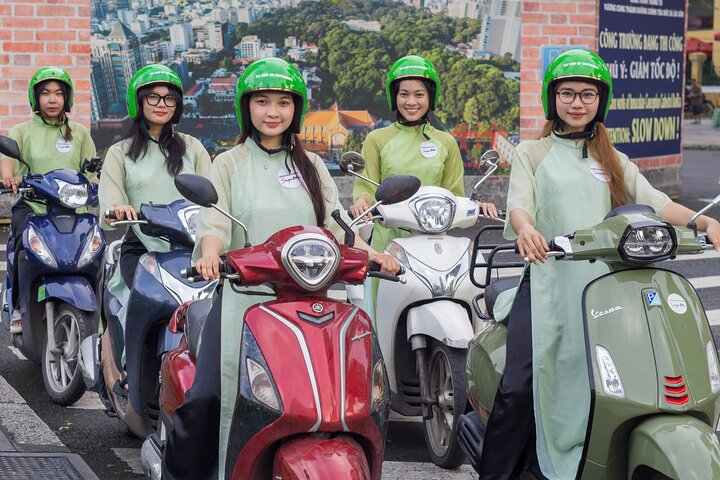
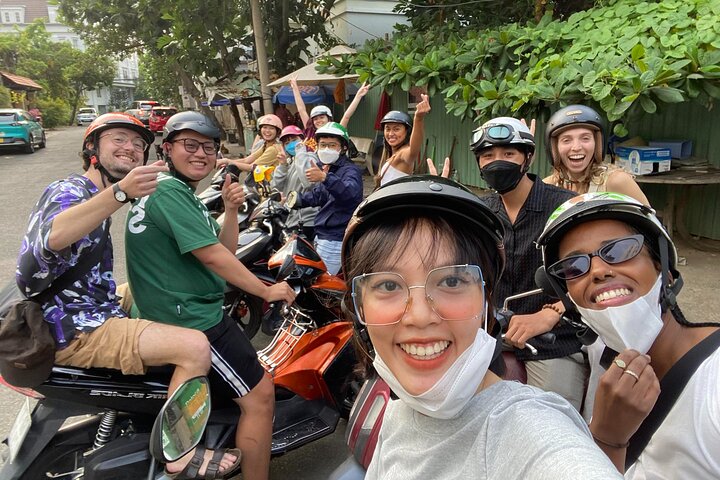
- Saigon: Premium Award-Winning Street Food Tour with Female Riders
- Small-Group Cu Chi Tunnel Half-day Tour: Morning or Afternoon
- Small-Group Mekong Delta Day Trip: Boat Ride, Cottages & Pagoda
- Small-Group Saigon City Tour: 4-Hour Must-See Iconic Landmarks
- Super Niche Walking Street Food Tour in Ho Chi Minh City
- Tay Ninh – Cao Dai & Ba Den Mountain + Optional Cu Chi Tunnels
- Top Notch Street Food Motorbike Tour In Ho Chi Minh City
02Complete your day
More to do in Ho Chi Minh City
 Top pick
 Top pick
 Top pick
 Top pick
 Top pick
 Free cancellation
03On the water
Boats & cruises in Ho Chi Minh City
 -10%
04Categories
Guided tours in Ho Chi Minh City
Top pickTop pickTop pickTop pickTop pickPrivate tour05Categories
Food & Drink in Ho Chi Minh City
Top pick Top pick
 Top pick
 Top pick
 Top pick
 Top pick
06Categories
Private tours in Ho Chi Minh City
07Categories
Food tours in Ho Chi Minh City
Top pickTop pickTop pick08Categories
Day trips in Ho Chi Minh City
-12%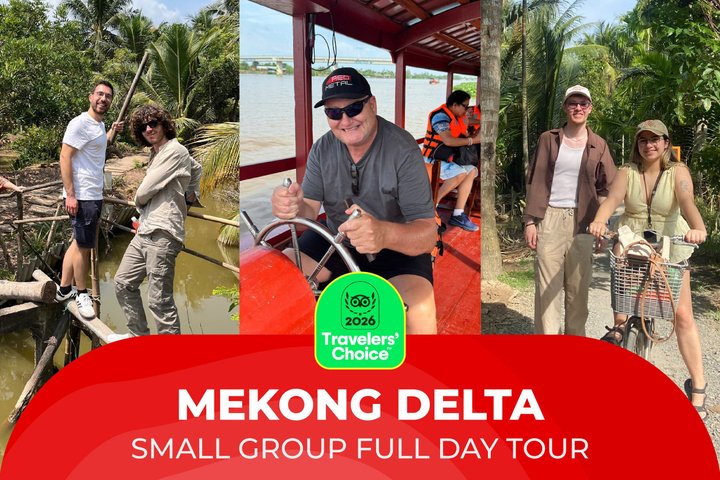 Top pick
 Top pick
09Categories
Multi-day tours in Ho Chi Minh City
Top pick Free cancellation
 Free cancellation
10Explore nearby
Nearby cities
Trending
Popular activities
 Top pick
 Top pick
 Top pick-10%
 Top pick
 Top pick
Plan your trip
- Guide · 7 min readTwo street food motorbike tours in SaigonTwo 4-hour tours to taste Saigon street food by motorbike: one offers eleven packages, from 3 to 12 tastings, with a Michelin option, while the other is limited to 12 dishes for 25 people at most.
 Guide · 8 min readFive Cu Chi and Mekong Delta Tours ComparedFive tours compared from Ho Chi Minh City: the Cu Chi tunnels alone, the Mekong Delta alone or both on the same day, from 7 to 11 hours, with small-group or limousine options.
Frequently asked questions about Ho Chi Minh City
What is there to do in Ho Chi Minh City?
Ho Chi Minh City has 56 activities, tours and day trips you can book online. Among the most booked: « Mekong Delta Small Group Tour with Vinh Trang Pagoda (Max 10) », « Saigon: Premium Award-Winning Street Food Tour with Female Riders », « Immersive Cooking Class & Wet Market Tour by Local Chef + Cookbook ».
What are the top-rated activities in Ho Chi Minh City?
According to traveller reviews: « Super Niche Walking Street Food Tour in Ho Chi Minh City » (5.0/5, 2,263 reviews) ; « Private Street Food Motorbike Tour in Ho Chi Minh City » (5.0/5, 2,449 reviews) ; « Ho Chi Minh City Night Tour by Motorbike with Female Rider | KissTour » (5.0/5, 1,308 reviews).
Can you cancel an activity in Ho Chi Minh City for free?
Usually, yes: 23 of the 24 most popular activities in Ho Chi Minh City offer free cancellation. The exact terms are shown on each activity page before you book.