Welcome Tour to Lisbon in Private Eco Tuk Tuk with a Local
82 activities · Portugal
Lisbon, Portugal, has 82 activities, tours and experiences to book. Also worth exploring nearby: Sintra, Cascais.
01Activities to book
The best experiences in Lisbon
 Top pick
 Top pick
 Deal
 Top pick
 Top pick
 Free cancellation
 -6%
 Free cancellation
 Top pick
 -10%
 -10%
 Top pick
All activities · Lisbon · 82
- 2 Hour Lisbon Sunset and Wine Sailing Tour
- 2-Hour Lisbon Traditional Boats Sunset Cruise with White Wine
- 3-Hour Lisbon 7 Hills Electric Bike Tour
- 90 Minute Amphibious Sightseeing Tour in Lisbon
- Airport Private Transfer to/from Lisbon
- Arrábida and Sesimbra Small-Group Day Trip from Lisbon with Wine Tasting
- Award-Winning Lisbon Food & Wine Tour
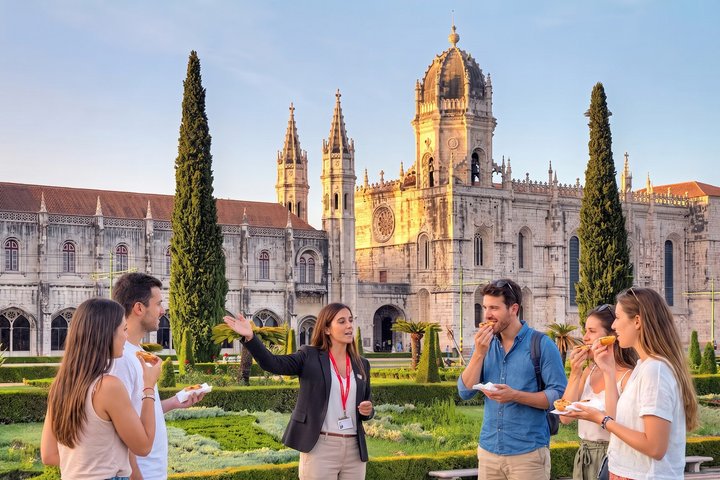
- Belém: Jerónimos Cloister + Pastel Tasting (Skip-the-Line Option)
- Best of Lisbon Private Walking Tour
- Best of Lisbon Small-Group Guided Walking Tour
- Bestseller Private Tour Sintra-Cascais with Hotel pick up
- Devour Lisbon: The Ultimate Portuguese Food Tour
- Explore Lisbon by Tuk Tuk: History and Viewpoints
- Fado in Chiado - Live Show in Lisbon on Stage for 17 Years
- Fatima, Nazare, Obidos Small Group Day Tour from Lisbon
- From Lisbon: Fátima, Nazaré, Batalha and Óbidos Guided Tour
- Fátima, Nazaré and Óbidos Small-Group Day Trip from Lisbon
- Group Tour to Sintra, Pena, Regaleira, Cabo da Roca & Cascais
- Guided Tour to Sintra, Pena, Regaleira, Cabo da Roca and Cascais
- Half-Day Sintra and Pena Palace Tour from Lisbon - Expert Guide
- Lisbon E-Bike Tour: Commerce Square, Mouraria & Alfama
- Lisbon Exclusive PRIVATE Food Tour with 6 or 10 Tastings
- Lisbon Fado Experience: Walking Tour, Dinner and Live Music Show
- Lisbon Food Tour with 10+ Tastings of Local Delicacies & Wines
- Lisbon Food Tour with Portuguese Wine: Taste the Best of Portugal
- Lisbon Highlights Private Tour with Van and Local Guide 4H
- Lisbon Highlights: Private Tuk Tuk Tour Adventure Sightseeing
- Lisbon Portuguese Cooking Class with 3-Course Dinner
- Lisbon Private 5-Hour Eco Tuk-Tuk Tour with Local Tastings
- Lisbon Private Driver: Customizable Day Trips, Sintra & Beyond
- Lisbon Private Tuk Tuk Tour and Hotel Pickup: 2, 3, or 4 Hours
- Lisbon Sailing Catamaran Public Cruise with drinks
- Lisbon Small Group 2h Sunset Sailing - Live Commentary & a Drink
- Lisbon Small-Group Food Tour with 18 Tastings in Alfama District
- Lisbon Small-Group Portuguese Food and Wine Tour
- Lisbon Sunset Sailing Tour on Luxury Sailing Yacht with 2 Drinks
- Lisbon Sunset Sailing Tour with White or Rosé Wine and Snacks
- Lisbon Sunset Sailing with Portuguese Wine and History
- Lisbon to Porto Up to 4 Stops: Obidos, Nazare, Fatima & Aveiro
- Lisbon: Award-Winning Guided Walking Food Tour with Local Drinks
- Lisbon: Customize Your Private Guided Visit by Eco Wheels Tours
- Lisbon: Dolphin Watching with a Marine Biologist - Ocean Safari
- Lisbon: LUXURY Catamaran Sunset and Wine Cruise
- Lisbon: Sintra & Cascais Small Group Tour with Pena Palace Ticket
- Lisbon: Sintra Half-Day Guided Tour with Pena Palace Tickets
- Lisbon: Sintra, Pena, Regaleira, Cabo Roca Coast and Cascais 8h
- Lisbon: Sintra, Regaleira, Pena, Cabo Roca All Tickets Included
- Lisbon: Sunset Catamaran Boat Tour with 1 Drink
- Original Food Lisbon & Cultural Tour: Alfama, Mouraria & Baixa
- Pastel de Nata Masterclass at Bakery Nat'elier in Downtown Lisbon
- Pastel de Nata Pastry Class: Bake and Enjoy Your Own Treats
- Porto, Nazaré & Óbidos Full-Day Tour from Lisbon
- Private Lisbon Sightseeing Tuk-Tuk Tour: Alfama, Belém & More
- Private Lisbon Tuk Tuk Tour | Customizable Historic Highlights
- Private Lisbon Wine Tour - Setubal, Arrabida, 3 Wineries & Lunch
- Private Tour Sintra from Lisbon Palaces of Pena and Regaleira
- Private Wine Tasting in the Setúbal Wine Region, from Lisbon
- Sailboat Tour in Lisbon with Drinks | Morning and Sunset
- Sintra & Cascais Day Tour with Pena Palace tour and Gardens Walk
- Sintra Full Day Private Tour: Including Pena Palace + Regaleira
- Sintra Half Day with Pena Palace and Regaleira from Lisbon
- Sintra Half-Day Private Tour: Including Pena Palace
- Sintra Private Trip from Lisbon Customizable Dreamlike Experience
- Sintra Tour with Pena Palace and Regaleira: All Tickets Included
- Sintra and Cascais Private Tour with Pena Palace Ticket Included
- Sintra and Cascais Small-Group Day Trip from Lisbon
- Sintra to Cascais: 2 Palaces, 7 Sites, Small Group 10 Hour Tour
- Sintra, Cascais & Pena Palace Small Group Tour from Lisbon
- Sintra, Pena Palace and Quinta da Regaleira from Lisbon
- Sintra, Pena Palace, Quinta da Regaleira & Cascais Group Tour
- Sintra, Pena Palace, Regaleira, Roca, Cascais, Small-group tour
- Sintra, Pena, Regaleira, Roca & Cascais Guided Tour from Lisbon
- Sintra, Pena, Regaleira, Roca & Cascais Tour with Pick up
- Skip the Line Ticket for St. George's Castle in Lisbon
- Small Group Tour to Sintra, Pena Palace, Cabo Roca and Cascais
- Small-Group Half Day Tour to Fátima & Shepherds Village
- Small-Group Sintra, Pena, Regaleira & Cascais with Tickets
- Small-Group Templar Tour: Tomar & Almourol from Lisbon
- The Famous Lisbon Foodie Walk: 18 Local Tastings & Wines
- Traditional Portuguese Cooking Class in Lisbon
- True 4Hour Private Tuk Tuk Tour: Discover Lisbon with a Local!
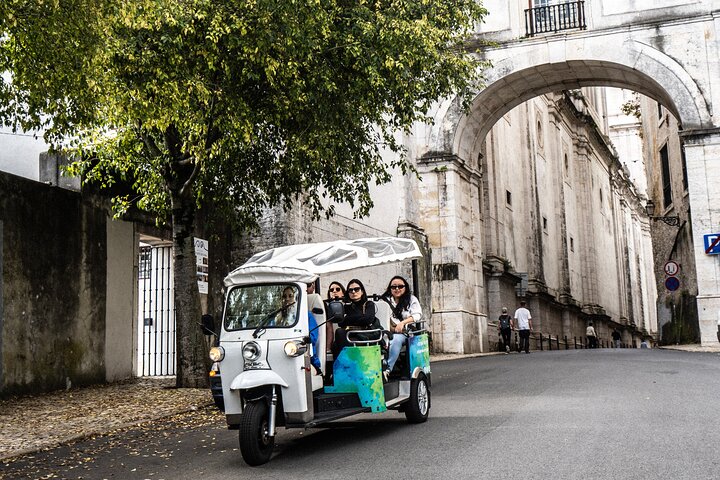
- Welcome Tour to Lisbon in Private Eco Tuk Tuk with a Local
02Complete your day
More to do in Lisbon
 -8%
 Top pick
 Top pick
 Top pick
 -14%
 Skip the line
03Shows & Nightlife
Your nights out in Lisbon
 Skip the line
04On the water
Boats & cruises in Lisbon
Top pickTop pick Free cancellation
 Selling fast
 Top pick
 Free cancellation
05Categories
Guided tours in Lisbon
DealTop pick-6%-10%-10%Top pick06Categories
Private tours in Lisbon
 Top pick
 Top pick
 Top pick-14%
 Top pick
 Private tour
07Categories
Food & Drink in Lisbon
Top pickTop pick Top pick
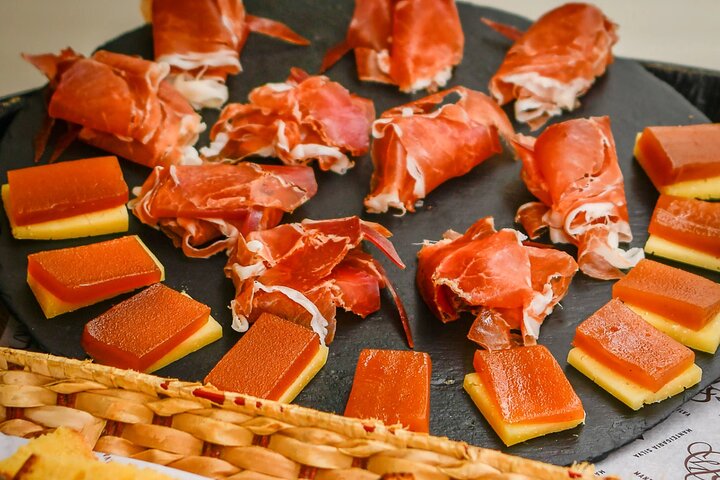 Top pick
 Top pick
 -7%
08Categories
Culture & History in Lisbon
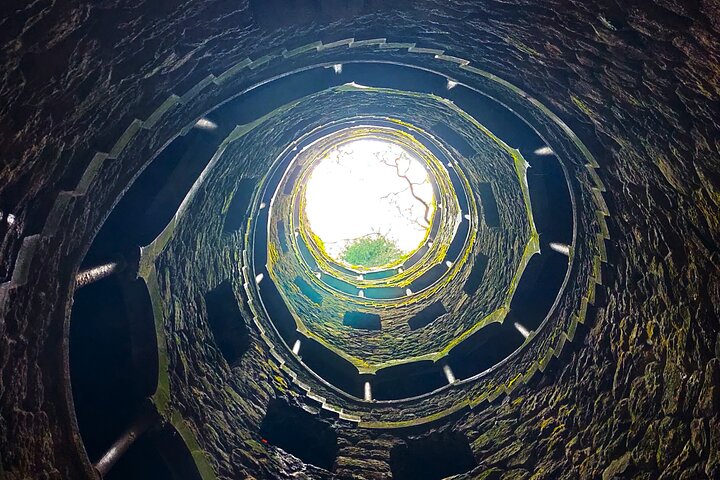 Top pickSkip the line
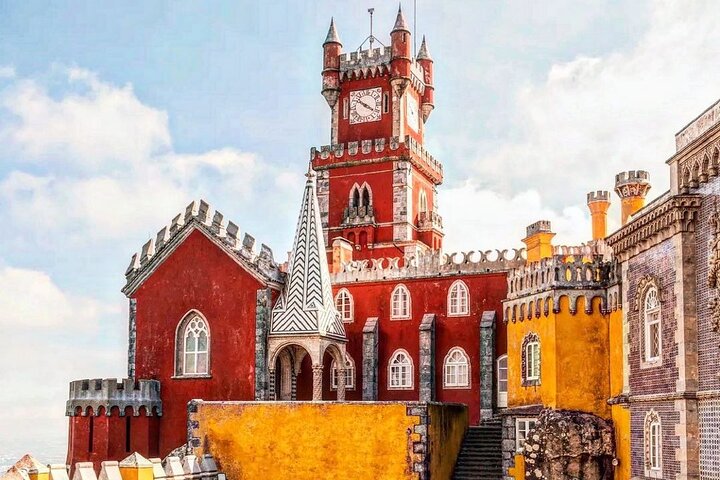 Top pick
 Top pick
 Free cancellation
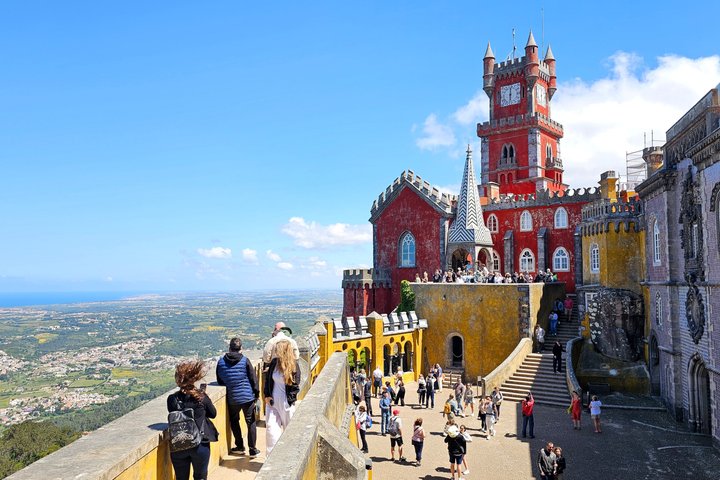 -10%
09Categories
Wine tours in Lisbon

10Categories
Romantic moments in Lisbon
Free cancellationSelling fastTop pickFree cancellation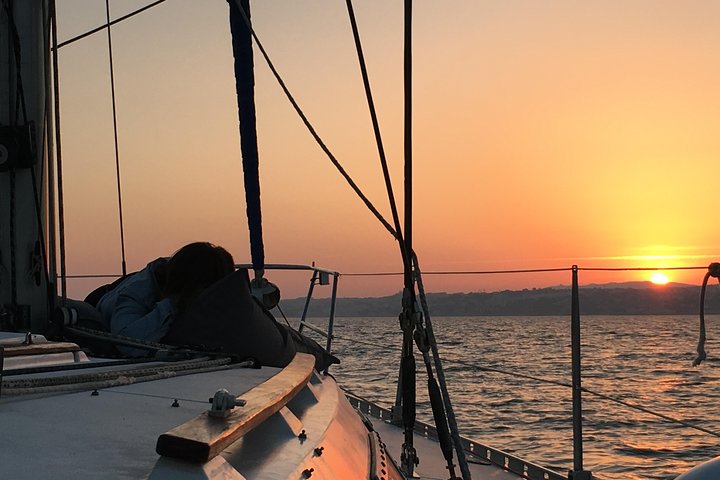 Free cancellation
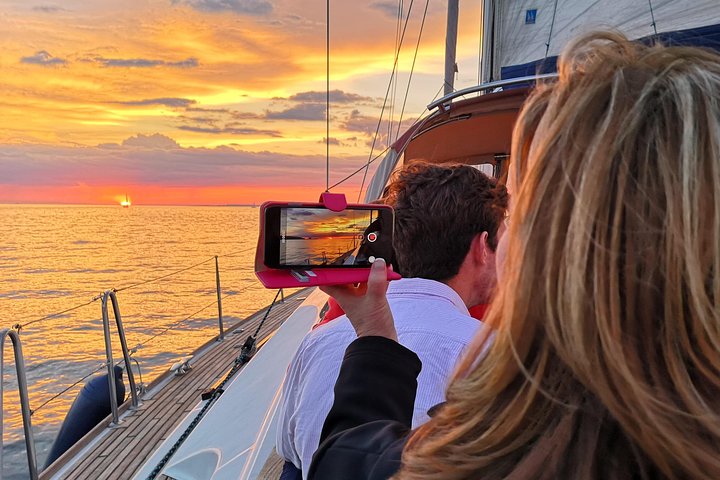 Top pick
11Categories
Food tours in Lisbon
Top pick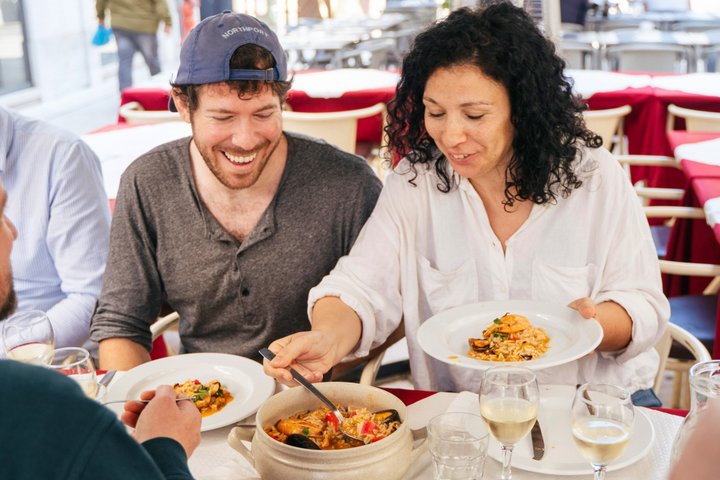 -10%
 Private tour
12Categories
Day trips in Lisbon
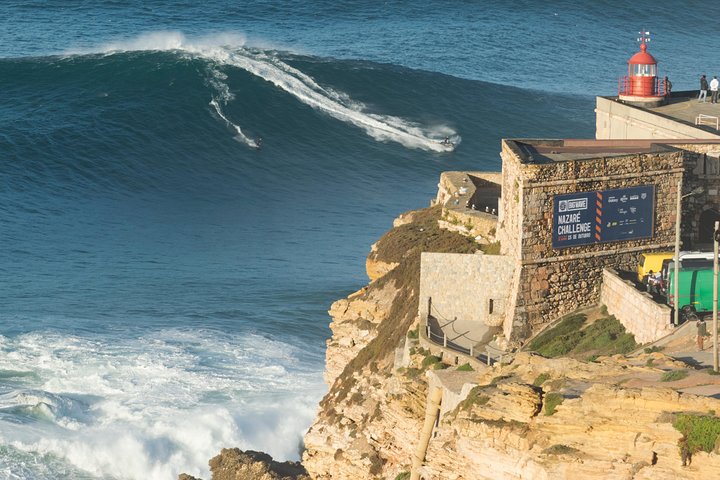
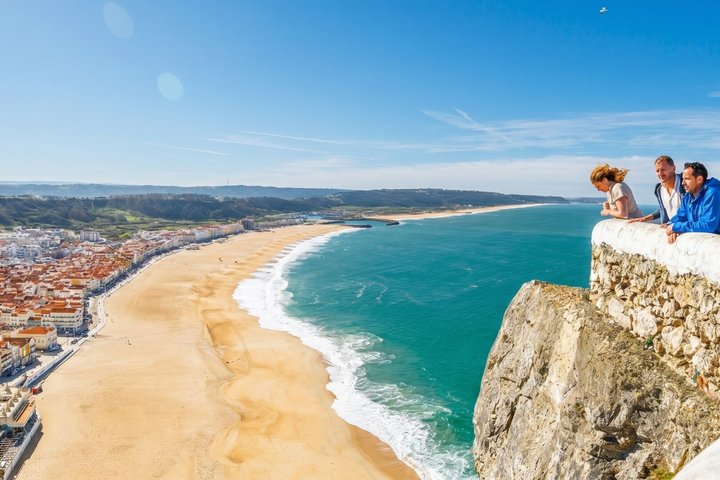

13Explore nearby
Nearby cities
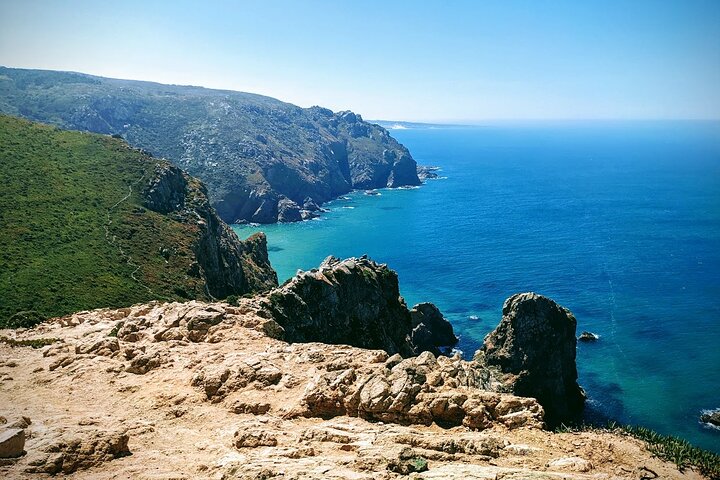
Trending
Popular activities
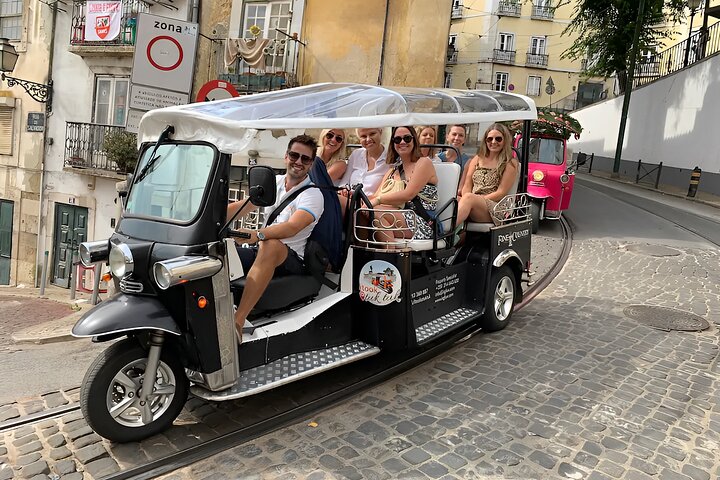 Top pick
 Top pick
 Top pick
 Top pickTop pick
 -15%
Plan your trip
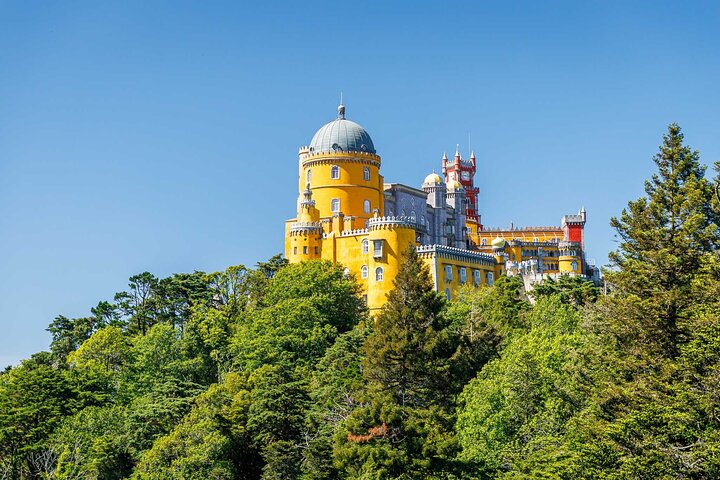 Guide · 8 min readSintra, Cascais or Porto from LisbonThree day trips from Lisbon, two of them in small groups to Sintra, Cabo da Roca and Cascais: what each one includes, what it leaves for you to pay and who it suits.
- Guide · 8 min readLisbon by Tuk-Tuk or on Foot: Four ToursThree private electric tuk-tuk tours, from 1 to 8 hours, and a small-group walking tour: here is what each one includes, its rules for children and the traveler it suits.
Frequently asked questions about Lisbon
What is there to do in Lisbon?
Lisbon has 82 activities, tours and day trips you can book online. Among the most booked: « Lisbon: LUXURY Catamaran Sunset and Wine Cruise », « Traditional Portuguese Cooking Class in Lisbon », « Small-Group Half Day Tour to Fátima & Shepherds Village ».
What are the top-rated activities in Lisbon?
According to traveller reviews: « Sintra and Cascais Private Tour with Pena Palace Ticket Included » (5.0/5, 373 reviews) ; « Lisbon: LUXURY Catamaran Sunset and Wine Cruise » (5.0/5, 411 reviews) ; « Bestseller Private Tour Sintra-Cascais with Hotel pick up » (5.0/5, 461 reviews).
Can you cancel an activity in Lisbon for free?
Usually, yes: 24 of the 24 most popular activities in Lisbon offer free cancellation. The exact terms are shown on each activity page before you book.
What is there to visit near Lisbon?
Close to Lisbon: Sintra, Cascais.