Valencia Complete Tour by Tuk Tuk
12 activities · Spain
Valencia, Spain, has 12 activities, tours and experiences to book.
01Activities to book
The best experiences in Valencia
 -10%
 Selling fast
 Selling fast
 Top pick
 Top pick
 Top pick
 Free cancellation
 Selling fast
 Top pick
 Top pick
 Top pick
 Top pick
All activities · Valencia · 12
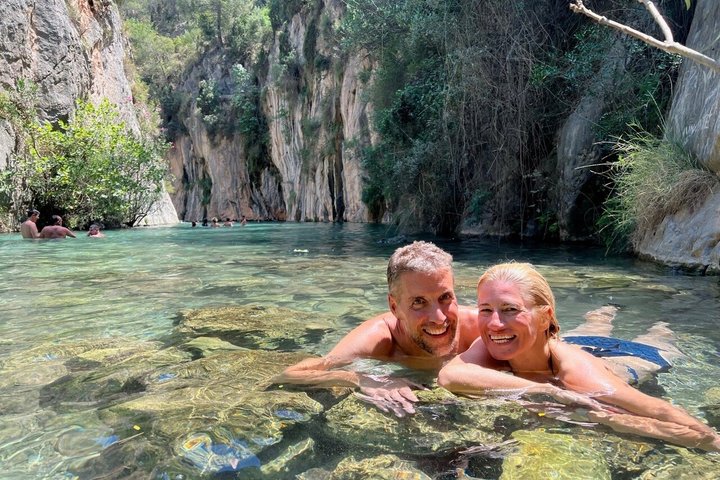
- Adventures Day: Thermal Springs, Waterfalls, Private Guesthouse
- Albufera Natural Park Tour from Valencia: Boat Ride & Local Guide
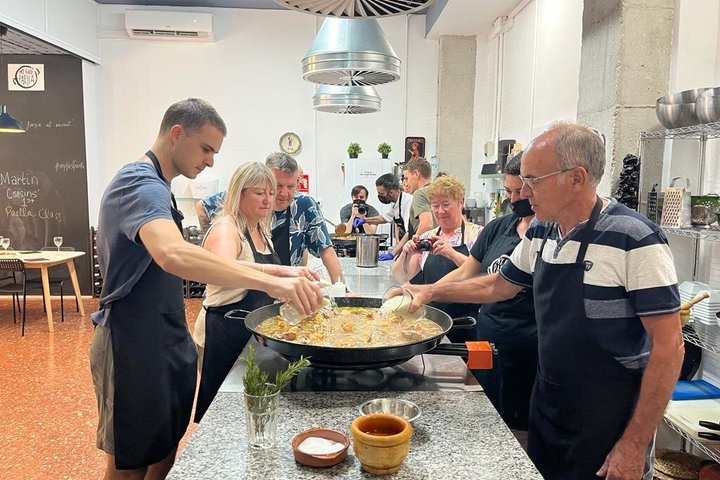
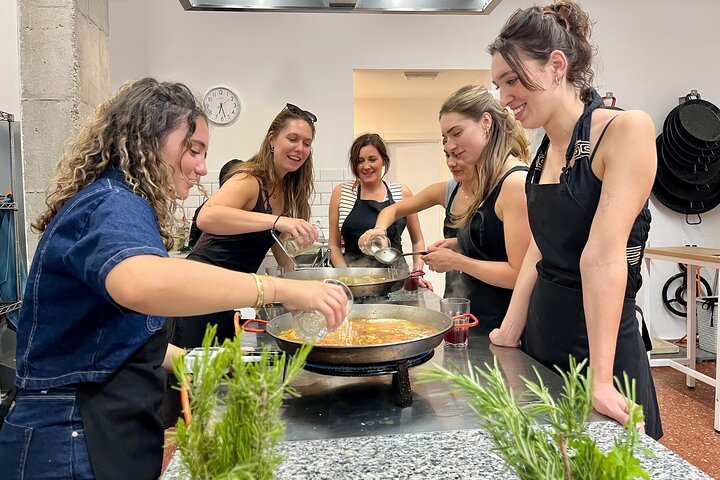
- Authentic Paella Cooking Class with Market Visit and Sangría Workshop in Valencia
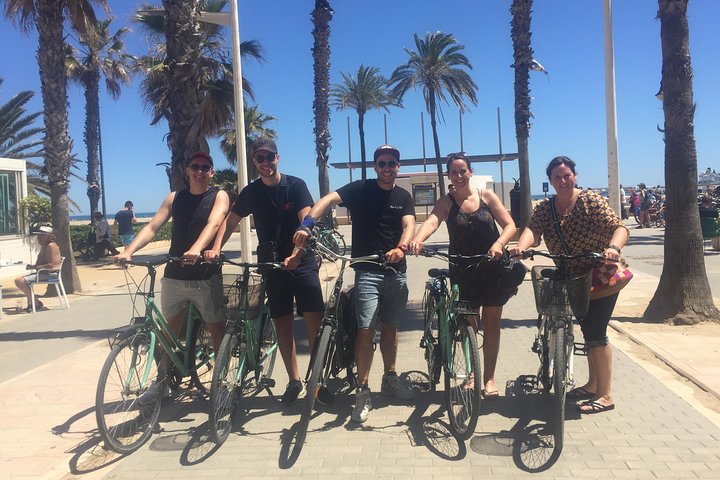
- Fun City to Beach Bike Tour with BikeGuyVLC Tips App
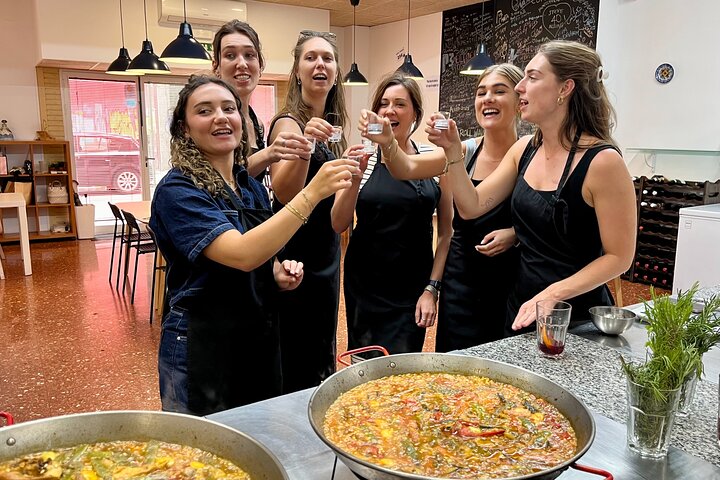
- Paella Cooking Class, Wine Tasting & Central Market in Valencia
- Paella Cooking Class: Sangria Workshop, Tapas & Wine – Evening
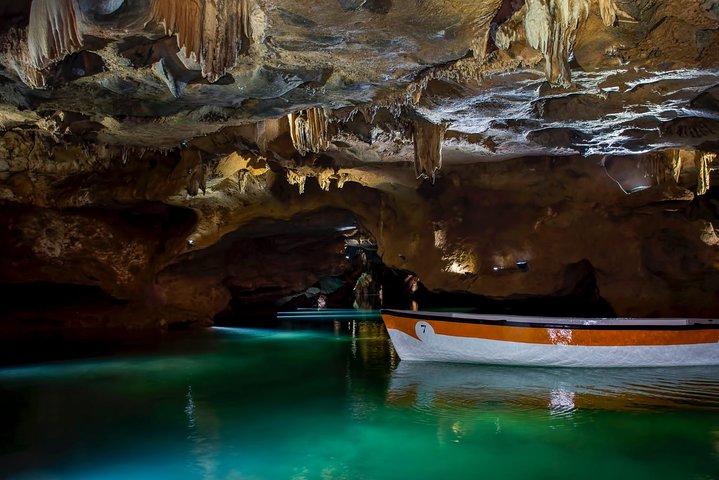
- San Jose Caves Guided Tour from Valencia with Local Guide
- Seafood Paella Cooking Class, Sangria Workshop & Local Market Visit
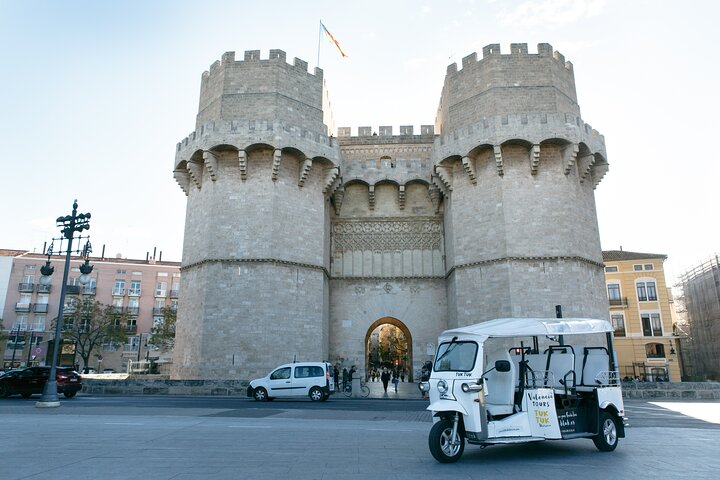
- Valencia Complete Tour by Tuk Tuk
- Valencia Old Town Tour with Wine & Tapas in 11th Century Historic Monument
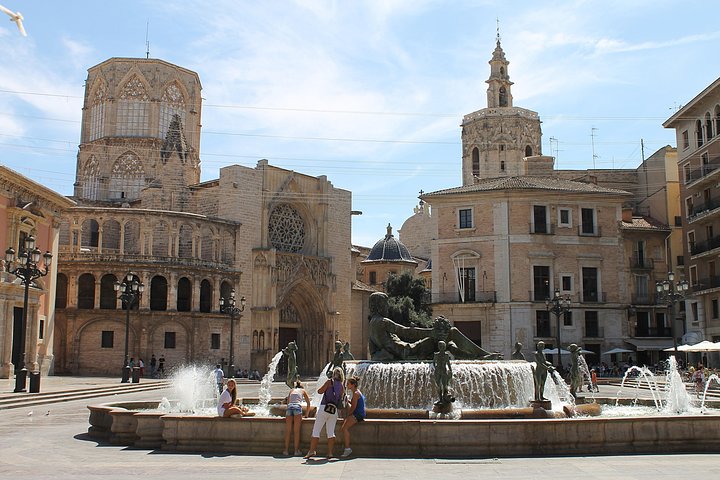
- Valencia: Cathedral, St. Nicholas & Silk Exchange Tour + Tickets
- Valencian Paella Workshop and Algiros Market Visit
02Categories
Workshops & classes in Valencia
03Categories
Guided tours in Valencia
Frequently asked questions about Valencia
What is there to do in Valencia?
Valencia has 12 activities, tours and day trips you can book online. Among the most booked: « Valencian Paella Workshop and Algiros Market Visit », « Albufera Natural Park Tour from Valencia: Boat Ride & Local Guide », « Valencia: Cathedral, St. Nicholas & Silk Exchange Tour + Tickets ».
What are the top-rated activities in Valencia?
According to traveller reviews: « Paella Cooking Class, Wine Tasting & Central Market in Valencia » (5.0/5, 2,202 reviews) ; « Authentic Paella Cooking Class with Market Visit and Sangría Workshop in Valencia » (5.0/5, 1,658 reviews) ; « Paella Cooking Class: Sangria Workshop, Tapas & Wine – Evening » (5.0/5, 435 reviews).
Can you cancel an activity in Valencia for free?
Usually, yes: 12 of the 12 most popular activities in Valencia offer free cancellation. The exact terms are shown on each activity page before you book.